
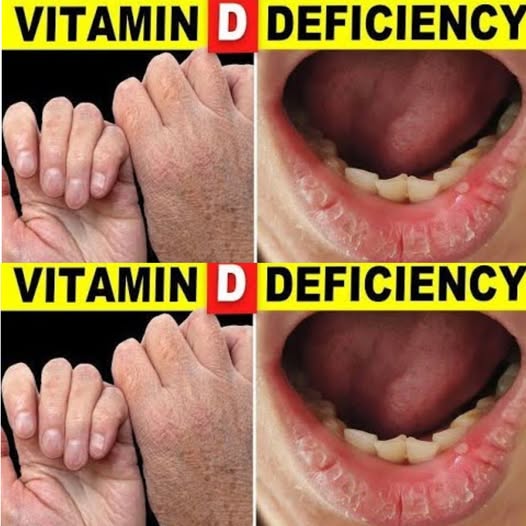
Vitamin D is essential for strong bones, immunity, mood balance, and overall health, but millions of people suffer from low levels—even if they eat well or spend time outside. If you’re feeling tired, achy, or often sick, low vitamin D could be the hidden reason. Here are the top 8 surprising causes you might not expect:
1. Always Wearing Sunscreen 🧴
Sunscreen protects your skin from UV damage—but it also blocks the UVB rays your body needs to make vitamin D.
✅ Solution: Get 10–15 minutes of sun without sunscreen a few times per week (early morning or late afternoon is safest).
2. Spending Most Time Indoors 🏠
Working from home, long office hours, or minimal outdoor activity means less sunlight exposure, which your skin needs to produce vitamin D.
✅ Solution: Prioritize brief, regular time outside—even by an open window or on a balcony.
3. Having Darker Skin Tone 🌑
Melanin (skin pigment) naturally blocks UV rays, so people with darker skin need more sun exposure to produce the same amount of vitamin D.
✅ Solution: Consider a D3 supplement and regular safe sun exposure.
4. Chronic Stress or High Cortisol 😰
Elevated stress hormones can interfere with vitamin D metabolism and absorption.
✅ Solution: Manage stress with sleep, movement, and calming activities.
5. Digestive Issues (e.g., IBS, Crohn’s, Celiac) 🧬
If your gut isn’t absorbing nutrients well, you may not absorb enough fat-soluble vitamins like D.
✅ Solution: Get tested and support your gut health with the help of a professional.
6. Being Overweight or Obese ⚖️
Vitamin D is stored in body fat. In people with higher fat mass, more vitamin D gets “trapped” and less is available in the bloodstream.
✅ Solution: Regular exercise, balanced diet, and possible supplementation.
7. Certain Medications 💊
Drugs like steroids, anticonvulsants, and weight-loss meds can reduce vitamin D levels by affecting how your body uses or stores it.
✅ Solution: Talk to your doctor if you’re on long-term medications.
8. Aging 👵🏼
As we age, the skin’s ability to produce vitamin D from sunlight significantly decreases.
✅ Solution: Older adults may need supplements even with sun exposure.
🧪 When to Get Tested:
Symptoms like:
- Frequent illness
- Bone or back pain
- Fatigue
- Depression or mood changes
- Hair thinning
may indicate low vitamin D.
Ask your doctor for a 25(OH)D blood test to know your level.
🌞 Final Tip:
Even if you live in a sunny place, these unexpected factors can affect your vitamin D levels. Awareness + small adjustments can make a big difference for your health.
Stay strong, energized, and resilient—with the help of the sunshine vitamin! ☀️🦴



