
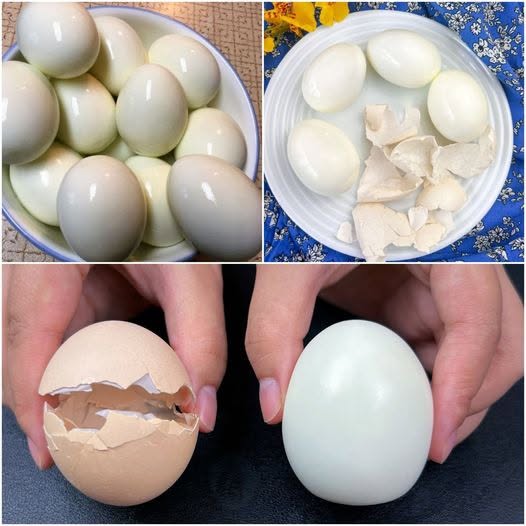
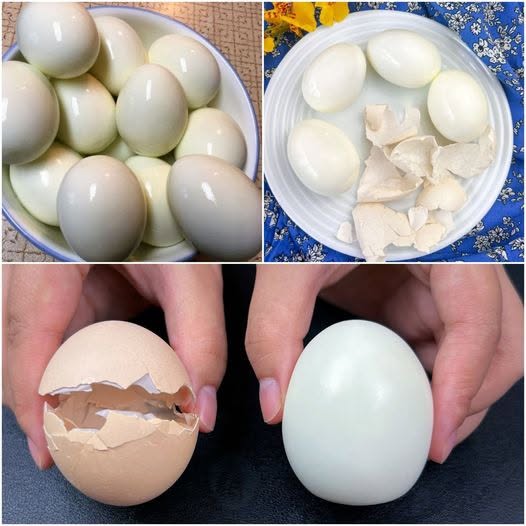
Boiling eggs might seem simple, but one small mistake can lead to cracked shells, rubbery whites, or hard-to-peel results. A common error many people make is adding cold eggs directly into hot water or pouring cold water over the eggs in the pot without care. Here’s why that matters — and how to do it the right way for perfect boiled eggs every time.
❌ Why You Shouldn’t Use Cold Water Carelessly
- Sudden Temperature Shock
Dropping cold eggs into boiling water or pouring cold water into a hot pot causes a sudden change in temperature. This can crack the shells or create uneven cooking. - Hard-to-Peel Eggs
Rapid temperature changes can cause the egg white to bond more tightly with the shell, making it harder to peel later — especially with fresh eggs. - Rubbery Texture or Gray Ring
Incorrect temperature control can overcook the yolk, leaving a gray-green ring and a rubbery texture.
✅ The Correct Way to Boil Eggs
Option 1: Start in Cold Water
- Place eggs gently in a pot.
- Cover them with cold water, about 2–3 cm above the eggs.
- Bring to a gentle boil over medium heat.
- Once boiling, reduce heat slightly and set a timer:
- 7–8 minutes for soft-boiled
- 10–12 minutes for hard-boiled
- Once cooked, transfer the eggs immediately to a bowl of ice water to stop cooking and make peeling easier.
Option 2: Steam for Easy Peeling
- Add 1 inch of water to a pot and bring it to a boil.
- Place eggs in a steamer basket above the water.
- Cover and steam:
- 6–7 minutes for soft-boiled
- 12–13 minutes for hard-boiled
- Cool in ice water before peeling.
🥚 Bonus Tip: Older Eggs Peel Better
If possible, use eggs that are 5–7 days old. They tend to peel more easily after boiling than very fresh ones.
Final Thought:
Perfect boiled eggs don’t require luck — just the right method. Start in cold water or try gentle steaming, avoid temperature shock, and enjoy smooth, easy-to-peel eggs every time!



