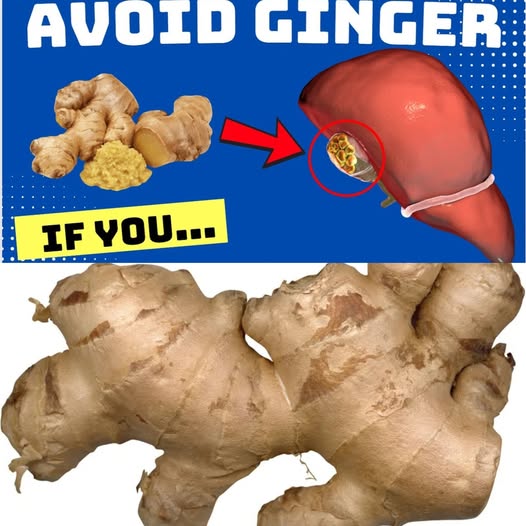
Ginger is widely praised for its anti-inflammatory, digestive, and immune-boosting properties, but like many powerful natural remedies, it’s not for everyone. While most people can safely enjoy ginger in tea, food, or supplements, there are specific conditions where ginger should be used with caution—or avoided altogether.
If you fall into any of the categories below, talk to your doctor before consuming ginger regularly.
⚠️ 1. Bleeding Disorders or If You Take Blood Thinners
Ginger can act as a natural blood thinner, which may:
- Increase the risk of bruising or bleeding
- Interfere with medications like warfarin, aspirin, or clopidogrel
Avoid if you’re already on anticoagulants or have a diagnosed bleeding condition.
⚠️ 2. Gallstones or Gallbladder Problems
Ginger can stimulate bile production, which is normally helpful — but:
- For people with gallstones, this may worsen pain or trigger an attack
- If you’ve had gallbladder surgery or chronic issues, use ginger only with medical approval
⚠️ 3. Low Blood Pressure or Taking BP Medication
Ginger may naturally lower blood pressure, which can be dangerous if:
- You already have hypotension (low BP)
- You’re taking blood pressure medications, risking dizziness or fainting
⚠️ 4. Pregnancy – Especially in High Doses
While ginger is often used to ease nausea in early pregnancy, it should be used in moderation. Avoid:
- Large amounts or supplements late in pregnancy
- If you have a history of miscarriage, bleeding, or clotting issues
Always talk to a doctor or midwife first.
⚠️ 5. Upcoming Surgery
Because of its effect on blood thinning and circulation:
- Ginger should be avoided 1–2 weeks before surgery
- It may increase bleeding risks during and after procedures
⚠️ 6. Diabetes (With Caution)
Ginger may lower blood sugar levels, which can:
- Interfere with diabetes medications
- Lead to hypoglycemia (low blood sugar) if not carefully monitored
Final Thought
Ginger is a powerful herb with many benefits, but it’s not universally safe. If you have any of the above conditions or take related medications, it’s best to consult your healthcare provider before adding ginger to your routine — especially in tea, supplements, or concentrated form. 🫖🚫