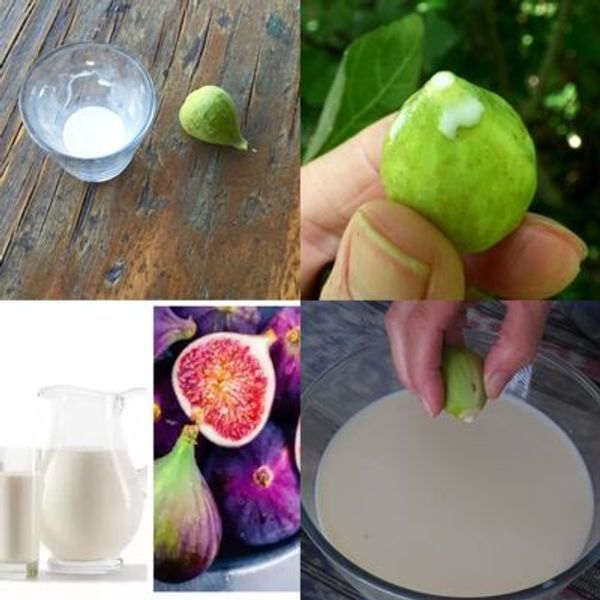
Hey there! Have you ever considered the amazing benefits of fig trees beyond their delicious fruits? These trees produce a versatile sap that can be incredibly useful. Let’s dive into the world of collecting and using fig sap responsibly, all while embracing a sustainable way of living.
Important Reminders
- Prioritize Safety: Fig sap contains latex, which can be harsh on your skin and eyes. Remember to wear gloves and protective eyewear to keep yourself safe.
- Timing Matters: The prime time to gather fig sap is from late spring to early autumn when the tree is flourishing, and the sap flow is at its peak.
- Choose Wisely: It’s crucial to only collect sap from mature, healthy trees to ensure you’re not causing harm to young or weak trees in the process.
To gather fig sap, you’ll need a few essential tools and materials such as gardening gloves, protective eyewear, a sharp knife or cutting tool, and a container for collection.
Step-by-Step Guide
- Prep Your Tools: Ensure your tools are clean and sharp for a precise cut that’s gentle on the tree.
- Select the Spot: Look for a suitable location on a branch or trunk to make a small incision, avoiding any damaged areas.
- Make the Incision: Carefully cut into the bark with a shallow incision of a few inches to allow the sap to flow.
- Collect the Sap: Place your container beneath the incision to gather the sap, leaving it there for a few hours depending on the flow.
- Seal it Up: Once you’ve collected enough sap, seal the incision using a natural tree sealant or by covering it with smooth mud to prevent infections.
Utilizing Fig Sap
Through the ages, fig sap has been utilized in various ways across different cultures:
- Natural Remedy: Diluted fig sap has been known to soothe skin irritations and even treat warts naturally.
- Culinary Uses: With proper processing, fig sap can serve as a coagulant for crafting dairy-free cheese.
- Gardening Benefits: Applying fig sap on other plants can act as a natural repellent against pests.
Engaging in the collection and utilization of fig sap not only connects you with nature but also brings forth a host of advantages. By following these guidelines, you can safely collect fig sap and contribute to an environmentally conscious lifestyle.
Safety First: Always conduct a patch test with diluted sap to avoid allergic reactions before full use. If you’re unsure about handling or using fig sap, seek guidance from a professional.
Remember, nature offers us incredible resources – let’s make the most of them sustainably!