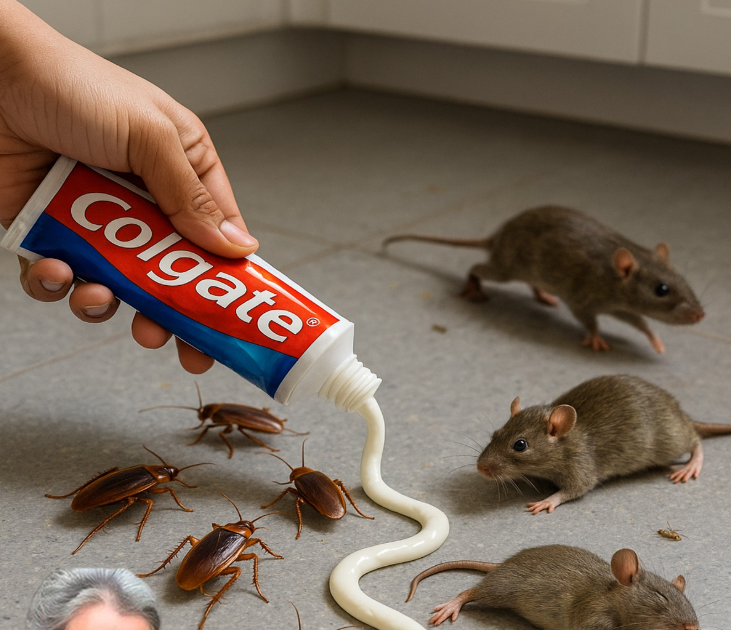
Pests in the home are never a welcome sight. Whether it’s a line of ants making their way through the kitchen, a cockroach scuttling across the bathroom floor, or mice sneaking around the pantry, these tiny invaders can create not only annoyance but also health issues and extra cleaning. Before reaching for chemical poisons and traps, consider that a simple household item might offer some help. Many homeowners have discovered that toothpaste, surprisingly, can be an effective and budget-friendly alternative for managing these nuisances.
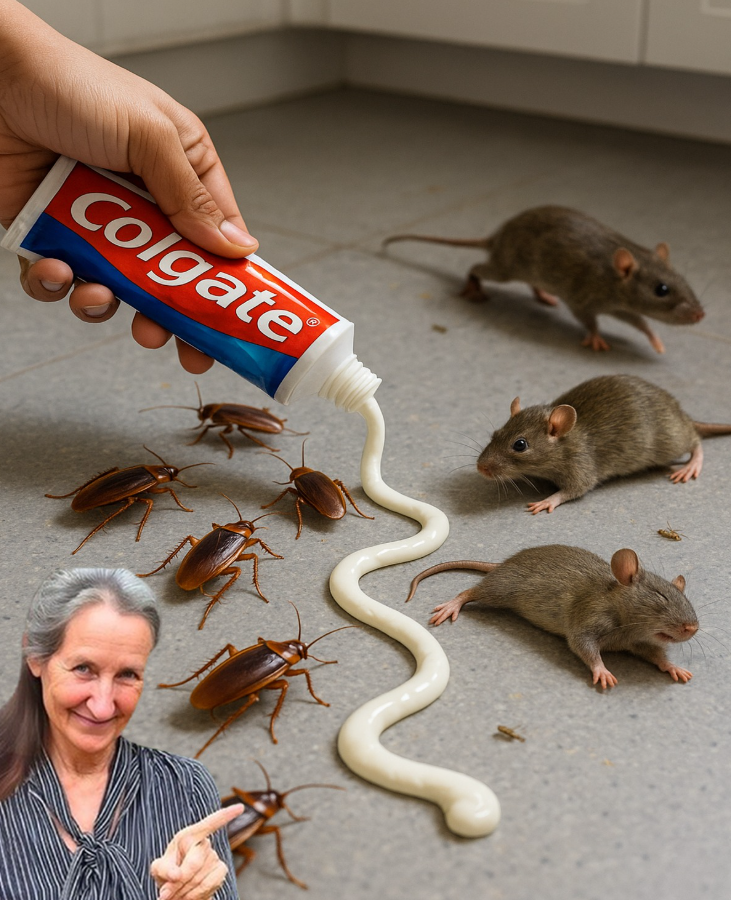
In this discussion, we’ll delve into creative ways toothpaste can be used to deter common pests around the home, why it might be effective, and how to apply it safely without endangering your family or pets.
Keeping Your Home Safe from PestsRats, mice, and insects are more than just a hassle; they can pose significant health threats. The Centers for Disease Control and Prevention (CDC) reports that pests such as mice and cockroaches can introduce bacteria, allergens, and parasites into living areas. While ants generally present less danger, they can still contaminate food and cause damage to walls or wooden fittings.
Problems often caused by these household pests include:
Contaminated food from ants or cockroaches.
Allergens due to droppings from cockroaches or dander from rodents.
Odors or stains from nesting and activity.
Destruction of property as mice gnaw through walls or electrical wiring.
Maintaining a clean and well-sealed home is essential, but sometimes these measures aren’t enough. That’s when turning to natural deterrents such as toothpaste can be beneficial.
Why Toothpaste? The Ingredients That Pests DislikeThe idea of using toothpaste might seem unusual, but many mint-flavored kinds contain ingredients known to repel pests. While scientific data on using toothpaste specifically as a pest deterrent are limited, personal experiences suggest a few potential benefits:
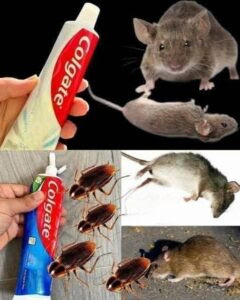
Peppermint oil or menthol ingredients give a strong scent disliked by ants and mice.
The chemical aroma can mask food odors, interrupting scent trails that insects follow.
The sticky consistency might act as a barrier for crawling pests.
Toothpaste should not be considered a permanent solution but can serve as a quick, inexpensive measure to deter pests from specific areas while developing a long-term plan.
Using Toothpaste for Specific Pests
1. AntsAnts rely on scent trails to return to food sources. Disrupting these with toothpaste can prevent them from coming back.
Application instructions:
Locate entry points such as window sills, wall cracks, or corners.
Apply a thin line of mint toothpaste at or near these entrances.
Reapply as needed, regularly or after cleaning the area.
Useful Tip: Combine toothpaste with a pinch of baking soda and apply it on small paper strips near ant trails.
2. CockroachesCockroaches can be tricky to eliminate, but they typically shy away from strong minty fragrances.
DIY approach:
Mix toothpaste with sugar and flour.
Place small blobs on cardboard pieces or shallow dishes, positioning them in corners or under appliances.
The sugar entices them, while the strong toothpaste aroma disturbs their habits.
Remember, this acts as a deterrent, not a trap—it may redirect them elsewhere, rather than eliminate them.
3. MiceMice have acute senses of smell and may avoid areas with strong peppermint or menthol odors. Toothpaste won’t harm them, but it might encourage them to steer clear.
How to apply:
Spread mint toothpaste along cupboard edges or entry holes you suspect are used by mice.
Refresh every few days.
Combine with steel wool or sealed barriers for optimal results.
Toothpaste Safety TipsUtilizing toothpaste around the home is relatively safe, but some precautions are wise:
Avoid excessive application, especially around pets that might lick it. Although generally non-toxic, some toothpastes contain xylitol, which is hazardous to dogs.
Never apply directly to surfaces where food is prepared.
Ensure it is out of children’s reach, particularly if mixed with additional ingredients like sugar or baking soda.
Toothpaste should supplement, not replace, comprehensive pest control methods. Consult a professional exterminator for significant infestations.
Additional Natural Pest Control IdeasToothpaste may be useful in minor cases or as a provisional measure; there are other natural methods homeowners often try as well:
Peppermint oil spray: Mix 10–15 drops of peppermint essential oil with water in a spray bottle. Use this around doorways and baseboards.
Vinegar solutions: Vinegar can interfere with ant scent trails. Create a 50/50 vinegar-water mix for cleaning purposes.
Bay leaves or cloves: Place in pantry corners to ward off weevils or cockroaches.
Cucumber peels: Ants dislike cucumber, so place fresh slices where they tend to gather.
When to Consult a ProfessionalIf pests continue to be a problem despite your dedicated efforts, it might be time to call in the experts. Persistent infestations could indicate underlying issues such as structural gaps, humidity, or food access needing a professional’s intervention.
Don’t wait for the problem to exacerbate. Contact pest control services if you:
Witness frequent pest activity during the day.
Notice damage to food packaging or furniture.
Hear unusual sounds at night or noises within walls.
Detect droppings or distinct odors around nesting areas.
Final ConsiderationsUsing toothpaste for pest control might not be common knowledge, yet for minor annoyances or precautionary care, it can prove surprisingly effective. Its pungent aroma, adhesive texture, and ready availability make it a cost-effective option to keep ants, roaches, and even mice from setting up house.
Remember, though, that natural remedies work best alongside practices like sealing gaps, properly storing food, and maintaining cleanliness in your home.
Try the mint toothpaste method today and see if it helps make a difference in your living space! If it does, feel free to share these tips with friends or neighbors looking for an easier way to deal with pests.
Disclaimer: This guide is for informational purposes only and is not a substitute for professional pest management or medical advice. Always seek expert assistance for persistent pest problems or household safety concerns.