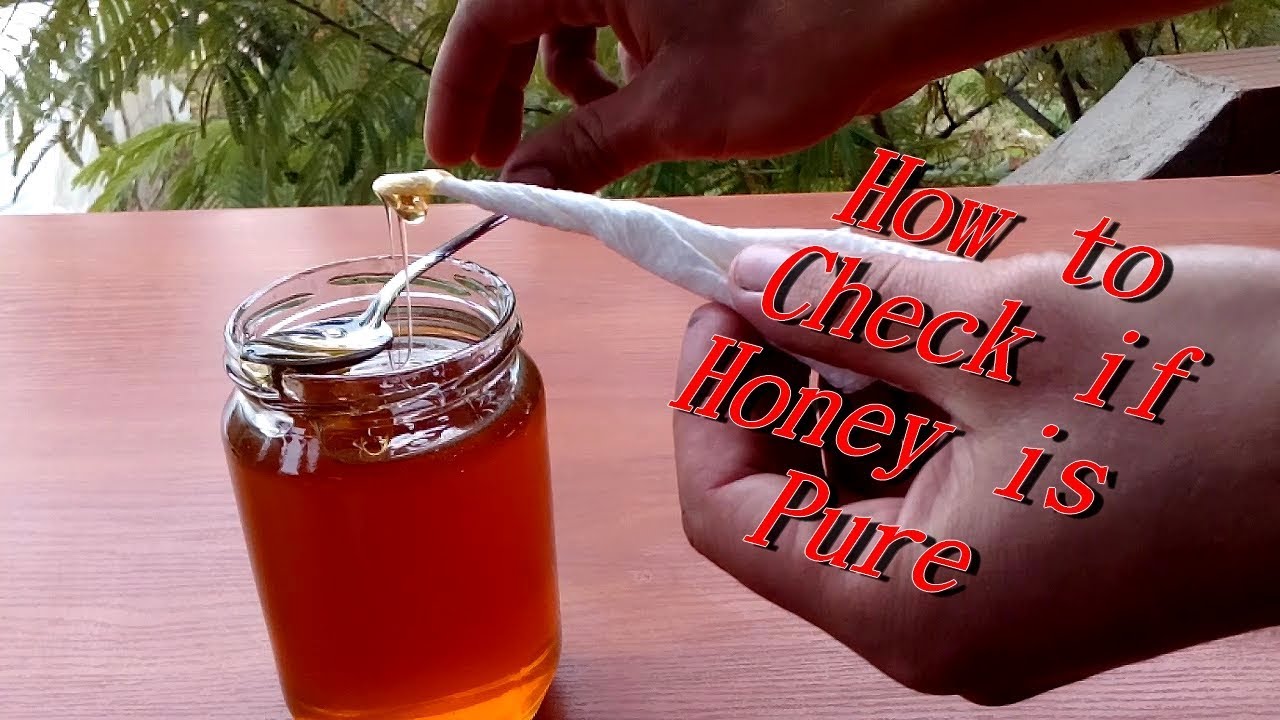
In today’s world, the prevalence of adulterated honey makes it vital for us to ensure that the honey we consume is pure and not mixed with unwanted additives like sugar, corn syrup, or other artificial ingredients. Fortunately, several straightforward methods exist for testing honey at home to evaluate its purity. Here are five simple methods you can use to determine if your honey is indeed pure.
1. Water Test
This quick technique is a great way to assess whether your honey has been mixed with water or syrup.
How to Perform the Test:
Start by filling a glass with water.
Next, gently drop a teaspoon of honey into the glass.
Results:
Pure Honey: It will settle at the bottom and remain intact, not dissolving in the water.
Adulterated Honey: If the honey dissolves swiftly, it’s a hint that it contains extra water or other additives.
2. Thumb Test
The thumb test is a handy way to check the stickiness and texture of your honey.
How to Perform the Test:
Place a small drop of honey on your thumb.
Observe what happens next.
Results:
Pure Honey: The honey will stay put and not spread readily, as pure honey has a thick and sticky nature.
Adulterated Honey: If the honey spreads or runs off, it could indicate the presence of added water or sugar syrup.
3. Flame Test (Ignition Test)
The low moisture content of pure honey makes it flammable. This test helps to identify excess water or additives.
How to Perform the Test:
Dip a dry matchstick or cotton ball in the honey.
Try to light the matchstick or cotton with a lighter.
Results:
Pure Honey: The matchstick should ignite and burn effortlessly, as pure honey is low in moisture.
Adulterated Honey: If the honey has water or other impurities, the matchstick might not light or will sputter.
4. Vinegar Test
This method helps detect impurities such as chalk or other substances that might alter honey’s consistency.
How to Perform the Test:
Mix a tablespoon of honey with a small amount of water.
Add a few drops of vinegar to this mixture.
Results:
Pure Honey: No reaction indicates purity.
Adulterated Honey: Bubbling or foaming could reveal the presence of impurities like chalk.
5. Heat Test
Heating honey can highlight any impurities, such as added sugars or corn syrup.
How to Perform the Test:
Gently heat a small quantity of honey in a pan on low heat.
Results:
Pure Honey: It will caramelize swiftly without the formation of bubbles.
Adulterated Honey: Bubbles or foam could signify the presence of added sugars or other ingredients.
Additional Signs of Pure Honey
Texture: Pure honey tends to be thick and moves slowly. It’s smooth when rubbed between your fingers.
Taste: Genuine honey offers a rich, intricate flavor that lingers, unlike adulterated honey that may taste excessively sweet or artificial.
Crystallization: Over time, particularly in cooler temperatures, pure honey will crystallize, while adulterated honey often stays liquid due to additives.
Conclusion
By employing these simple home tests, you can easily ascertain whether your honey is pure or includes additives. While these methods can offer significant insights, always consider purchasing honey from reliable sources and look for certifications like “raw” or “organic” to ensure you’re enjoying top-notch, pure honey.