
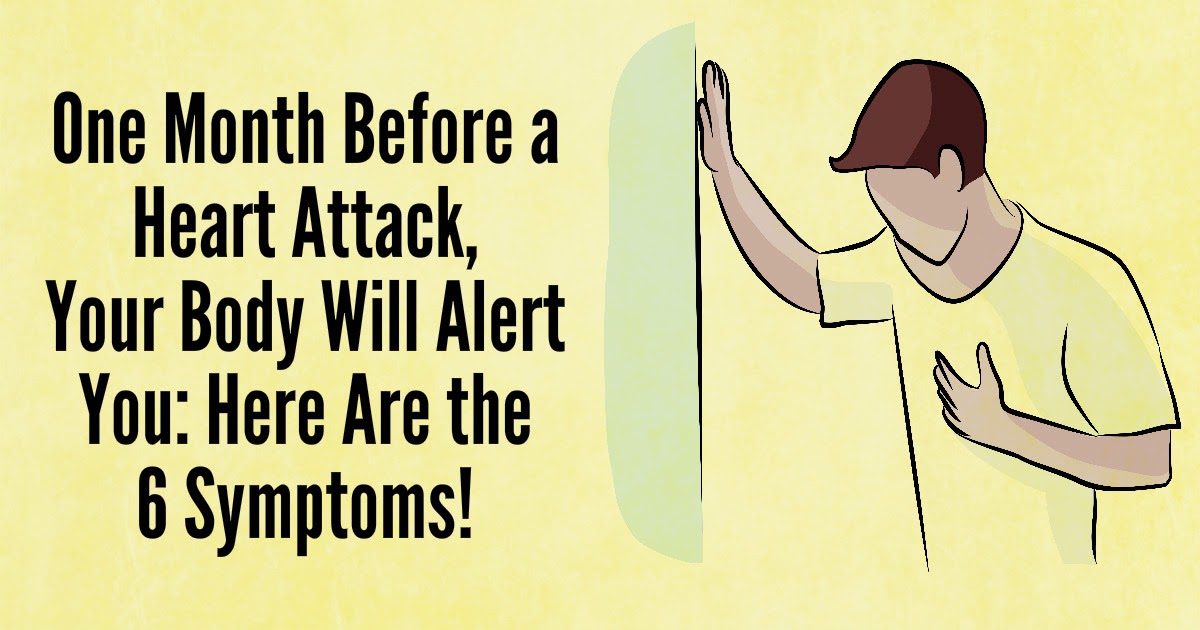
As we age, it’s crucial to be mindful of the signals our body sends, especially when it comes to heart health. Heart attacks often appear sudden, but your body typically gives you several subtle warnings. Being aware of these early signs can make all the difference. If you’re between the ages of 45 to 65, it’s particularly important to stay alert to these symptoms.
1. Chest Discomfort
One of the most common signs leading up to a heart attack is discomfort in the chest area. This might feel like pressure, squeezing, fullness, or pain. It can last for more than a few minutes or potentially go away and return. Keep in mind, this sensation isn’t always severe and might be dismissed as something minor.
2. Fatigue
Unexplained and persistent fatigue is another red flag to consider. If you find yourself feeling unusually tired after a good night’s rest and are struggling with fatigue despite minimal physical activity, it might be time to talk to your doctor. The heart may be working hard to pump blood, which can leave you feeling drained.
3. Shortness of breath
When your heart isn’t functioning well, it can affect your lungs, making it harder to catch your breath. Shortness of breath, even when you haven’t exerted yourself, should not be overlooked. This can occur with or without chest discomfort and sometimes may be the only sign a person notices.
4. Irregular Heartbeats
If you notice irregularities in your heartbeat along with a fluttering sensation, you should take note. While it’s normal to experience changes in heart rhythm occasionally, consistent irregularities, especially with added dizziness or weakness, could signal an underlying heart problem.
5. Swelling
Heart function affects fluid levels in the body, so look out for swelling, especially in your feet, ankles, or legs. Fluid retention can indicate that your heart isn’t pumping effectively, and it’s essential to get this checked out by a healthcare professional.
6. Indigestion or Nausea
Although it may seem unrelated, experiencing nausea or indigestion can be linked to heart problems. If you notice these symptoms persistently, particularly if you don’t usually have gastrointestinal issues, it might be your body hinting at a problem with the heart.
While these symptoms can point to many issues, it’s important to keep heart health at the forefront, especially if you are in an age group prone to heart disease. Regular check-ups, maintaining a heart-healthy lifestyle that includes exercise, a balanced diet, and managing stress can all contribute to better heart health.
If you experience any of the symptoms above, it’s better to be safe and consult with your doctor right away. They can guide you through necessary tests to determine the cause and ensure prompt treatment which could prevent a more serious situation.
Remember, being proactive about your health is a step towards a longer and healthier life. Keep an eye out for these warning signs, and take action before it’s too late.



