
When it comes to cooking, choosing the right oil is just as important as the ingredients you use. While some oils are healthy when raw, they can lose their benefits or even become harmful when heated. Let’s break down which oils are best avoided for cooking – and why.
🧪 1. Flaxseed Oil
- Why it’s not ideal: Flaxseed oil is rich in omega-3 fatty acids, but it has a very low smoke point (around 225°F / 107°C). When heated, it breaks down quickly, losing nutrients and producing harmful compounds.
- Best use: Only use it cold – in salads, smoothies, or drizzled after cooking.
🌿 2. Hemp Oil
- Why it’s not ideal: Like flaxseed oil, hemp oil is packed with omega-3s but can’t handle heat. Cooking it destroys its delicate fats and can lead to oxidation.
- Best use: Use raw, for dressings or cold dishes.
🌻 3. Unrefined Sunflower Oil
- Why it’s not ideal: Unrefined sunflower oil has a low smoke point and a high omega-6 content. When overheated, it can produce free radicals and add to inflammation in the body.
- Best use: Choose high-oleic or refined versions for moderate heat; avoid frying.
🥜 4. Unrefined Walnut Oil
- Why it’s not ideal: This oil is very delicate and easily damaged by heat. Heating it reduces its antioxidant value and can cause an unpleasant taste.
- Best use: Great in salad dressings or drizzled over cooked vegetables.
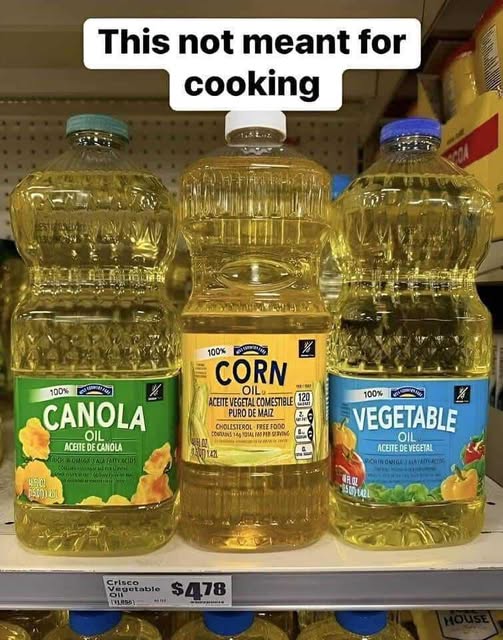
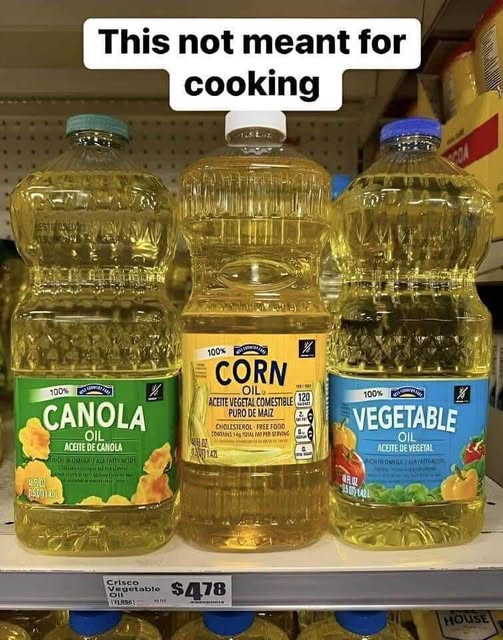
❗ 5. Generic Vegetable Oil or “Blended Oils”
- Why it’s not ideal: These are often a mix of low-quality, highly refined oils (like soy, corn, or canola) with added chemicals. When heated at high temperatures, they can oxidize quickly, leading to harmful compounds in your food.
- Best use: Avoid for frying or sautéing; read labels carefully.
✅ What to Use Instead?
For safe and healthy cooking, choose:
- Extra virgin olive oil (low-medium heat)
- Avocado oil (high heat)
- Coconut oil (medium heat)
- Ghee or butter (for frying or sautéing)
Final Thought:
Not all oils are created equal — especially when it comes to cooking. By choosing the right oils for heat, you protect both the flavor of your food and your long-term health.



