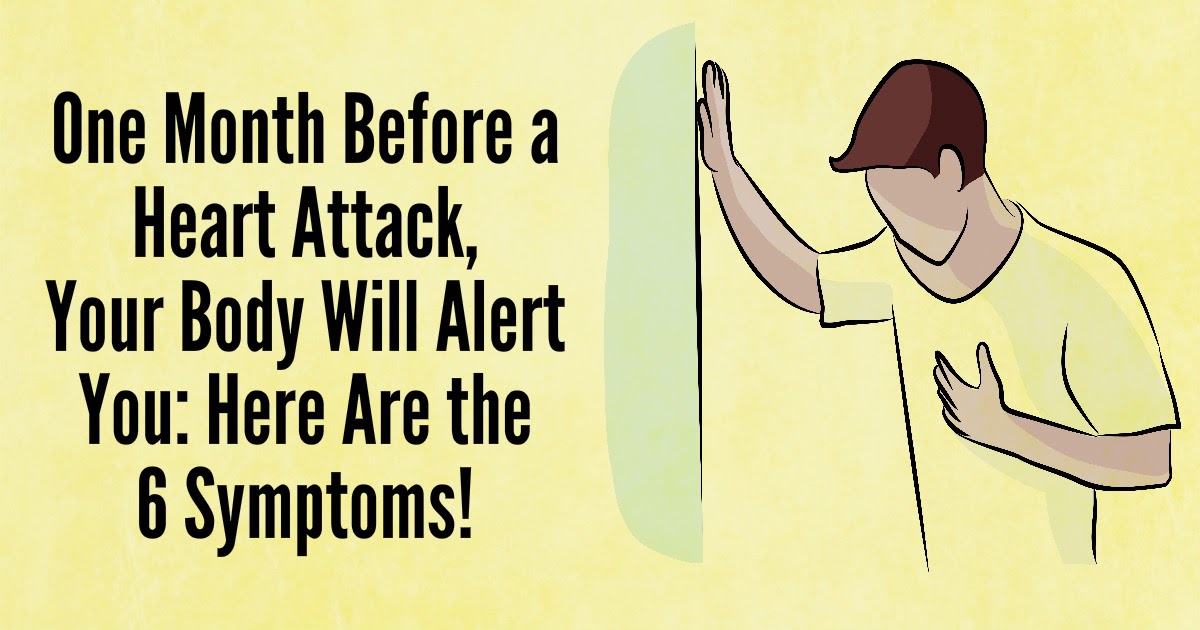
Understanding the signs your body gives you before a heart attack can be a real lifesaver. Awareness plays a crucial role, particularly for those in their mid-40s to mid-60s. Doing so not only helps you but can also enable loved ones to seek timely medical attention. Heart attacks often appear suddenly, but if you pay close attention, your body can give you warning signals up to a month in advance.
It’s easy to dismiss minor bodily changes as nothing more than aging or stress. However, these seemingly minor symptoms can spell the difference between a close call and a significant health crisis. Let’s explore these six important signs you should never overlook.
1. Chest Discomfort
One of the most common indicators is a sensation of tension or squeezing in the chest. This isn’t just your regular ache—it feels different and persistent, signaling that your heart may not be getting sufficient oxygen. Although it can often be mistaken for indigestion, it’s crucial to approach chest discomfort seriously.
The feeling might not be outright painful but could resemble pressure, fullness, or even an unseen weight pressing you down. It is essential to recognize this as a warning and consult a healthcare professional.
2. Unusual Fatigue
If you’re finding yourself especially worn out or tired with no clear reason, it might not just be ordinary exhaustion. This type of fatigue can feel overwhelming, making it difficult to carry out simple everyday tasks. Your body could be using up more energy to supply oxygen to the heart, resulting in fatigue. Being vigilant about such symptoms is essential, as they could be a prelude to a heart attack.
3. Dizziness or Lightheadedness
Experiencing dizziness or feeling faint is another symptom that should raise alarms. When your heart isn’t pumping blood effectively, it can lead to inadequate blood flow to the brain, causing dizziness. This doesn’t always happen in a heart attack, but if you suddenly feel lightheaded for no apparent reason, taking a moment to sit or lie down can be wise until you can get medical advice. Prompt attention could prevent further progression.
4. Shortness of Breath
A significant sign that should never be ignored is the feeling of being out of breath, even during minimal physical activity. This occurs when your lungs aren’t receiving enough oxygenated blood, thus signaling potential heart trouble. If going up a flight of stairs or carrying groceries suddenly leaves you breathless, it might be time for a checkup. Your heart and lungs are closely linked, so difficulty in one can hint at trouble in the other.
5. Swelling
Noticeable swelling, especially in your feet, ankles, or legs, may be something you want to mention to your doctor. Swelling, medically referred to as edema, occurs when your heart doesn’t pump blood effectively, leading to fluid buildup. It’s another marker of potential heart health issues you wouldn’t want to ignore.
6. Feeling of Heart Palpitations
Heart palpitations, described as the feeling of your heart racing, pounding, or skipping beats, can be a forewarning of a heart attack. Many individuals experience palpitations after exercise, a period of stress, or caffeine intake. However, if you’re sitting calmly and still sense these sensations, it warrants further investigation. Heart palpitations can signal arrhythmias, which, in turn, might lead to a heart attack if unattended.
Listening to your body is fundamental as you age. Understanding what feels normal and what doesn’t can be the first step toward preventing serious health issues. It’s essential to stay on top of your heart’s health not only for your wellbeing but also for those who care about you. Should you notice any of the symptoms listed above, seek medical advice promptly. Heart health is paramount, and early intervention often makes all the difference.
Adopting a healthy lifestyle with a balanced diet, regular exercise, and routine check-ups can help reduce the risks significantly. Even small changes can have powerful impacts on your overall health and wellness. Remember, exercising control over your lifestyle choices can optimize your heart health as you gracefully age.