
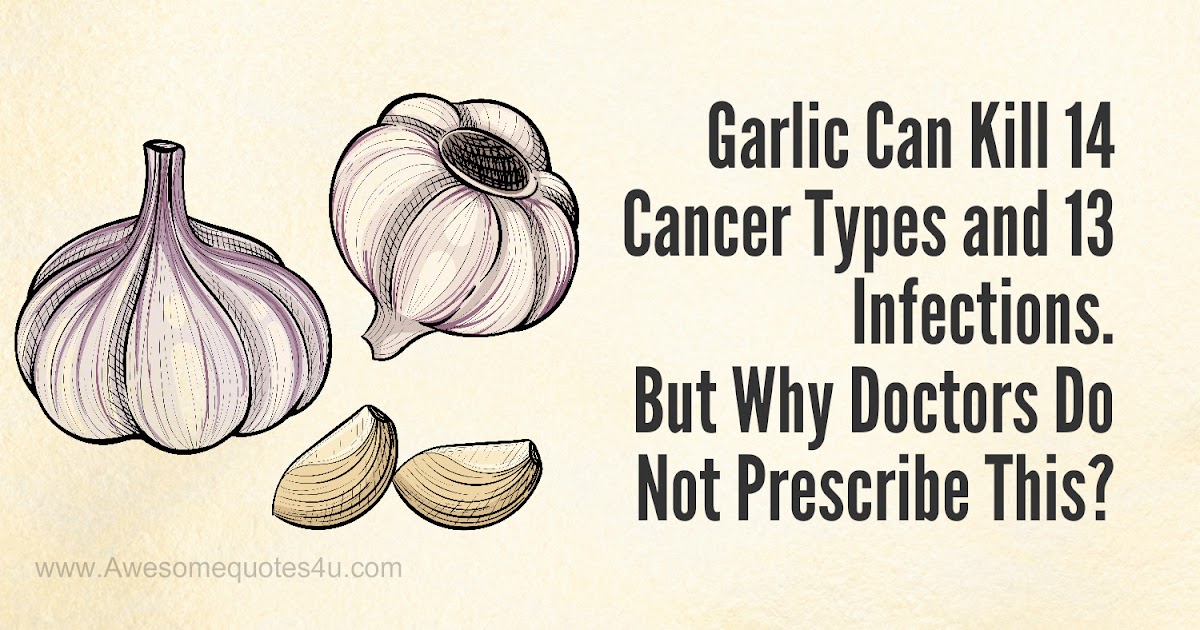
Garlic, often referred to as the ‘stinking rose’, has been a cornerstone in kitchens and natural medicine cabinets for centuries. But what makes this pungent plant so noteworthy in the world of health and medicine? It’s believed that garlic possesses incredible properties capable of tackling an impressive range of health challenges.
The Superhero Sulfides
Garlic’s power largely comes from its rich sulfur compounds, most notably allicin. These compounds are known for their potent antimicrobial, anticancer, and anti-inflammatory properties. When you crush or chop garlic, the enzyme alliinase converts alliin into allicin, which is thought to fight disease at the cellular level within your body.
Friend to the Heart
Your heart may benefit greatly from garlic. Studies indicate that garlic can help lower cholesterol levels as well as reduce blood pressure, potentially lowering the risk of heart disease. Its role in cardiovascular health is a key reason why many consider including it in their diet.
Tackling Infections
Garlic’s history as an infection fighter dates back to ancient civilizations. It’s thought to be effective against a multitude of pathogens including certain bacteria, viruses, and fungi. This naturally makes it a candidate in preventing infections or supporting other treatments when combating ailments.
Cancer Combatant
The components found in garlic may also contribute to cancer prevention. Research suggests that garlic consumption can help in reducing the risk of certain cancers, including breast, stomach, and colorectal cancer. The compounds in garlic are believed to slow or prevent the growth of cancerous cells.
Why Aren’t Doctors Prescribing Garlic?
Despite garlic’s remarkable potential, modern medicine typically does not prescribe it directly. There are several reasons for this:
First, the medical field often requires extensive clinical trials before something can be recommended universally. While there’s considerable evidence supporting garlic’s benefits, clinical trials on a broad scale are limited.
Second, the dosages needed to produce beneficial effects vary greatly from person to person. It’s a challenge to translate something as universally available as garlic into specific treatment protocols that doctors can confidently prescribe.
Lastly, while garlic is generally safe for consumption, it can interact with certain medications and isn’t suitable for everyone, particularly in large amounts. This adds another layer of complexity when considering its medicinal use in clinical settings.
Nevertheless, garlic continues to be recommended by nutritionists and integrated into wellness practices for its overall health-promoting qualities. Embracing it in regular meals not only enhances flavor but may also contribute significantly to well-being.
The Bottom Line
Including garlic in your diet remains a wise choice, especially for its potential health benefits. It’s a testament to nature’s pharmacy, continually under evaluation for its role in human health. As science progresses, who knows how garlic may one day be viewed in the medical sphere? For now, it remains a beloved kitchen staple with a strong potential to support health.
Enjoy garlic in the soups you simmer or the sauces you prepare—it might just be what the heart needs, literally and metaphorically.



