Swollen legs are a common issue — especially after long days, hot weather, or sitting for hours. But not all swelling is the same. Sometimes, it’s caused by water retention (also called edema), while other times, it’s due to inflammation or an underlying health condition.
Knowing the difference helps you address the real cause and take the right steps toward relief. 💛
💧 1. Water Retention (Edema): When Fluid Builds Up
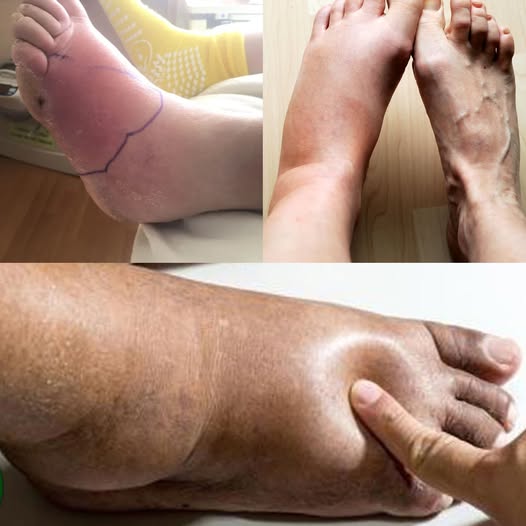
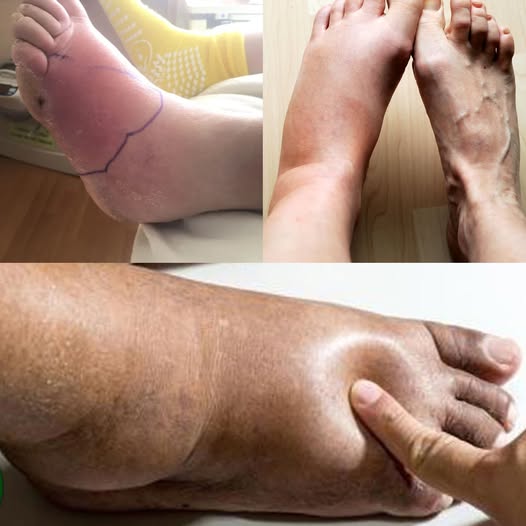
Water retention happens when excess fluid leaks from blood vessels into the surrounding tissues, causing puffiness and heaviness in the legs, ankles, or feet.
🩵 Common Signs:
- Swelling that feels soft and squishy to the touch
- Leaves a dent if you press it gently with your finger (pitting edema)
- Affects both legs equally
- Worse after sitting, standing, or traveling for long periods
- May come with a feeling of tightness or heaviness
🌿 Common Causes:
- Prolonged sitting or standing (poor circulation)
- Hot weather
- Too much salt or processed foods
- Hormonal changes (PMS, pregnancy, menopause)
- Certain medications (like those for blood pressure or birth control)
- Heart, kidney, or vein issues — if chronic or severe
✅ What Helps:
- Elevate your legs above heart level for 15–20 minutes daily
- Reduce sodium (avoid processed foods and salty snacks)
- Move more — even light walking improves circulation
- Drink water regularly to help flush excess sodium
- Try natural diuretics like parsley tea, cucumber, or lemon water
🔥 2. Inflammation: When the Body Is Fighting Back
Inflammation-related swelling happens when tissues are injured, infected, or irritated, and your body sends white blood cells to heal the area.
❤️ Common Signs:
- Swelling that feels warm, firm, or painful
- Often localized (one leg, knee, or ankle)
- Accompanied by redness, stiffness, or tenderness
- May come with joint pain or reduced mobility
🌿 Common Causes:
- Injury or sprain
- Arthritis (osteoarthritis, rheumatoid arthritis, gout)
- Infection (skin or soft tissue)
- Autoimmune conditions (like lupus or vasculitis)
✅ What Helps:
- Rest and elevate the affected leg
- Apply cold compresses to reduce pain and inflammation
- Eat anti-inflammatory foods — like ginger, turmeric, garlic, berries, and leafy greens
- Avoid refined sugars and fried foods, which worsen inflammation
- For chronic pain or redness, see a doctor — infections or arthritis need medical care
⚠️ When to Seek Medical Attention
Call your doctor immediately if swelling comes with:
- Pain, redness, or warmth in one leg (could be a blood clot)
- Shortness of breath or chest pain (possible heart or lung issue)
- Rapid swelling after an injury
- Persistent swelling that doesn’t improve with rest or diet changes
🌸 The Bottom Line
- Soft, even swelling = likely water retention (circulation or salt-related)
- Painful, red, warm swelling = likely inflammation (injury or infection)
Both can often be improved with hydration, movement, and an anti-inflammatory diet, but knowing the difference helps you act quickly and wisely.
If swelling is frequent, severe, or one-sided, it’s always best to consult a doctor to rule out deeper vein or organ-related issues. 🌿💧
A simple daily routine of movement, hydration, and clean eating can keep your legs light, strong, and healthy — no matter the season. 💛