
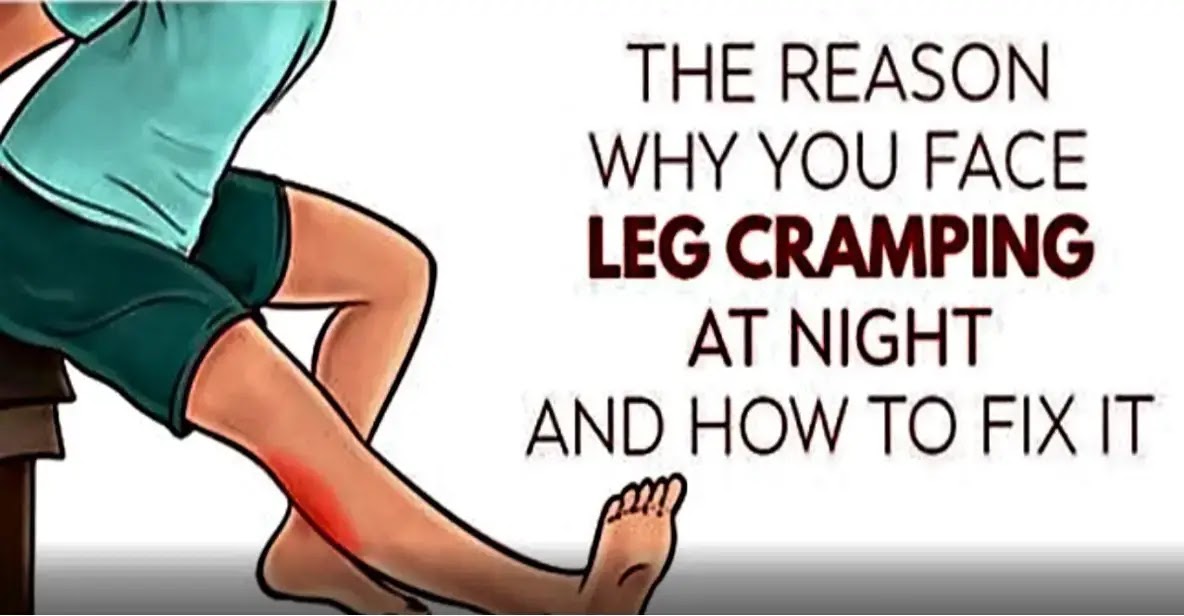
Nighttime leg cramps can be quite an uncomfortable nuisance, often disrupting your peaceful slumber. Understanding how to alleviate these cramps is essential to ensure restful nights. Here, we delve into various effective methods that can genuinely help.
Understanding Nighttime Leg Cramps
Leg cramps at night are sudden and involuntary contractions of the muscles in your calf, thigh, or foot. These cramps typically happen during sleep, causing significant discomfort. While more common in older individuals, they can affect anyone.
Why Do Leg Cramps Occur at Night?
A variety of factors can contribute to nighttime leg cramps, including dehydration, prolonged standing, or sitting in an awkward position. Additionally, a deficiency in minerals such as magnesium, potassium, and calcium may also play a role.
Preventive Measures
Staying hydrated is crucial. Make sure to drink enough water throughout the day. Staying hydrated helps your muscles function better and can prevent cramps.
Regular exercise strengthens muscles and boosts circulation, which can reduce the frequency of cramps. Yoga and stretching exercises are highly effective in preventing muscle contractions.
Ensure your diet includes sufficient amounts of essential minerals. Foods rich in magnesium, potassium, and calcium can bolster muscle health and prevent cramps.
Immediate Relief Techniques
If a cramp strikes, there are swift ways to relieve the pain. Stretching the affected muscle gently can help. Flex your foot upwards in a position opposite to the cramping motion.
Massaging the muscle with your hands also aids in loosening tension. Applying a warm compress or a heating pad can soothe the muscle and restore comfort.
For some, applying cold packs can alleviate cramps by numbing pain and reducing inflammation. It’s worth experimenting to see whether heat or cold works better for you.
When to Seek Medical Advice
While occasional cramps can be managed with home remedies, persistent or severe nighttime leg cramps may warrant a doctor’s visit. They could be indicative of an underlying condition that needs professional assessment and treatment.
Long-term Strategies for Cramps
Incorporating light exercises into your daily routine can be extremely beneficial. Activities like walking, cycling, or swimming are gentle yet effective ways to improve circulation.
Consider assessing your sleeping position. Elevating your legs using a pillow can sometimes help prevent cramps by improving blood flow.
Some individuals find relief through taking magnesium supplements. However, it’s advisable to consult with a healthcare provider before starting any new supplement regimen.
Addressing nighttime leg cramps can greatly improve your quality of sleep and overall well-being. While they may not be entirely avoidable, employing these strategies can significantly reduce their occurrence and impact.



