

Swollen feet can be more than just a mild inconvenience. For many, it’s a discomfort experienced after a long day on their feet. However, it’s important to understand that persistent swelling can be a sign pointing towards more serious health issues. Let’s explore some key reasons why your feet might swell, and why you shouldn’t ignore these signs.

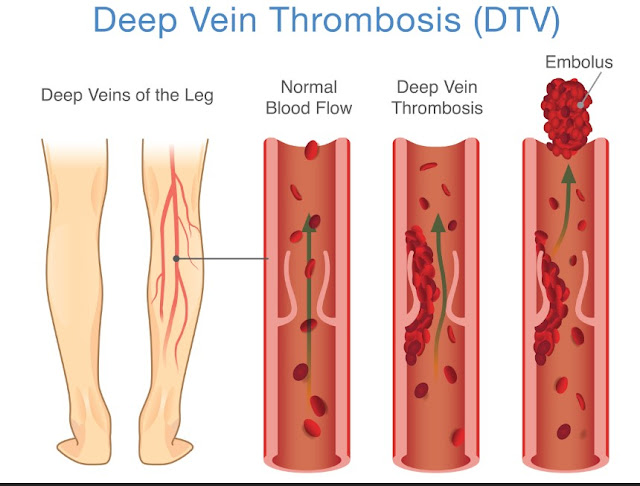
Deep Vein Thrombosis
When your foot or leg swells unilaterally, it could be a sign of deep vein thrombosis (DVT). This condition involves the formation of a blood clot in a deep vein, usually in the legs, which can potentially lead to serious complications if not addressed. It is crucial to seek medical attention if you suspect DVT.
Kidney Issues
Your kidneys play a vital role in filtering waste and excess fluids from your body. Swollen feet could indicate that your kidneys aren’t functioning properly, causing fluid build-up. Chronic kidney disease and acute kidney injury are common causes, and it’s essential to see a healthcare provider for proper evaluation.

Heart Failure
Heart failure can lead to swelling, known as edema, especially in the feet and lower legs. This happens because the heart is not pumping blood efficiently, causing fluid retention. If you experience significant swelling accompanied by other symptoms like shortness of breath, consult a doctor immediately.

Liver Disease
The liver is instrumental in keeping your body’s balance of proteins and blood-clotting mechanisms in check. When it doesn’t work properly, it can cause fluid accumulation, leading to swollen feet. Conditions such as cirrhosis and hepatitis may be associated with this symptom.

Venous Insufficiency
Venous insufficiency occurs when the veins have problems sending blood from the limbs back to the heart. As blood collects, the pressure in the veins increases, leading to swelling and discomfort. It’s crucial to seek medical advice to manage this condition effectively.
Lymphedema
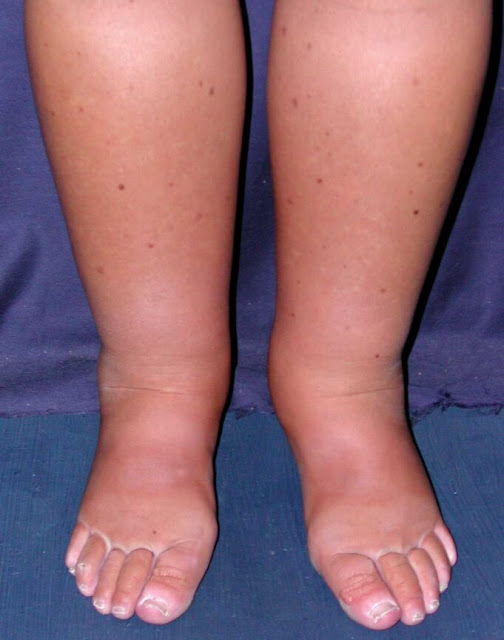
Lymphedema is a condition characterized by swelling due to lymph fluid that accumulates in the tissues when the lymphatic system is blocked or damaged. This often happens after cancer treatment involving lymph nodes. Awareness and timely intervention are key to managing it.

Infection
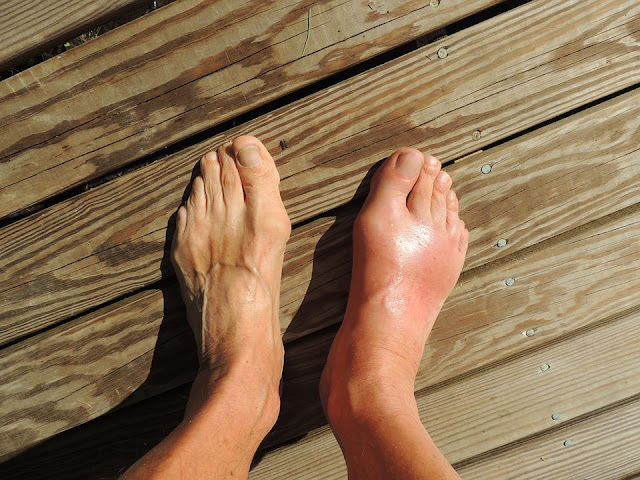
Infections can cause swelling, pain, and warmth in the affected area. A skin infection such as cellulitis requires prompt treatment to prevent spreading to other parts of the body.
Medications
Some drugs, especially those for high blood pressure, diabetes, and anti-inflammatory medications, can cause swelling of the feet due to fluid retention. Always check with your doctor or pharmacist if you suspect your medication might be causing this side effect.

Poor Blood Circulation
Poor circulation is often due to diabetes, peripheral artery disease, or similar conditions that reduce blood flow to the extremities, leading to swelling. It’s important to take note of any persistent symptoms and seek medical assistance for proper diagnosis and management.

Understanding the potential causes of swollen feet and seeking timely help is essential. It can lead to a more accurate diagnosis and prevent complications, ensuring you maintain good health and continue with your daily activities comfortably.



