
I used to laugh at my mother’s “remedies.”
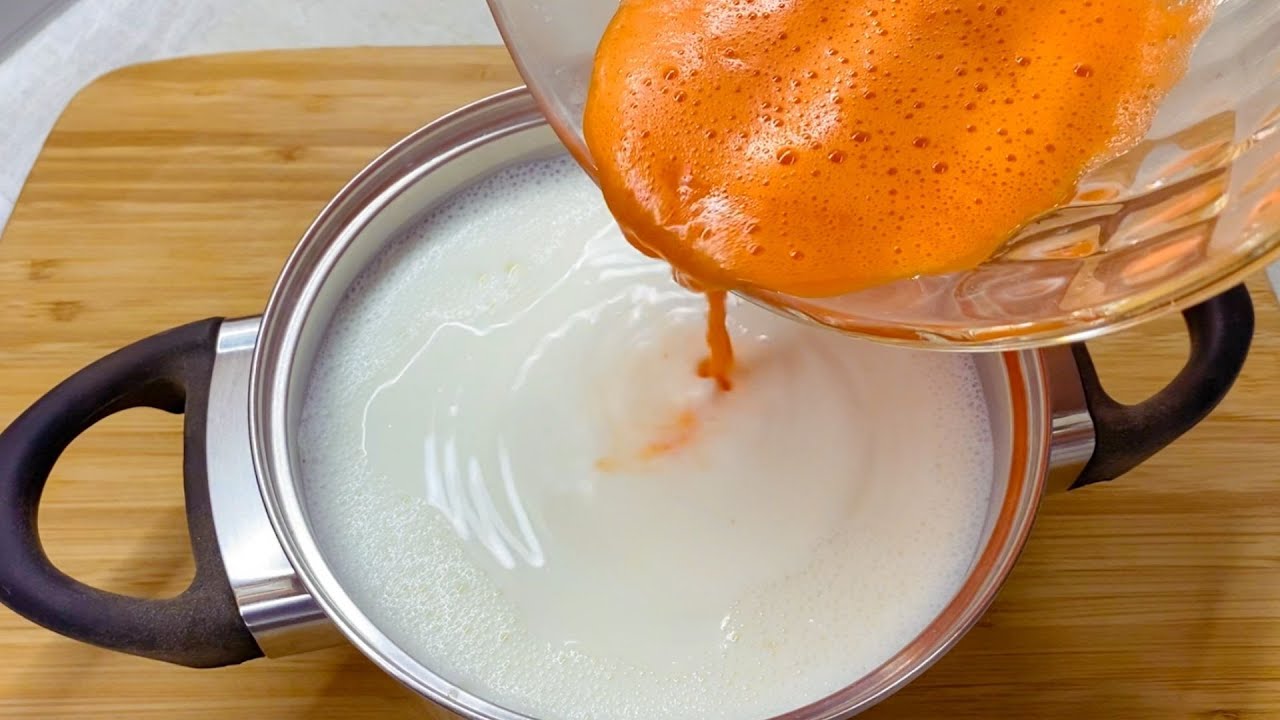
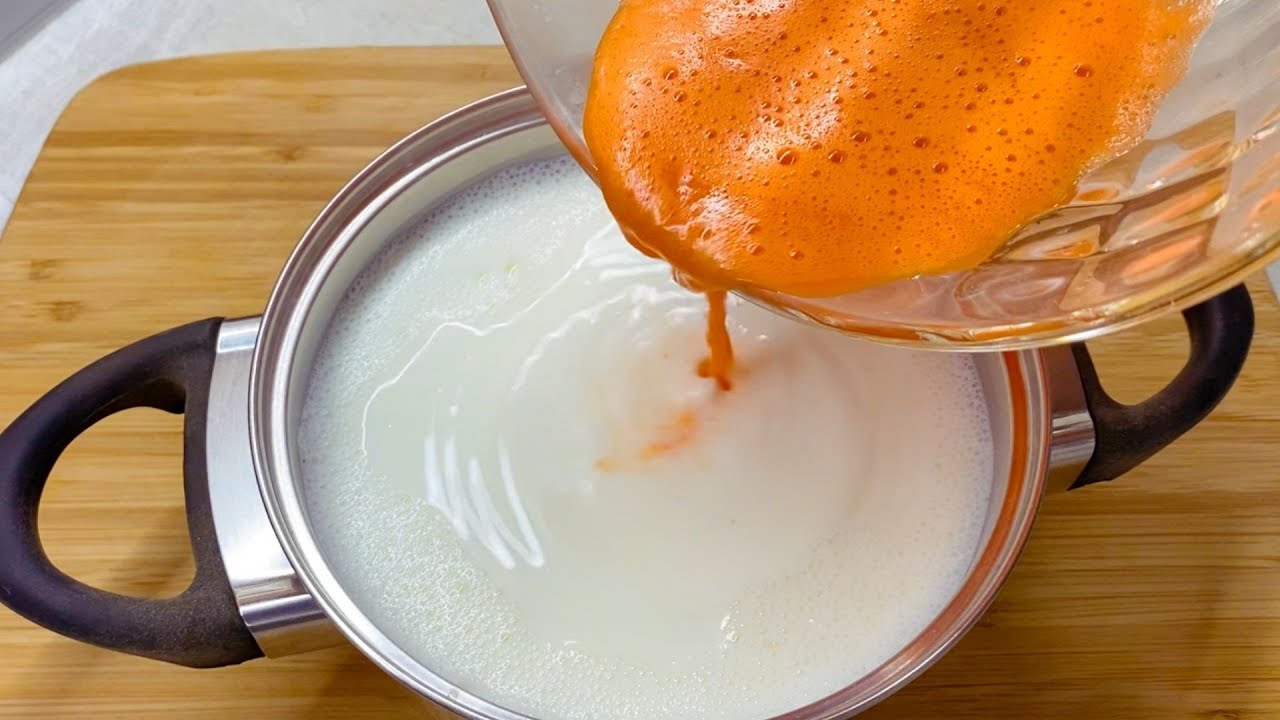
Grated carrot. Boiling milk. A spoon of jaggery. That’s it. No labels. No expiration date. Just a steaming cup handed to me when I was too sick, too tired, or too sad to argue.
I was sixteen the first time she gave it to me. My throat felt like I’d swallowed sandpaper. We didn’t have lozenges. I reached for the cold medicine.
She stopped me.
“This is what your grandmother made,” she said, already pouring the milk. “It’s warm. It soothes. It remembers.”
I rolled my eyes, obviously. I mean, carrots? In milk?
But I drank it.
It didn’t cure everything, of course. But it did something no syrup ever had—it comforted me. The sweetness hit first. Then the warmth. Then the silence that comes when your body finally unclenches.
Now I’m the one boiling milk at 1am. Grating carrots with sleepy hands. Stirring jaggery until it melts like memory.
Because it still works.
Not just on sore throats.
On bad days. On grief. On the kind of tired that sleep doesn’t fix.
I haven’t bought store syrup in years.
Because this recipe isn’t just three ingredients.
It’s three generations.
And it’s what I’ll hand my daughter the first time she coughs in the dark.
It started again last winter. My daughter, Mira, had just turned nine. That annoying, dry cough had returned—just like every year. The kind that lingers in the middle of the night, waking her up, leaving her groggy and irritable in the morning.
I knew the drill. The humidifier. The warm bath. The over-the-counter syrup she always spat out.
That night, as I tucked her back under her blanket for the third time, I looked at her tired eyes and thought of my mother. I walked out of the room, headed to the kitchen, and opened the fridge.
There were carrots.
It had been years since I made the old drink. Life had gotten fast, noisy, efficient. But that night, something pulled at me. I peeled a single carrot, grated it finely. Heated the milk. Stirred in the jaggery.
The smell hit me like a hug. Sweet, earthy, familiar.
I carried the cup back to Mira’s room. She sat up when I walked in, her eyes wide with curiosity.
“What’s that?” she asked, voice raspy.
“It’s something your great-grandmother used to make,” I whispered, sitting beside her. “For your grandma. And then she made it for me. It helped us sleep. Want to try?”
She took a sip, then another. She made a face at first, but then relaxed.
“It’s… weird. But nice,” she said, handing it back. “Can you stay until I fall asleep?”
I nodded.
I watched her eyes flutter shut, a little color returning to her cheeks.
The next morning, she asked for it again.
That winter, I made the milk almost every night. It became our quiet ritual. No TV, no phones—just us, a pan on the stove, and the rhythm of something older than both of us.
Sometimes I told her stories about my mom. Sometimes she told me about her day.
I didn’t realize it at first, but something was healing. Not just her cough—something deeper.
Because the truth was, I hadn’t talked to my own mother in almost a year.
It wasn’t one big fight. Just a slow unraveling. We disagreed about something related to Mira—how she should be raised, what she should eat, what she should believe. My mother had strong opinions. I had stronger boundaries.
Words were said. Calls stopped. Birthdays came and went with just text messages.
But every time I made that drink, I heard my mother’s voice in my head.
“Grate it fine, not chunky.”
“Don’t let the milk boil over—it ruins the taste.”
“Let the jaggery melt completely, then stir slowly.”
One night, after Mira had gone to bed, I sat at the kitchen table with the empty mug in my hands.
And I cried.
Not loud, not dramatic. Just quiet tears. The kind that come when you miss someone but you’re too stubborn to say it out loud.
That night, I did something I hadn’t done in months.
I called her.
The phone rang longer than usual. I almost hung up.
Then I heard her voice.
“…Hello?”
There was a pause. I could hear her holding her breath.
“It’s me,” I said. “Mira’s been coughing again. I made your milk.”
Another pause. Then a sound I didn’t expect—laughter.
“She didn’t spit it out?”
“She did the first time.”
We both chuckled, the tension softening just a little.
“She asks for it now,” I added. “Every night.”
I expected silence. But her voice came back, softer than before.
“She’s smart. Just like her mom.”
That’s all it took. We didn’t rehash the argument. We didn’t unpack the hurt.
We just talked.
About Mira. About the weather. About what we were cooking that week.
It was simple. But it was something.
After that, my mother started visiting again. Slowly. Carefully. Like walking on thin ice and hoping it holds.
She brought carrots from her garden. A jar of jaggery wrapped in brown paper. Little things. Quiet gestures.
One Saturday, she showed Mira how to make the drink herself.
I watched from the doorway as they stood side by side at the stove. Mira grated the carrot clumsily. My mother guided her hands. They laughed when the milk almost boiled over.
It was the same kitchen I used to watch my mom in.
Now it was Mira’s turn.
And mine—to stand back and let healing happen, one cup at a time.
Spring came. The cough faded. But the ritual didn’t.
Now, we make it even when no one’s sick.
Sometimes after a hard day at school. Sometimes just because it’s raining. Sometimes because Mira wants to hear “one of the old stories again.”
I told her the one about when I got my first period and was too embarrassed to tell anyone. My mom had handed me a warm mug without asking, sat on the bed, and said, “You’re not alone.”
I told her about the time I failed a math test and cried so hard I hiccuped. That night, milk with carrots and jaggery tasted like forgiveness.
I told her that food isn’t just for hunger. It’s for memory. For comfort. For love without big speeches.
And that sometimes, the simplest things carry the most weight.
One evening, Mira came home quiet. Too quiet.
I knew something was wrong, but I waited.
At bedtime, she asked for the milk. I started grating the carrot, not saying a word.
Halfway through her cup, she said, “Someone called me weird today.”
I looked up.
“For what?” I asked.
She hesitated.
“For saying I like warm milk with carrots and sugar.”
I smiled. “You know, when I was your age, I thought it was weird too.”
She nodded, still unsure.
“Do you still think it’s weird?” she asked.
“No,” I said. “Now I think it’s magic.”
She smiled then. Just a little.
“Maybe I’ll make it for someone someday,” she said quietly.
And in that moment, I felt it.
The thread. From my grandmother’s hands, to my mother’s, to mine, now wrapped around Mira’s small fingers.
Not just a recipe. A connection. A story being told across time, one warm sip at a time.
A few months later, Mira had to do a “family traditions” project at school.
She could’ve picked Diwali sweets or our weekend gardening. But she chose the milk.
She stood in front of the class with a drawing of a steaming cup and three words written in crayon—milk, carrot, jaggery.
She told them about her great-grandmother who used to make it when someone was sick. How her grandma taught her mom. And now, how they make it together.
Her teacher told me later that a few kids went home and asked if they could try it too.
That night, Mira said, “Maybe it’s not weird. Maybe it’s just new to them.”
I nodded. “Everything feels weird before it becomes a memory.”
She liked that.
The following winter, we sent my mom a jar of homemade jaggery for her birthday. Mira drew a label with a carrot and a heart.
She called to say thank you, her voice thick with emotion.
“I never thought this silly little recipe would matter so much,” she said.
“It’s not silly,” I replied. “It’s the first thing that ever made me feel safe.”
She was quiet for a long moment.
Then she whispered, “Me too.”
So yes, we still put carrots in boiling milk.
We still stir in jaggery until it melts like history.
We still sit at the table, hands wrapped around warm mugs, letting the steam carry stories and sorrows and little moments that would otherwise be lost.
It’s not just a drink.
It’s an heirloom.
And every time Mira stirs the pot now—her hair pulled back, her eyes focused—I see the past, present, and future all standing at the stove together.
One carrot, one cup, one memory at a time.
So if you’re ever feeling under the weather—body or heart—try it.
One cup milk. One grated carrot. One spoon of jaggery.
Boil gently. Sip slowly. Remember deeply.
Sometimes, love doesn’t need big gestures. Just a warm mug and a recipe that tastes like home.
If this reminded you of someone in your family—or a tradition worth passing on—share this with them.
And don’t forget to like the post. It means more than you know.



