
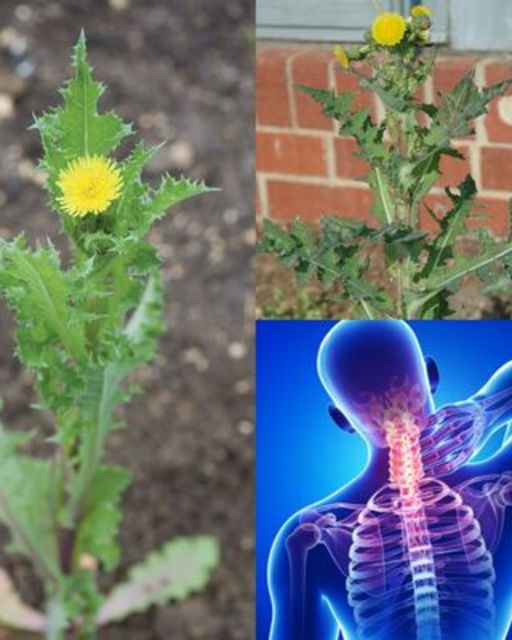
Walk through any local park or glance at the edge of your garden, and you’ll likely see a tall, leafy plant with small yellow flowers that look like tiny dandelions. Most people pull it out, calling it a “weed,” but history and science tell a much more interesting story. This is Sowthistle, a plant that has been cherished by cultures around the world for centuries for its remarkable health-supporting properties.
A Garden Full of Nutrients
For generations, Sowthistle (or Sonchus) was a staple in many traditional diets. Far from being a nuisance, it is actually a nutritional powerhouse. It is naturally high in:
Vitamin C: Essential for keeping our immune systems strong and our skin healthy.
Antioxidants: These help protect our bodies from the “oxidative stress” that comes with living a long, full life.
Minerals: It is a surprising source of calcium, magnesium, and iron—the building blocks for healthy bones and energy levels.
Traditional Uses and “Old-World” Wisdom
In many cultures, particularly in Greek and Māori traditions, Sowthistle was eaten as a “spring tonic.” The young, tender leaves were gathered and enjoyed much like spinach or dandelion greens.
Ancient herbalists believed the milky sap of the plant could soothe the stomach, while a simple tea made from the leaves was thought to help “purify” the system and support the liver. While we now have modern doctors for our major health needs, it is fascinating to see how our ancestors looked to the earth for their daily wellness.
How to Appreciate It Today
You don’t have to be a master gardener to appreciate this plant. Simply knowing that the “weed” in your backyard is actually a safe, edible, and nutrient-dense gift from nature can change the way you look at your surroundings.
A Note on Safety: If you ever decide to try “wild greens,” always make sure they are gathered from a clean area (away from roads or chemicals) and that you have identified them correctly.



