
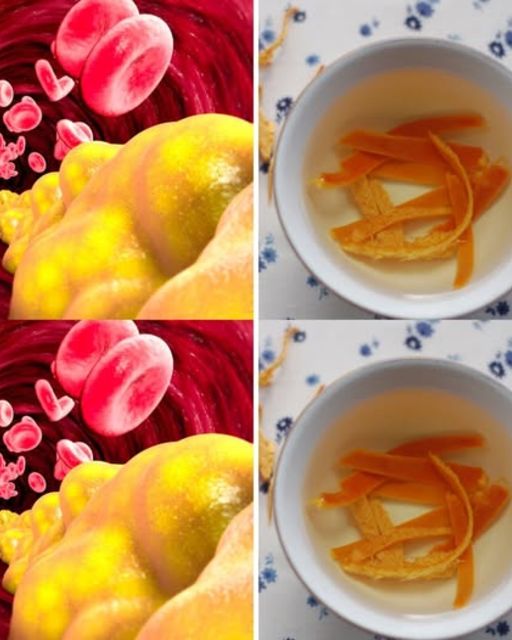
While most people toss tangerine peels into the bin, traditional wellness practices and modern research suggest these vibrant skins may be more valuable than the fruit itself. Tangerine peels contain a specific class of antioxidants known as polymethoxylated flavones (PMFs). These compounds have gained attention for their ability to support healthy cholesterol levels by assisting the liver in processing fats more efficiently. Incorporating these peels into your routine is a natural, gentle way to favor cardiovascular wellness using what was once considered kitchen waste.
Why Tangerine Peels Support the Heart
The secret to the tangerine peel’s power lies in its concentrated zest. PMFs found in the peel are significantly more potent than those found in the juice. Studies have indicated that these compounds can help lower “bad” LDL cholesterol without the common side effects associated with synthetic alternatives. Additionally, the peels are rich in hesperidin and fiber, which help stabilize blood sugar and reduce inflammation within the blood vessels. By using the whole peel, you are accessing a complex “bio-factory” of nutrients designed to keep the circulatory system clean and flexible.
Recipe: Sun-Dried Tangerine Peel Tonic
This traditional preparation, often called “Chen Pi” in Eastern wellness, mellows the flavor of the peel while concentrating its beneficial oils.
Ingredients: The peels from four to five organic tangerines. Three cups of filtered water. A small piece of cinnamon or a few slices of fresh ginger (to support circulation). A touch of raw honey (optional).
Instructions: Scrub the organic tangerines thoroughly to remove any surface residue. Peel the fruit and gently scrape away any excess white pith from the inside of the skin, as the pith can be very bitter. You can use the peels fresh, but for a deeper flavor, let them air-dry on a wire rack for two to three days until they are brittle. To make the tonic, bring the three cups of water to a boil, add the peels (and ginger/cinnamon if using), and reduce the heat to a simmer. Let the liquid simmer for about ten to fifteen minutes until the water turns a light golden hue. Strain the liquid into a cup.
How to Use Your Tangerine Remedy
For the best results in supporting cholesterol health, drink one cup of this warm infusion daily, preferably after your largest meal. The natural oils in the tea help the body break down dietary fats more effectively. You can also zest fresh tangerine peels directly into your morning oatmeal, salads, or smoothies to ensure you are getting a daily dose of fiber and flavonoids. The dried peels can be ground into a fine powder and stored in a glass jar to be used as a concentrated spice for both sweet and savory dishes.
A Gentle Tip for Success
It is crucial to use organic tangerines whenever possible, as the peel is the part of the fruit most exposed to environmental sprays. If you can only find conventional fruit, soak the peels in a mixture of water and baking soda for ten minutes before drying them. Consistency is key when using food-based remedies; it often takes several weeks of regular consumption to notice a change in your overall well-being. Always consult with a professional if you are currently taking medication for your heart or cholesterol.



