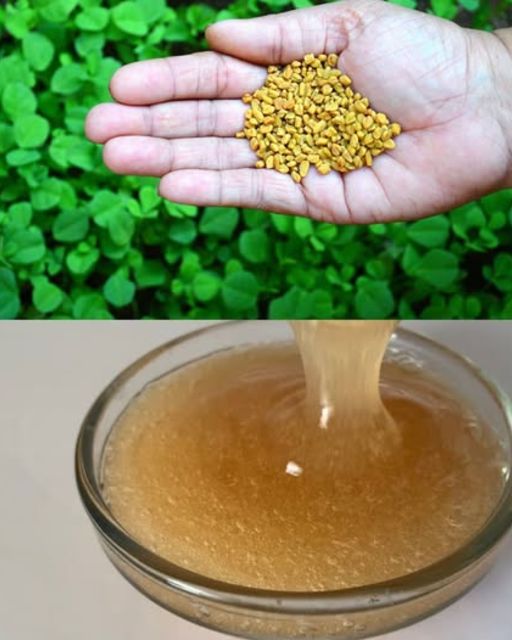
Fenugreek seeds, also known as Methi, have been used for centuries in Ayurvedic traditions as a “miracle” for hair growth and texture. These seeds are a rich source of nicotinic acid and lecithin, which work together to strengthen the hair follicles from the root and hydrate the strands from within. When used as a shampoo, fenugreek acts as a natural emollient, coating the hair in a “silky” protective layer that reduces frizz and adds an incredible mirror-like shine. Unlike commercial shampoos that strip the hair of its natural oils, this DIY version cleanses while depositing essential proteins that repair damaged cuticles.
Why This DIY Shampoo Beats Store-Bought Bottles
Most “shiny hair” shampoos in the market rely on synthetic silicones that weigh hair down and cause buildup over time. The lecithin found naturally in fenugreek provides that same “slippery” feel and shine but is completely water-soluble and nutrient-dense. Furthermore, fenugreek contains mucilage, a gel-like substance that makes detangling effortless, preventing breakage during washing. This shampoo is also a potent antifungal, making it highly effective for those dealing with dandruff or a dry, itchy scalp, ensuring your hair isn’t just shiny, but healthy from the scalp up.
Recipe: The “Silk Infusion” Fenugreek & Soapnut Shampoo
This recipe combines the conditioning power of fenugreek with Reetha (Soapnuts), nature’s most effective gentle cleanser.
Ingredients:
3 tablespoons of Fenugreek seeds (soaked overnight).
5 to 6 Soapnuts (Reetha) (seeds removed) – This provides the natural “suds.”
1 tablespoon of Dried Amla (Indian Gooseberry) (for Vitamin C and extra shine).
2 cups of Filtered Water.
5 drops of Rosemary Essential Oil (optional, for growth and scent).
Instructions:
The Soak: Place the fenugreek seeds, soapnuts, and amla in 2 cups of water. Let them soak for at least 8 to 12 hours (overnight is best). The water will turn a deep tea color.
The Simmer: Pour the mixture and the soaking water into a pot. Bring to a boil, then simmer on low heat for 15 minutes. You will notice small bubbles forming—this is the natural soap from the soapnuts.
The Mash: Once cooled, use your hands to mash the soapnuts and fenugreek seeds directly in the water. This releases the “mucilage” and the cleansing saponins.
The Strain: Strain the liquid through a fine-mesh sieve or cheesecloth into a clean bottle. Discard the solids (or compost them).
The Boost: Add the rosemary essential oil if using, and shake well.
How to Use Your DIY Hair Soap
The Application: Wet your hair thoroughly. Pour the liquid shampoo over your scalp and massage gently. It will not foam as much as chemical shampoos, but it is cleaning effectively.
The “Magic” Minute: Let the shampoo sit on your hair for 2 to 3 minutes before rinsing. This allows the lecithin to penetrate the hair shaft for maximum softness.
The Rinse: Rinse with lukewarm or cool water. You will notice an immediate “slip” to your hair, making a separate conditioner almost unnecessary.
A Gentle Tip for Success
If you have very dry or curly hair, you can add a teaspoon of Aloe Vera gel to the final strained liquid for extra hydration. Since this shampoo contains no chemical preservatives, it is best to make small batches that last for about a week, or keep the bottle in the refrigerator to maintain its freshness. Using this 100% natural “hair soap” twice a week will transform dull, brittle hair into a soft, manageable mane that glows with health.