
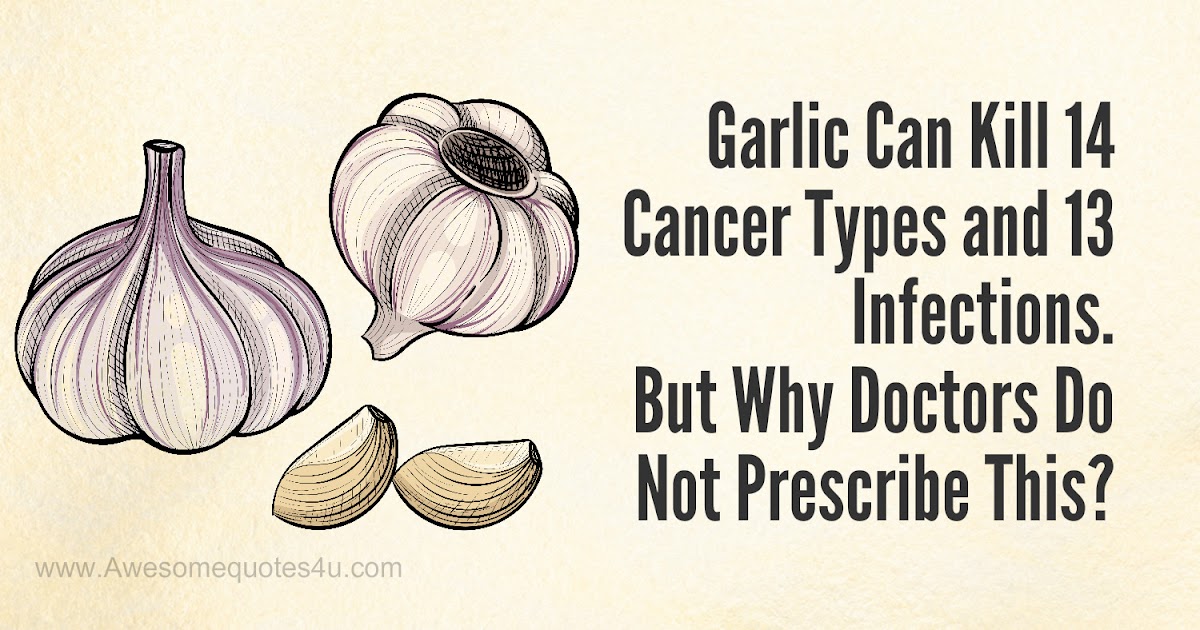
For centuries, garlic has been a steadfast ingredient in kitchens around the world, known both for its delightful flavor and its myriad of health benefits. Yet, despite its potential health advantages, many wonder why garlic isn’t more commonly prescribed by doctors as a preventive or treatment measure.
Garlic, scientifically known as Allium sativum, is a close relative of onions, shallots, and leeks. It boasts a long history of human use, dating back to ancient civilizations where it was treasured not only as a culinary delight but also as a traditional medicinal remedy.
The secret behind garlic’s acclaimed health properties lies primarily in its sulfur compounds, such as allicin. These compounds are responsible not only for its distinctive aroma but also for its potential therapeutic benefits.
A Closer Look at Garlic’s Cancer-Fighting Potential
Research has suggested that garlic could have the potential to combat various types of cancer. Studies have shown promising results in its ability to fight up to 14 types of cancer, ranging from bladder to stomach cancer. This is thought to be due to garlic’s capacity to boost the immune system, enhance DNA repair, and induce the death of cancer cells.
Garlic’s known antioxidative properties allow it to neutralize free radicals, which are harmful molecules that can lead to cancer. Significant research has pointed towards garlic’s role in reducing the risk of certain cancers, which can be crucial in preventive health strategies.
Garlic’s Role in Fighting Infections
Garlic doesn’t just stop at cancer prevention; it’s also renowned for its ability to tackle infections. It has been documented to effectively address up to 13 infectious agents, including microbes such as bacteria and fungi. Historically, garlic has been employed to treat infections long before the advent of antibiotics, showcasing its long-standing appreciation in medical history.
Its antibacterial properties mean that it can act as a natural antibiotic, supporting the body in its fight against disease-causing pathogens. Furthermore, garlic’s anti-inflammatory benefits further contribute to its infection-fighting prowess.
Why Isn’t Garlic Prescribed by Doctors?
With all these apparent benefits, it might seem puzzling why garlic isn’t a staple in medical prescriptions. There are several reasons for this. Firstly, despite promising individual studies, there is a need for more comprehensive clinical trials to conclusively determine the effectiveness of garlic against cancer and infections. Medical prescriptions require rigorous scientific backing to ensure patient safety and product efficacy.
Moreover, while garlic can complement treatment, it is not a cure-all. It should be viewed as a part of a wider approach to health, which includes a balanced diet, regular exercise, and professional medical advice.
Additionally, the potency and effectiveness of garlic can vary depending on how it’s processed and consumed. Fresh garlic, for example, may have different benefits than aged garlic extract or garlic oil, which can affect its potential use in standard medical care.
Incorporating Garlic into Everyday Life
Though garlic may not be in your prescription, incorporating it into your daily diet can still offer numerous health advantages. From adding crushed fresh garlic to dishes to using garlic supplements carefully, there are many possibilities to enjoy its benefits.
When using garlic as a health booster, start by including it in meals in its fresh form, allowing it to sit after chopping before cooking, as this activates the beneficial compounds. For those who might not enjoy the strong taste, garlic supplements can be an alternative, but it’s wise to consult with a healthcare professional beforehand.
In conclusion, while garlic isn’t prescribed as a medical treatment, it certainly holds a valuable place as a beneficial dietary addition. Whether you’re intrigued by its cancer-fighting promise or its ability to fend off infections, garlic remains a powerful tool in the pursuit of a healthy lifestyle.



