

As we get older, it’s common to experience some changes in our bodies. However, it’s important to pay attention to those unexpected signs, such as swollen feet, which may reveal hidden health problems. Discover the reasons behind this condition and learn how to address them.

Deep Vein Thrombosis
One possible cause of swollen feet that should not be overlooked is deep vein thrombosis (DVT). This occurs when a blood clot forms in one of the deep veins in your body, usually in the legs. It may cause swelling and pain, sometimes accompanied by redness.
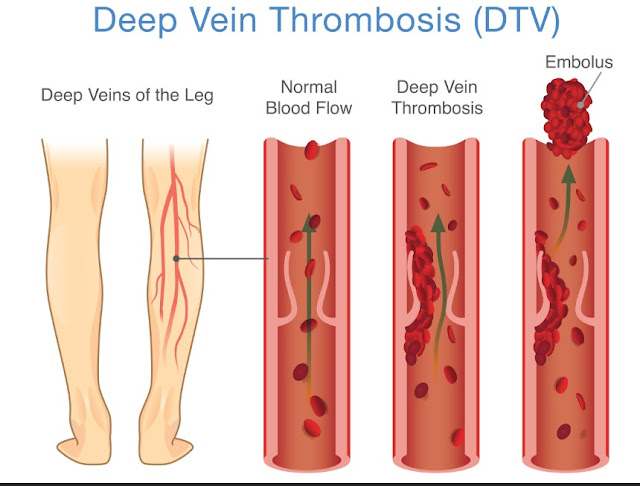
DVT is a medical emergency because a clot can break free and travel to the lungs, causing a pulmonary embolism. If you notice one foot is significantly swollen and accompanying symptoms, it’s advisable to seek medical attention immediately.

Heart Failure
Swollen feet can also be a sign of heart failure. This condition occurs when the heart is unable to pump blood effectively, leading to fluid retention in the feet and ankles. This type of swelling is usually more noticeable at the end of the day and can be quite pronounced.
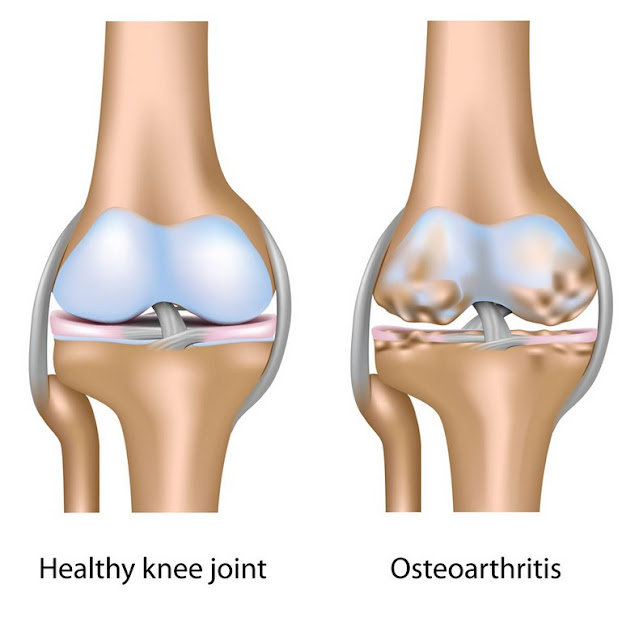
Those experiencing heart failure may also have difficulty breathing or feel more winded than usual. If swelling is accompanied by these symptoms, make sure to consult your doctor promptly.

Kidney Problems
Your kidneys play a vital role in removing excess fluid from your body. When they aren’t functioning properly, it can lead to fluid build-up in various parts of the body, including the feet.
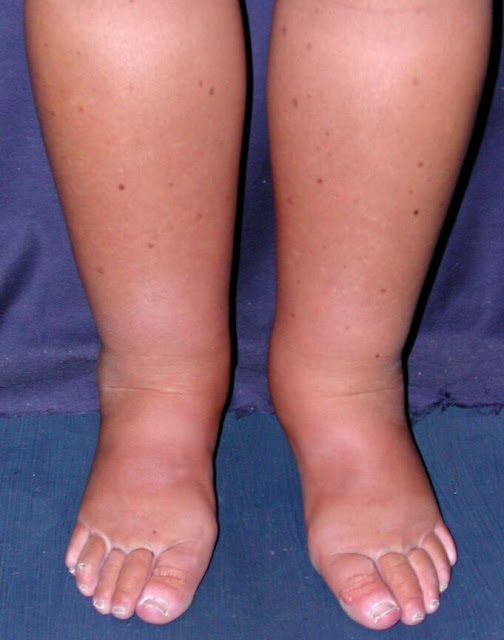
If you notice persistent swelling in your feet along with other symptoms like changes in urination or high blood pressure, it might be related to kidney issues, and it’s best to have this checked out.

Liver Disease
Liver problems can lead to fluid retention, especially in the lower body. Liver disease may cause your body to accumulate too much fluid, leading to swelling in your feet and ankles.

If you experience symptoms like jaundice or unexplained weight loss along with swelling, liver function tests may be in order to determine the root of the problem.

Blood Clots
Blood clots can impede blood flow and cause swelling in your feet. The most common site for a clot to form is in the veins of the legs.
If your feet suddenly swell, especially if accompanied by pain and warmth in the affected area, it’s important to get medical help right away, as it might be a blood clot.

Medication Side Effects
Several medications can cause foot swelling as a side effect. These include drugs for high blood pressure, diabetes, and antidepressants. If you suspect your medication could be the cause, consult your doctor. They may adjust your dosage or try an alternative treatment.
Standing or Sitting for Long Periods
Prolonged periods of standing or sitting can cause blood to pool in your legs and feet, leading to swelling. If your lifestyle or job requires you to be in one position for too long, try to take breaks and move around.
Injury or Infection
An injury or infection can also lead to swollen feet. Sprains, fractures, or infections in the lower limbs may cause your feet to swell as they heal.
Pregnancy
Pregnancy is another cause of swollen feet. As the body adjusts to support a growing baby, fluid retention may occur, causing swelling in your feet.
While swelling can be normal during pregnancy, severe or sudden swelling should be discussed with your healthcare provider.
Keeping a careful watch on your body and these symptoms, especially swollen feet, can help catch serious health conditions early. Make sure to consult your doctor to determine the underlying cause and appropriate treatment for any swelling you experience.



