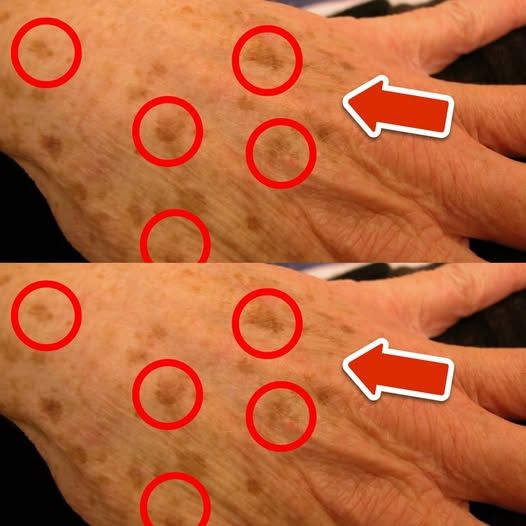
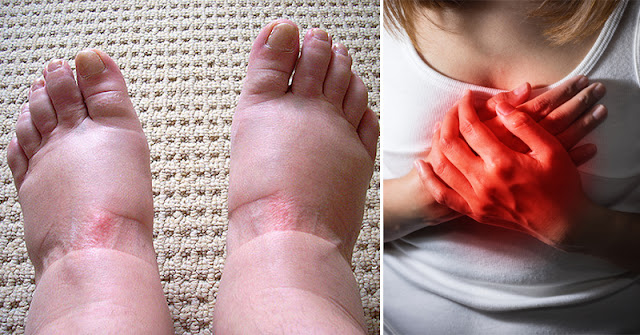
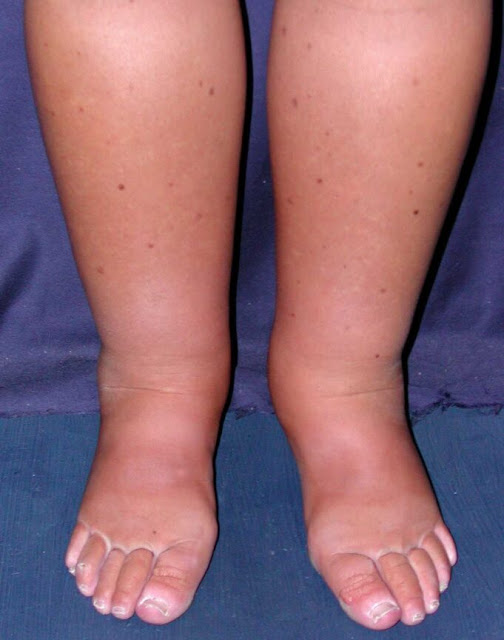
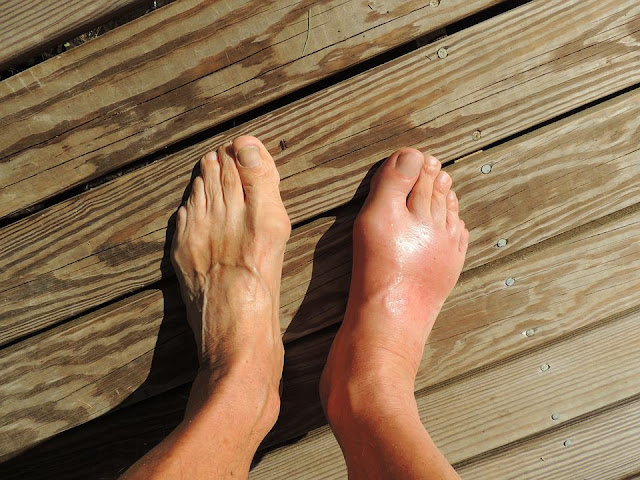
It’s not uncommon to experience swollen feet from time to time, especially after a long day of walking or standing. However, persistent swelling can be a signal of a more severe condition. Let’s explore the key warning signs that should never be overlooked, particularly as we age.
Understanding Deep Vein Thrombosis
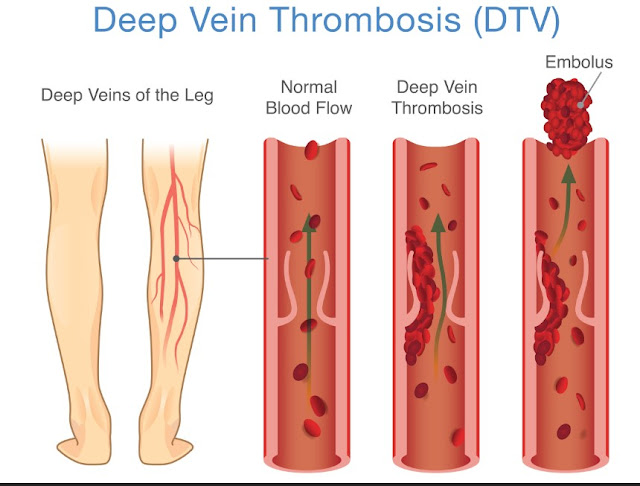
Deep vein thrombosis (DVT) is a condition where blood clots form in deep veins, usually in the legs. This can cause your feet or ankles to swell, and it may feel painful or tender. Recognizing DVT is crucial as it could lead to more dangerous conditions if left untreated.
Other Serious Conditions Linked with Swelling
Swollen feet could also be a sign of liver, heart, or kidney problems. These organs help manage fluids in the body, so when they’re not working properly, foot and ankle swelling can occur. Always seek out advice from a healthcare provider if you notice consistent swelling.

Impact of Infections
Infections, particularly those involving bacterial, fungal, or viral origins, can lead to swollen feet. Such infections should be diagnosed and treated promptly to prevent further complications.
Medication Side Effects
Some medications may cause foot swelling as a side effect. Common culprits include steroids, antidepressants, and blood pressure medications. If you suspect your medication is affecting you this way, consult your doctor for alternatives or solutions.

The Role of Lifestyle
While conditions such as DVT and organ issues are serious, lifestyle factors can also contribute to swollen feet. Being overweight, prolonged sitting or standing, and a high-sodium diet can make your feet swell. Adjusting habits like exercising more and reducing salt intake can help.
The Connection with Pregnancy
For women experiencing pregnancy, swollen feet is a common symptom due to the increased pressure on veins and fluid retention. While often normal, severe swelling should be discussed with a healthcare provider to rule out pregnancy-induced hypertension or preeclampsia.

Avoiding Compression
Tight socks or shoes may restrict circulation, contributing to swelling. Ensure that your footwear fits comfortably and provides adequate room for your feet to move freely.
When to Seek Medical Attention
If swelling persists, it’s essential to see a healthcare professional. They can conduct tests and provide insights into the underlying causes of your symptoms.

Conclusion
Understanding what your body is signaling you through swollen feet can be pivotal. While some causes are benign, others require immediate attention. Staying informed and consulting a medical professional can safeguard you against serious health conditions.