Ensuring that you drink enough water each day is vitally important for maintaining good health, especially as we get older. Staying hydrated supports numerous bodily functions and can significantly enhance your overall well-being.
Water is crucial for digestion, absorption, circulation, and temperature regulation. As we age, our body’s efficiency in managing these systems might decline a bit, making hydration even more essential. But how do you know if you’re drinking enough?
Understanding Your Hydration Needs
The recommended daily water intake can vary depending on factors such as age, sex, weight, and activity level. On average, women are advised to drink around 9 cups (2.2 liters) while men should aim for about 13 cups (3 liters) daily. However, individual needs can vary, so it’s good to be mindful of your body’s signals.
Recognizing Signs of Dehydration
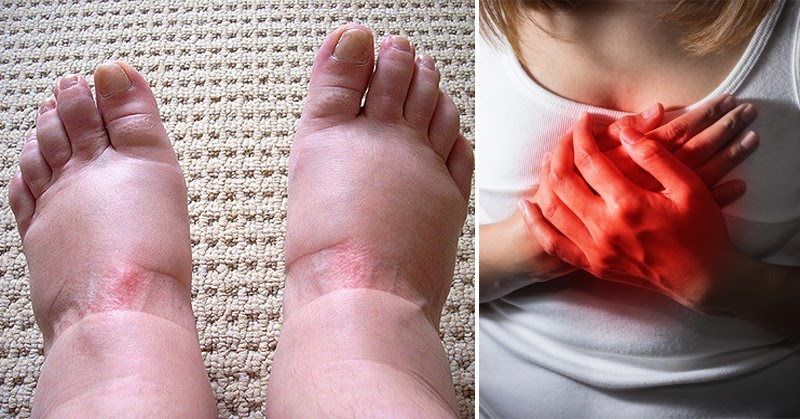
Some signs that you may not be drinking enough water include feeling thirsty, dry mouth, infrequent urination, dark urine, fatigue, dizziness, and confusion. It’s paramount to listen to these signs and adjust your water intake accordingly.
Benefits of Staying Hydrated
Water does more than just quench your thirst. Staying hydrated can help maintain skin elasticity, which naturally diminishes with age, support joint lubrication, and ensure that your heart and muscles are operating optimally. Additionally, proper hydration can aid in the management of chronic health conditions that are more common with age.
Tips for Increasing Your Water Intake
If you find it challenging to drink plain water, consider these tips: – Keep a water bottle with you to remind you to sip throughout the day. – Infuse your water with slices of citrus fruits, berries, or cucumbers for a gentle flavor boost. – Drink a glass of water with each meal or snack. – Use a hydration tracking app to monitor your intake and set gentle reminders.
Considerations for Older Adults
As we grow older, the sensation of feeling thirsty may decrease, so it’s important to develop a habit of drinking water regularly, even when not immediately thirsty. Moreover, certain medications and health conditions prevalent among seniors may necessitate increased hydration to facilitate the body’s processing of such treatments.
Finally, if engaging in physical activities or spending time outdoors in heated conditions, it’s essential to increase fluid intake to accommodate for the loss of water through sweating.
Conclusion
Overall, water is an invaluable ally in maintaining health and vitality. By drinking the right amount for your body’s needs, you can continue to enjoy many more healthy years ahead. Make sure to keep track and create healthy habits around staying hydrated—your body will thank you.