If you have ever wondered whether you are truly drinking enough water, you are not alone. Many adults find that as the years go by, staying hydrated does not feel as simple as it once did. Daily routines change, medications shift, and the natural feeling of thirst can become less reliable. The good news is that a few small, steady habits can help you feel better, think more clearly, and keep your body working smoothly from morning to night.
Hydration is not just about quenching a dry mouth. Water supports almost every function in the body. It helps carry nutrients to your cells, cushions your joints, aids digestion, supports healthy blood pressure, keeps your skin comfortable, and even influences your energy and mood. When you keep your fluid levels steady, your whole body runs more comfortably.
Why staying hydrated matters more as we get older
As we age, our bodies naturally carry a little less water than they used to, and the signal that tells us to drink may not feel as strong or as timely. That means it is easier to become mildly dehydrated without realizing it. Even a small shortfall can make daily life feel harder. You might notice more afternoon fatigue, a touch of lightheadedness when you stand up, or a foggier head when you try to focus on a task. For some people, dehydration can affect how medications feel or make constipation more likely.
Keeping a comfortable, steady intake of fluids helps your circulation and temperature control, which can be especially important during warm weather or when spending time outdoors. It also helps your muscles and joints move more easily. Many people are surprised to find that those little aches and that sluggish feeling late in the day often improve when they pay closer attention to drinking regularly.
How much water do you really need?
There is no single perfect number for everyone, because our needs vary with body size, activity level, weather, and health conditions. A helpful approach is to aim for consistent, steady sipping throughout the day rather than trying to meet a strict quota. Many adults feel their best when they get in several cups of fluid over the day, spread between morning and evening. For most people, this might look like a glass at breakfast, a glass or two mid-morning, another with lunch, one mid-afternoon, and one with dinner. If you are physically active, spend time in the heat, or take medications that affect fluid balance, you may need a bit more.
Your body also gives you simple signs that you are on track. Pale to light yellow urine often suggests good hydration, while darker yellow may be a sign to drink a bit more. Feeling reasonably energetic, avoiding headaches, and having regular, comfortable bowel movements also point to getting enough fluids. If you have been told to restrict fluids by your doctor due to a heart, kidney, or other condition, follow that guidance and ask for a personalized plan that keeps you comfortable and safe.
Common signs you may be a little dehydrated
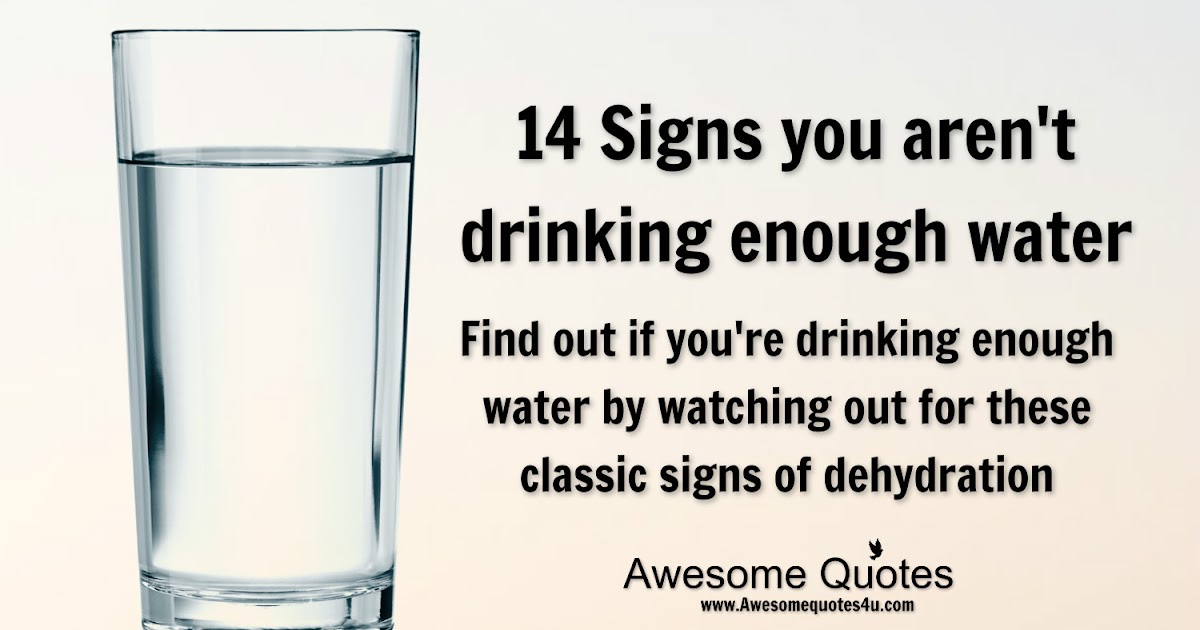
Dehydration does not always feel dramatic. It can be as quiet as a midafternoon slump that will not lift, or a sense that concentrating takes more effort than usual. You may notice a dry mouth or chapped lips, less frequent trips to the bathroom, darker urine, or a dull headache. Some people experience mild dizziness when standing, extra stiffness in their joints, or muscle cramps. Others find that their skin feels drier and their digestion slows down. If you notice these patterns, a gentle increase in fluids across your day can make a noticeable difference.
Pay attention to how you feel when you first wake up. Many people are mildly dehydrated in the morning after hours of sleep. Starting the day with a glass of water sets a comfortable tone for your body. Then, a few sips at regular intervals can help you avoid the peaks and valleys that lead to fatigue.
Simple ways to drink more without feeling overwhelmed
Consistency is more helpful than perfection. A small glass every hour or two often works better than trying to gulp down a large amount at once. You might keep a favorite glass in the kitchen or a lightweight bottle near your favorite chair so it is always within reach. Setting gentle reminders, such as enjoying a glass with each meal and one between meals, can make it easy to remember without feeling like a chore.
Temperature can make a difference. Some people prefer room temperature water because it feels easier to drink steadily. Others find that lightly chilled water is more refreshing. A squeeze of fresh lemon, a few slices of cucumber, or a sprig of mint can add a pleasant taste without adding sugar. If you enjoy a warm drink, herbal tea is a comforting way to build in extra fluids, especially in the evening.
Another friendly approach is to tie drinking to daily routines you already have. After brushing your teeth, before a short walk, or while you read the morning news, take a few sips. Over time, those sips add up in a way that feels natural and easy.
What counts as fluid besides plain water
Plain water is excellent, but it is not the only way to stay hydrated. Herbal teas, seltzer, and water infused with fruit or herbs can all contribute. Milk or fortified non-dairy alternatives add hydration and nutrients. Many foods also provide water. Fresh fruits like oranges and berries, vegetables like cucumbers and tomatoes, and soups and broths all help meet your fluid needs. If plain water feels dull, mixing in these options can make it more enjoyable to keep up your intake.
Coffee and tea can contribute to hydration for many people, especially when enjoyed in moderate amounts. If you notice they make you use the bathroom more frequently or if you feel jittery, balance them with extra water or switch some of your cups to decaf or herbal varieties. If you drink alcohol, remember that it can be dehydrating. Enjoying a glass of water between alcoholic beverages can help you feel better later.
Hydration, medications, and health conditions
Some medications influence how much fluid your body holds or how often you urinate. Diuretics, certain blood pressure medications, and some treatments for heart issues or kidney conditions can make hydration feel more complicated. If you take these, ask your healthcare provider for a simple daily target that suits your needs. You might be advised to drink smaller amounts more frequently, to weigh yourself regularly, or to watch for swelling in your legs or sudden changes in weight, which can be signs that your body is holding extra fluid.
People with diabetes may notice that blood sugar levels affect thirst and bathroom trips. Keeping fluids steady and choosing water and unsweetened drinks is often helpful. If you have been told to limit fluids because of heart or kidney concerns, follow that plan carefully. In those situations, even small adjustments should be guided by your care team to keep you safe and comfortable.
Concerns about nighttime bathroom trips
It is common to worry that drinking more will lead to waking up at night. A helpful approach is to front-load your fluids earlier in the day. Enjoy most of your drinks from morning through late afternoon, then sip lightly with dinner. If you take evening medications that make you thirsty, talk with your doctor or pharmacist about the timing. A small glass of water is often enough to swallow pills comfortably without overloading your bladder overnight.
If you tend to wake up thirsty at night, a slightly larger glass with dinner or a small glass on your bedside table might help. Adjust slowly and see how your body responds. You can find a balance that keeps you hydrated and lets you sleep soundly.
Hydration during hot weather and activity
Our bodies use more fluid in heat and during physical activity. If you are gardening, walking, golfing, or spending time outdoors, take a few sips before you start, a few during your activity, and more afterward. On very warm days, lighter meals that include water-rich fruits and vegetables can help. If you sweat a lot or spend more than an hour doing something active, a pinch of salt in food or a balanced snack may help you feel steadier. For most everyday activities, water and regular meals are enough to stay comfortable.
In cold weather, you may not feel thirsty, but indoor heating can be drying. Warm drinks like herbal tea or broth can be soothing and keep your fluids up when the air is crisp and dry.
Gentle ways to notice progress
Think about how you feel across a typical day. When you are well hydrated, your energy often lasts longer, your thinking feels clearer, and your mood is steadier. You may notice less strain when standing up, fewer headaches, and more regular digestion. Your skin may feel more comfortable and your mouth less dry. These small improvements are worth celebrating, because they add up to a day that simply feels better.
It can help to check in with yourself at the same times each day. Morning, mid-afternoon, and evening are useful moments to ask if you have had a couple of glasses and how you feel. With this gentle attention, you can fine-tune your intake until it feels just right for you.
If plain water is hard to enjoy
Some people find the taste of their tap water unappealing. A simple filter pitcher or a reusable bottle with a built-in filter can make a noticeable difference in taste. Chilling water or adding a slice of lemon, orange, or cucumber can brighten the flavor. If cold drinks bother your teeth or stomach, room temperature water can be kinder and easier to sip. You can also try alternating water with a mild herbal tea to keep things interesting while avoiding extra sugar.
If you prefer some fizz, plain seltzer is refreshing and hydrating. If carbonation makes you feel bloated, pour it over ice and let it sit for a minute to soften the bubbles, or mix half seltzer with half still water for a smoother sip.
Addressing common worries
Many people limit fluids because of concerns about incontinence or urgency. While this is understandable, cutting back too much can make urine more concentrated, which may irritate the bladder and actually worsen urgency for some people. A steadier pattern of small sips can be gentler on your bladder. If bladder issues are troubling, talk with your healthcare provider about simple strategies, pelvic floor exercises, or medication adjustments that may help.
Others worry about swollen ankles. Swelling can have many causes. Sometimes it helps to drink enough water, elevate your legs, and reduce long periods of sitting. However, if swelling is new, sudden, or paired with shortness of breath, contact your healthcare provider promptly. In that situation, follow medical advice about fluids rather than trying to self-manage.
A simple plan you can start today
Begin your morning with a glass of water as soon as it is convenient. Enjoy another glass with breakfast. Around mid-morning, take a few sips while you read, tidy up, or head out for errands. Have a full glass with lunch. In the afternoon, enjoy water or herbal tea while you take a short break. With dinner, add another glass, and then sip lightly during the evening. Adjust the amounts to suit your own comfort, your medical guidance, and your daily routine.
Along the way, choose foods that bring water with them. Crisp salads, juicy fruits in season, hearty soups in winter, and yogurt or cottage cheese can all contribute. If you enjoy a daily cup of coffee or tea, that can fit in as well. If you drink alcohol, add a glass of water before or after to keep your body balanced.
When to seek help
If you have prolonged diarrhea, vomiting, fever, or you are unable to keep fluids down, that can lead to dehydration more quickly. Dark urine, dizziness that does not improve after drinking, a very dry mouth, confusion, or a fast heartbeat are signs to take seriously. In those cases, contact your healthcare provider. If you follow a fluid restriction or have heart or kidney conditions, ask for clear, written guidance about your safe daily range and how to adjust during heat or illness.
It is always wise to bring up questions about hydration at your next appointment. Ask how your medications affect fluid needs, whether you should use electrolytes, and how to balance fluids with your specific health conditions. A short conversation can give you confidence and a plan that suits your life.
Encouragement for the long term
Staying hydrated does not have to be complicated. The most important step is to make it easy and pleasant. Keep water within reach, pick drinks you enjoy, and weave sips into moments that already happen every day. Over time, these small actions support steadier energy, clearer thinking, more comfortable digestion, and better overall well-being.
Think of hydration as a gentle gift you give your body. It is simple, affordable, and effective. With a few mindful changes, you can feel the difference in how you move through your day, from your first steps in the morning to the moment you settle in for a good night’s rest. Here is to feeling clear, steady, and well supported by every sip.