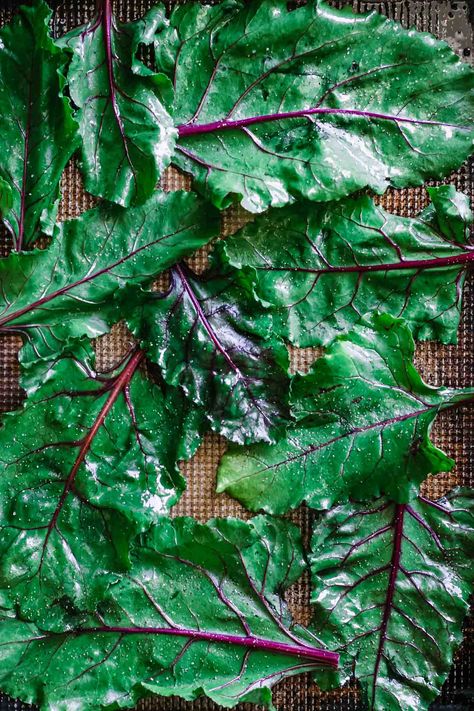
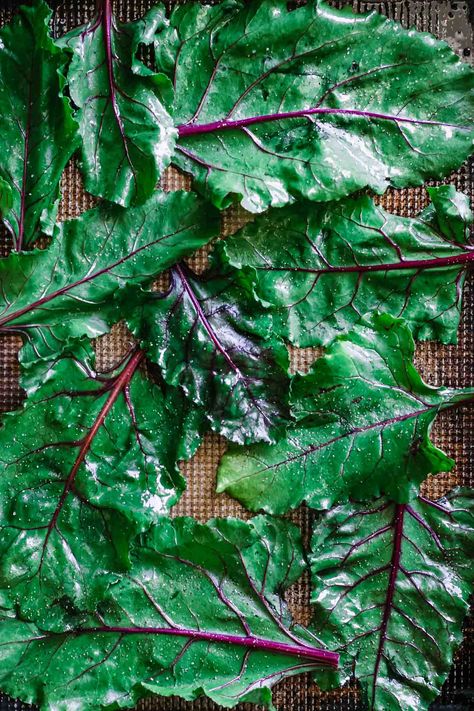
Beet leaves, often discarded in favor of their more famous root counterparts, are actually a nutritious and versatile green worthy of a place in your kitchen. Packed with vitamins, minerals, and fiber, these leaves offer an array of health benefits and can be used in a variety of dishes. Let’s delve into why you should consider keeping and using beet leaves, along with some practical ways to incorporate them into your diet.
Health Benefits of Beet Leaves
- Rich in Nutrients: Beet leaves are incredibly nutritious. They are high in vitamin K, which is essential for blood clotting and bone health. They also provide significant amounts of vitamin A, vitamin C, iron, and fiber, all of which contribute to overall health and wellness.
- Antioxidant Properties: Like the beetroot, beet leaves are rich in antioxidants, particularly beta-carotene and lutein. These compounds help fight oxidative stress and may reduce the risk of chronic diseases such as heart disease and certain cancers.
- Supports Heart Health: Beet leaves contain nitrates, which are beneficial for heart health. Nitrates help to improve blood flow and lower blood pressure, reducing the overall strain on the cardiovascular system.
- Anti-inflammatory Effects: The greens contain compounds that have anti-inflammatory properties, which can help reduce the risk of inflammatory diseases and alleviate symptoms related to inflammation.
- Blood Sugar Regulation: Due to their high fiber content, beet leaves can help manage blood sugar levels by slowing down the absorption of glucose into the blood, making them beneficial for people with diabetes.
Culinary Uses of Beet Leaves
Beet leaves can be used much like other greens such as spinach or Swiss chard. Here are a few ways to prepare and enjoy them:
- Salads: Young, tender beet leaves can be added raw to salads. They add a slightly sweet and earthy flavor that pairs well with other salad greens.
- Sautéed or Steamed: Sauté beet leaves with garlic, olive oil, and a pinch of salt for a quick and nutritious side dish. Alternatively, you can steam them and add a splash of lemon juice and pepper for a simple preparation.
- Smoothies: Incorporate beet leaves into smoothies for a nutrient boost. They blend well with fruits like berries and bananas, which help mask their earthy flavor.
- Soups and Stews: Add chopped beet leaves to soups and stews during the last few minutes of cooking. They contribute color, texture, and nutrition.
- Pesto: Use beet leaves as a substitute for basil in pesto recipes for a unique twist. Blend them with nuts, garlic, parmesan cheese, and olive oil for a delicious sauce or spread.
Conclusion
Beet leaves are a valuable addition to your diet, not only for their nutritional benefits but also for their versatility in cooking. By utilizing these greens, you not only minimize food waste but also take advantage of their many health-promoting properties. Next time you buy beets, save the tops and explore the delicious possibilities they offer.