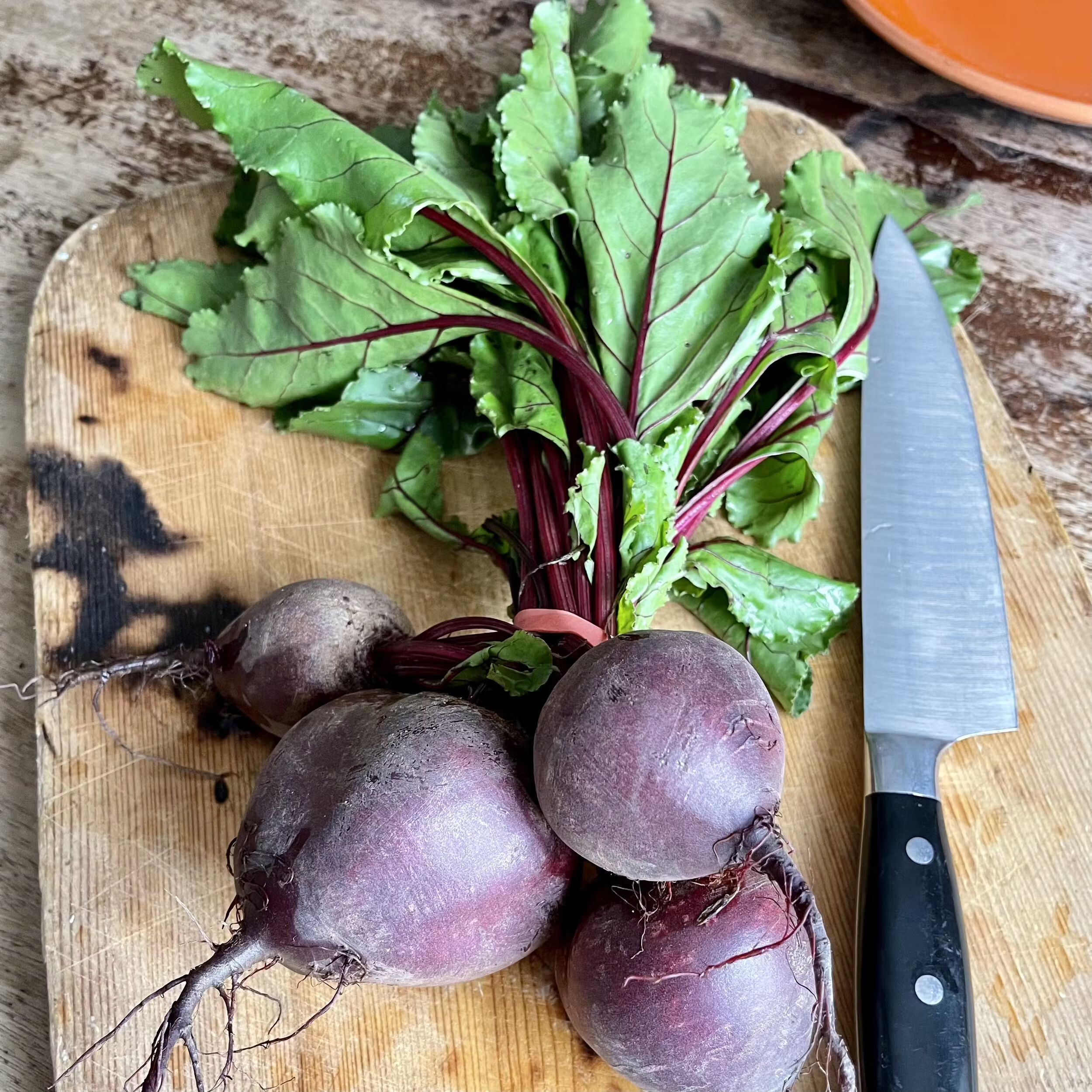
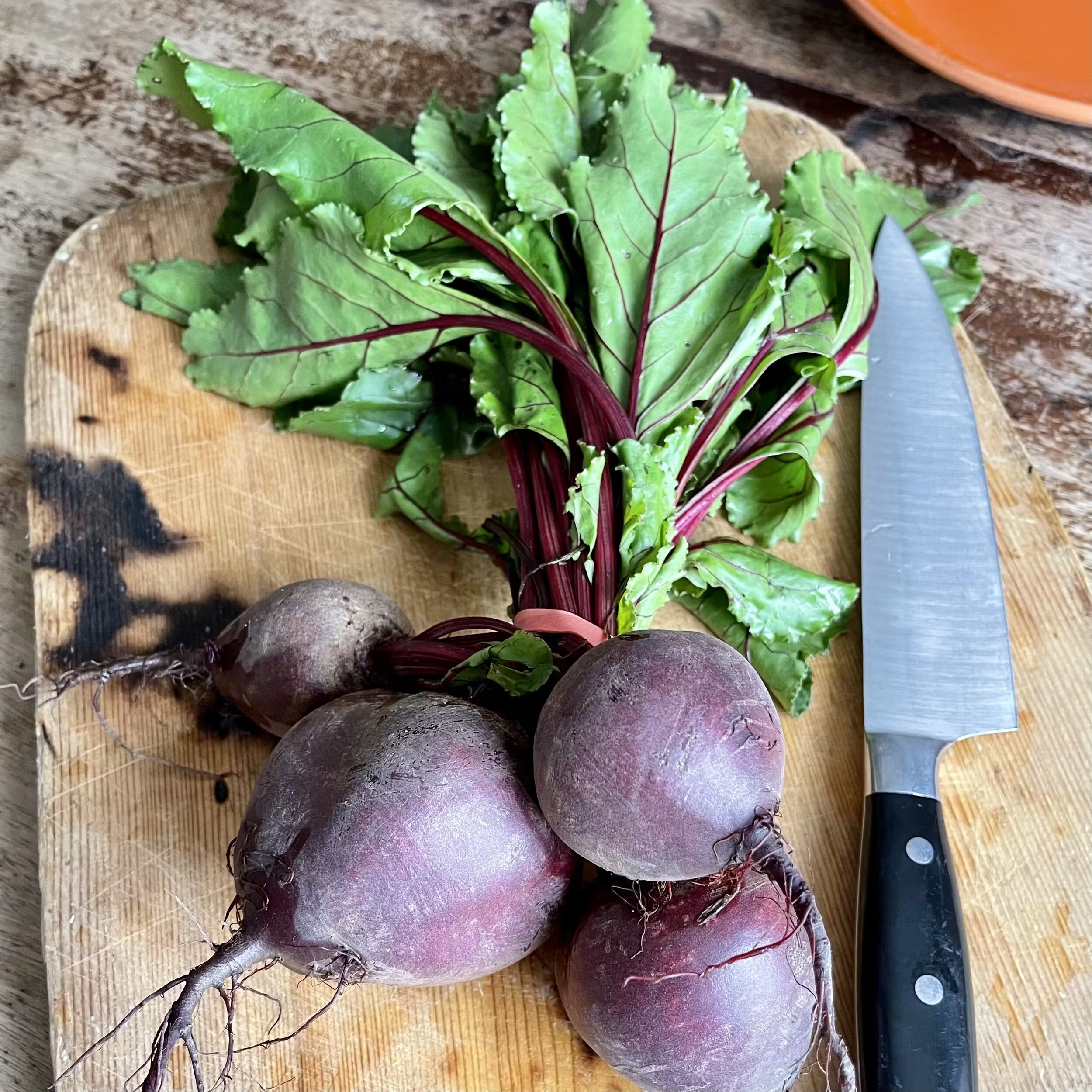
Often overlooked in favor of the more commonly eaten root, beet leaves (or beet greens) are not only edible but highly nutritious and versatile in culinary uses. These vibrant leaves from the beetroot plant are packed with vitamins, minerals, and fiber. Here’s why you should consider adding beet leaves to your diet and how you can use them.
Health Benefits of Beet Leaves
1. High Nutritional Value Beet leaves are an excellent source of vitamins A, C, and K. They also contain significant amounts of iron, calcium, magnesium, potassium, copper, and manganese.
2. Rich in Antioxidants The high levels of vitamin C and other antioxidants in beet leaves help protect against oxidative stress and inflammation, which are linked to many chronic diseases.
3. Promotes Heart Health Like the beetroot itself, beet leaves contain nitrates that help to lower blood pressure and improve overall cardiovascular health.
4. Supports Bone Health Beet leaves are rich in vitamin K, a nutrient essential for good bone health. Vitamin K helps in the formation and strengthening of bones, potentially reducing the risk of fractures.
5. Enhances Eye Health The beta-carotene and lutein found in beet leaves are beneficial for eye health. These nutrients can help reduce the risk of age-related macular degeneration and cataracts.
6. Aids Digestion The high fiber content in beet leaves can help improve digestive health. Fiber aids in bowel regularity and helps prevent constipation.
7. Anti-Inflammatory Properties The presence of vitamins and minerals with anti-inflammatory properties makes beet leaves beneficial in reducing inflammation throughout the body.
Culinary Uses of Beet Leaves
1. Salads Young and tender beet leaves are perfect in salads. They add a colorful and nutritious twist to any green salad and pair well with balsamic vinegar and goat cheese.
2. Sauteed or Stir-Fried Sauté or stir-fry beet leaves with garlic, olive oil, and a sprinkle of salt for a simple and tasty side dish. You can also add them to stir-fries along with other vegetables.
3. Soups and Stews Chop beet leaves and add them to soups or stews. They contribute flavor, texture, and nutrition much like spinach or Swiss chard would.
4. Smoothies For a nutrient boost, add a handful of beet leaves to your favorite smoothie. They blend well with fruits like berries and bananas, and you can hardly taste them.
5. Juicing Juice beet leaves along with other vegetables and fruits for a health-packed drink that energizes and detoxifies.
6. As a Wrap Use larger beet leaves as a wrap for rice dishes, meats, or other fillings. Blanch them quickly to make them more pliable before using.
Conclusion
Beet leaves are a highly beneficial and versatile food that can enrich your diet substantially. Whether used raw in salads or cooked in various dishes, these leaves offer a multitude of health benefits from boosting heart health to enhancing digestive wellness. Don’t throw away those leaves next time you buy beetroots; instead, use them to elevate your meals both nutritionally and visually!