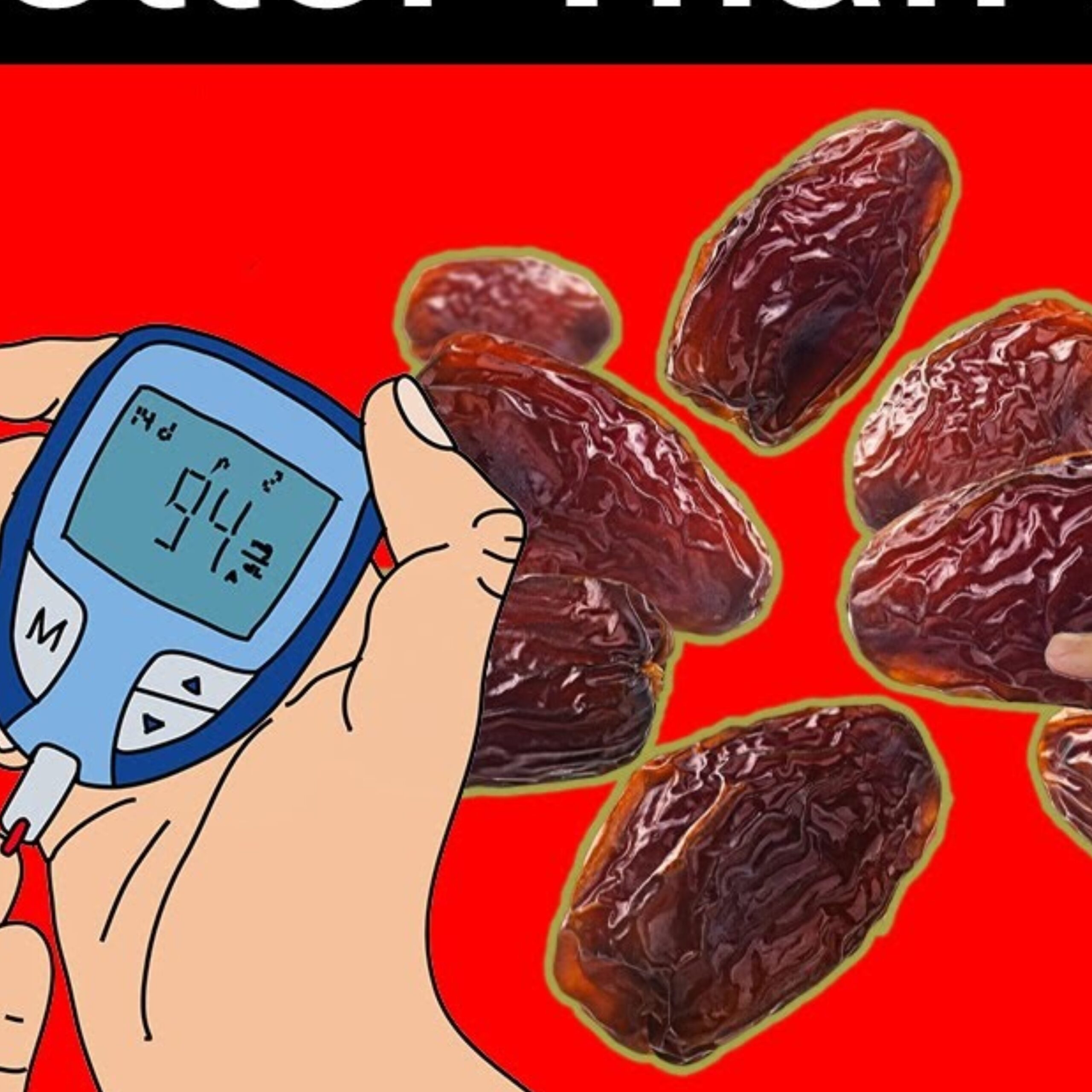
When it comes to managing blood sugar, most people are told to avoid anything sweet. And yet, one naturally sweet fruit — dates — has been consumed for centuries by people with diabetes and blood sugar concerns. So, what’s the truth?
Is it possible that dates — nature’s candy — could actually be better than medicine in some cases?
Let’s uncover the shocking truth.
🍬 Are Dates Safe for Blood Sugar?
Despite their high natural sugar content, dates have a low to moderate glycemic index (GI) — between 35 to 55, depending on the variety and ripeness. This means they don’t cause rapid blood sugar spikes, especially when eaten in moderation.
What makes dates different from processed sugar?
- Dates are whole fruits, not refined carbs.
- They contain fiber, antioxidants, and essential minerals (like potassium, magnesium, and iron).
- Fiber slows down sugar absorption, leading to more stable glucose levels.
⚖️ What the Science Says
Studies show that moderate date consumption does not significantly raise blood glucose in people with or without diabetes.
✅ A 2011 study published in Nutrition Journal found that eating 50g of dates did not cause significant spikes in post-meal blood glucose in people with type 2 diabetes.
✅ Another study in Diabetic Medicine (2002) found that dates had a lower glycemic response than white bread or pure glucose — despite tasting much sweeter.
🧠 Why Dates May Actually Help Stabilize Blood Sugar
Dates contain:
- Soluble fiber, which slows digestion and helps manage insulin response
- Polyphenols, which reduce inflammation and improve insulin sensitivity
- Magnesium, which supports blood sugar metabolism
- Natural glucose + fructose, ideal for gentle, steady energy release
Unlike refined sugar, which causes a sugar crash, dates offer sustained energy without triggering insulin resistance when consumed mindfully.
⚠️ How to Eat Dates Safely (Especially If You’re Diabetic)
If you have prediabetes or diabetes, you can still enjoy dates — but portions and pairing matter:
✅ Safe Tips:
- Stick to 1–3 dates per serving (approx. 15–20g carbs)
- Pair with a protein or fat — like almonds, Greek yogurt, or peanut butter
- Avoid blending them into smoothies or juices (which raise GI)
- Choose Medjool or Deglet Noor dates — soft, rich in nutrients
❌ Avoid:
- Processed date-based snacks with added sugars
- Overeating — more than 4–5 dates can raise blood sugar
- Eating on an empty stomach if diabetic
❤️ Better Than Medicine? For Some, Maybe Yes.
While dates aren’t a replacement for diabetes medication, they can be:
- A healthier alternative to sweets
- A source of natural energy
- Supportive in blood sugar management when eaten right
For many, switching from sugar, chocolate, or cookies to 2–3 dates with nuts has led to:
- Reduced cravings
- Fewer sugar spikes
- Better digestion
- More sustained focus and energy
✅ Recap: Benefits of Dates for Blood Sugar
| Nutrient | Role in Blood Sugar Control |
|---|---|
| Fiber | Slows sugar absorption |
| Magnesium | Improves insulin sensitivity |
| Antioxidants | Reduce inflammation |
| Natural sugars | Gentle energy boost |
🧾 Final Verdict
Dates might look like candy — but they’re smarter than they seem.
✔️ High in fiber
✔️ Low glycemic impact
✔️ Nutrient-rich
✔️ Naturally satisfying
So, are they better than medicine?
👉 In moderation, they just might complement it — naturally.