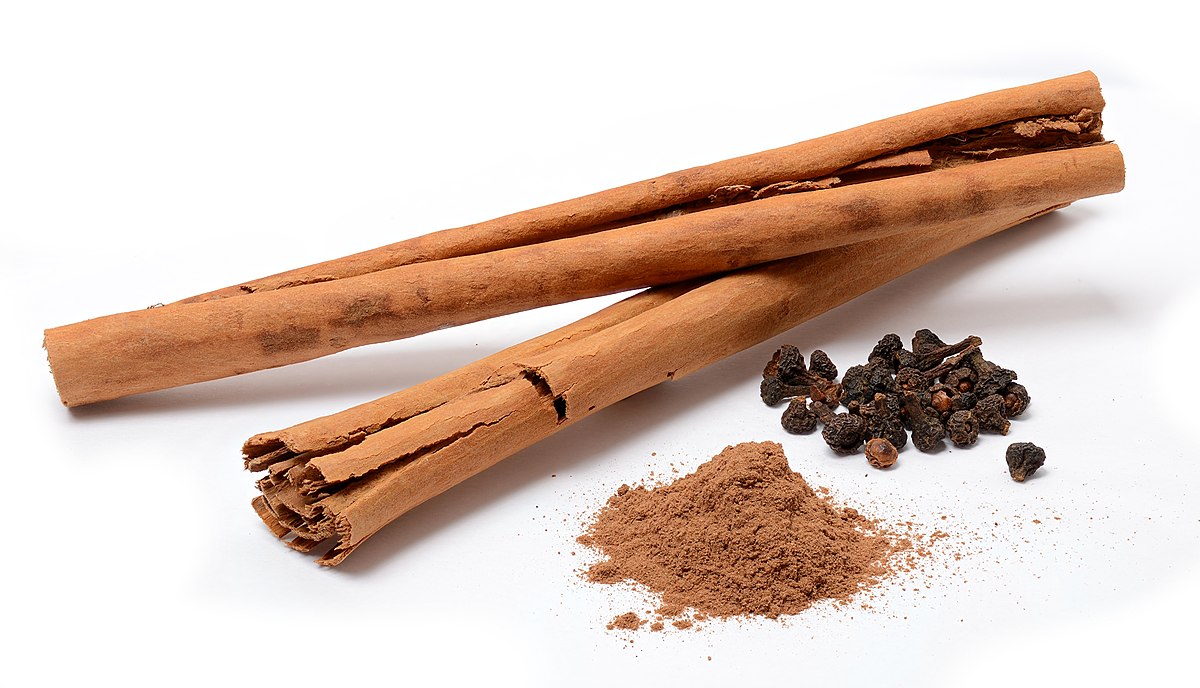
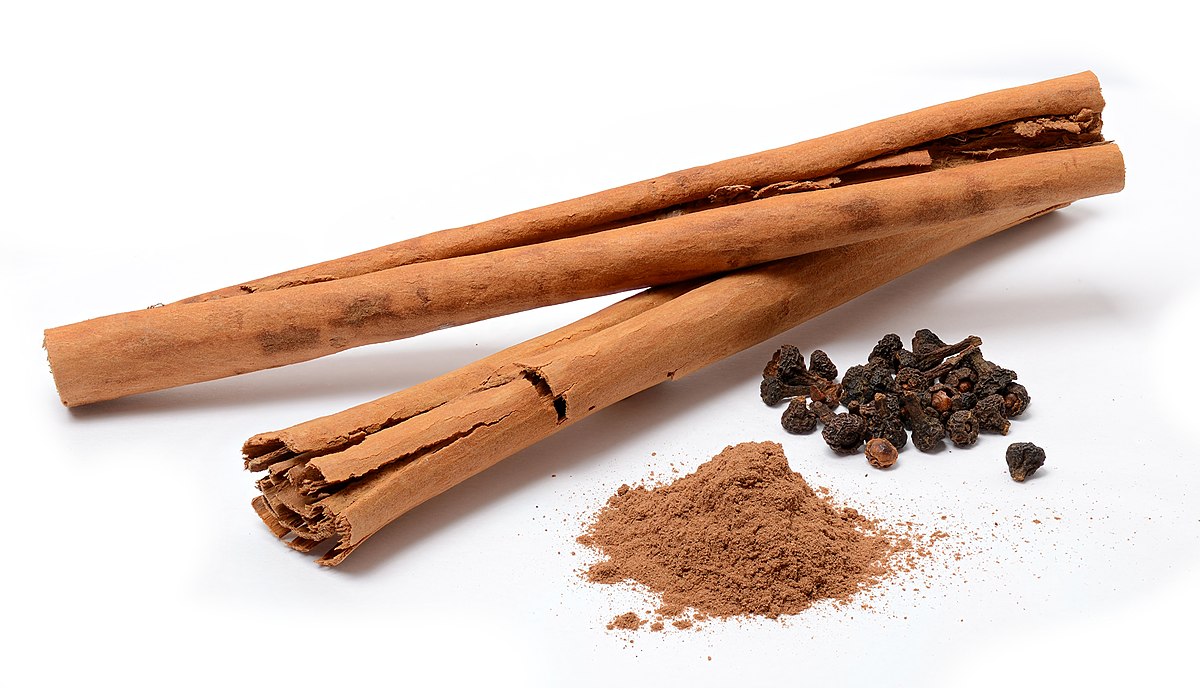
Cinnamon bark, derived from the Cinnamomum tree, is a highly aromatic spice that has been used both culinarily and medicinally for thousands of years. Known for its distinctive flavor and potent health benefits, cinnamon bark is a staple in many kitchens and medicine cabinets around the world. Here’s an overview of the benefits and uses of cinnamon bark.
Health Benefits of Cinnamon Bark
1. Anti-Inflammatory Properties Cinnamon bark contains compounds that reduce inflammation in the body, which can help alleviate symptoms of chronic diseases and reduce pain.
2. Antioxidant Effects Cinnamon is packed with powerful antioxidants, such as polyphenols, which help fight oxidative stress and may reduce the risk of chronic disease.
3. Heart Health Studies have shown that cinnamon can improve some key risk factors for heart disease, including cholesterol, triglycerides, and blood pressure levels.
4. Blood Sugar Regulation One of the most well-documented properties of cinnamon is its ability to lower blood sugar levels. It improves insulin sensitivity and has been shown to have a powerful anti-diabetic effect.
5. Antimicrobial Activity Cinnamon’s essential oils have antimicrobial properties that can help stop the growth of bacteria as well as fungi, including the commonly problematic yeast Candida.
6. Neuroprotective Properties Research suggests that cinnamon could help protect neurons against degeneration, which could potentially be beneficial in diseases like Alzheimer’s and Parkinson’s.
7. May Reduce the Risk of Cancer Some studies suggest that cinnamon may protect against cancer by reducing the growth of cancer cells and the formation of blood vessels in tumors, and by causing cancerous cells to die.
Culinary Uses of Cinnamon Bark
1. Spice in Cooking Cinnamon is a versatile spice used in a variety of cuisines, particularly in baking and desserts like cinnamon rolls, apple pies, and other pastries. It’s also commonly used in savory dishes such as curries, marinades, and stews.
2. Beverage Flavoring Cinnamon sticks are steeped in beverages like tea, hot cocoa, and mulled wine or cider to add flavor and depth.
3. Aromatic Decor Whole cinnamon sticks are sometimes used as aromatic decorations. They can be included in potpourri, wreaths, and holiday ornaments for a natural fragrance.
Other Uses
1. Natural Preservative Due to its antibacterial properties, cinnamon can be used as a natural food preservative.
2. Essential Oil Extracted from the bark, cinnamon essential oil is used in aromatherapy and topical applications for its scent and supposed health benefits, such as reducing inflammation and fighting off infections.
Safety and Consideration
It’s important to note that consuming cinnamon in large amounts can be potentially harmful due to coumarin, a naturally occurring compound found in certain varieties of cinnamon, such as Cassia cinnamon, which can cause liver damage if consumed in high doses. It’s safer to use Ceylon cinnamon, also known as “true” cinnamon, which contains much lower levels of coumarin.
Conclusion
Cinnamon bark offers a multitude of health benefits and is an incredibly versatile ingredient in both culinary and non-culinary applications. Incorporating a moderate amount of this spice into your diet can enhance flavors in your cooking and contribute positively to your health.