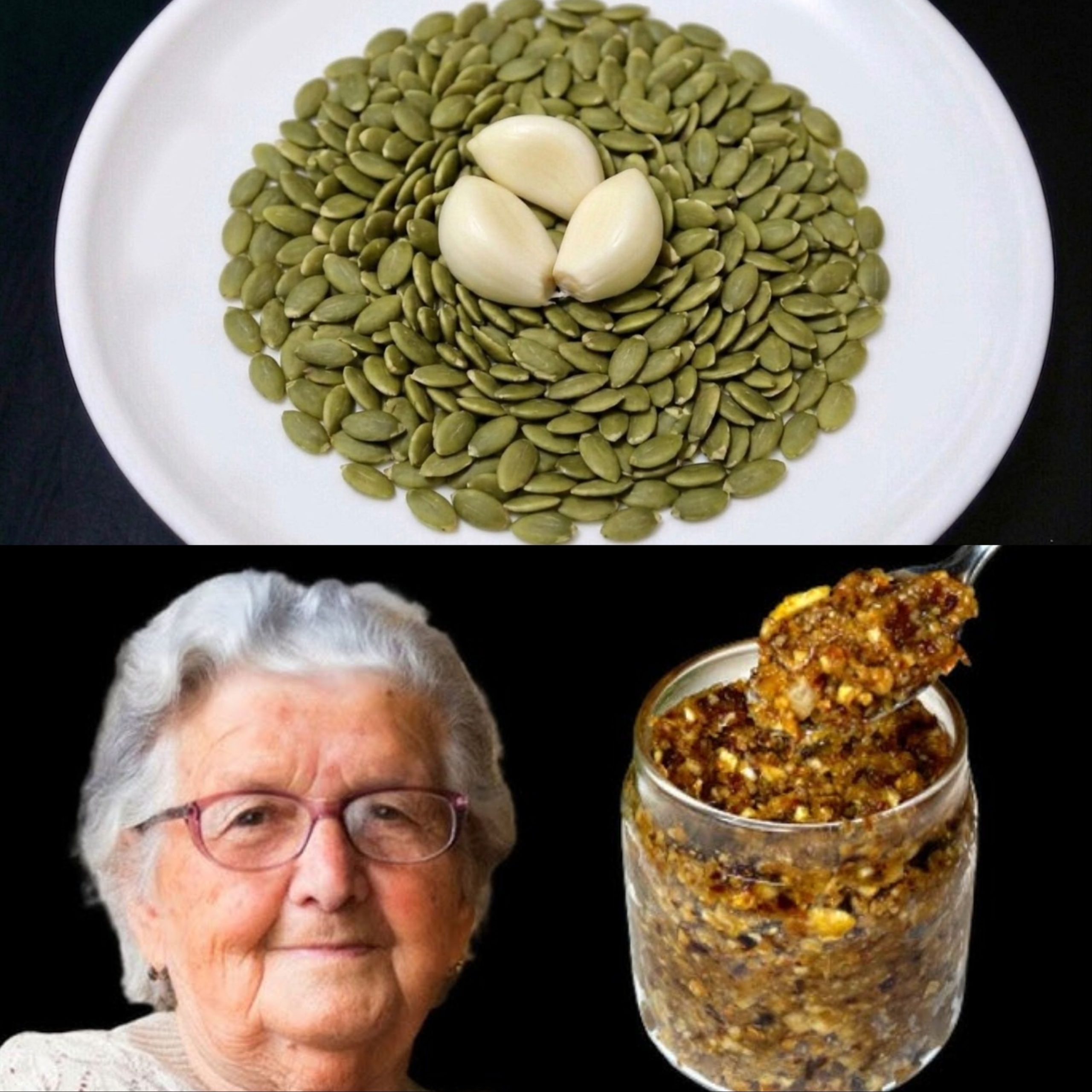
Imagine starting the day feeling light, comfortable, and calmly energized, without needing extra cups of coffee to keep you going. For many of us, that kind of steady vitality feels out of reach. Yet generations before us leaned on something beautifully simple: everyday foods that keep the gut content and the body humming along. Grandmothers everywhere knew that when the stomach is happy, everything else feels a little easier. Their secret wasn’t fancy or expensive. It was about enjoying a handful of wholesome foods each day, prepared with care and eaten with consistency.
Today, we can blend that timeless kitchen wisdom with what we now know about digestion. The result is a gentle, practical way to feel better from the inside out—one simple meal at a time. Let’s explore these familiar foods, why they work, and easy ways to welcome them onto your plate every day.
What Grandmothers Knew
Grandmothers understood, often without scientific language, that the body thrives on simple, real foods. They cooked with ingredients you could recognize: vegetables from the garden, beans simmered slowly, grains that kept you full, and a bit of fermented goodness tucked into the day. They balanced meals without obsessing over numbers, using a mix of fiber, protein, and healthy fats so you felt satisfied and steady for hours.
They also leaned on gentle methods. Vegetables were often cooked until tender, soups and stews were given time to develop flavor, and meals were eaten at regular times. These rhythms are soothing to the digestive system. Routine helps your gut know what to expect, and warm, well-cooked foods can be easier to tolerate—especially as we get older.
Why These Simple Foods Are So Potent
Modern research now confirms what many kitchens practiced for ages. Your gut is home to trillions of friendly microbes that help you digest food, make certain vitamins, support your immune system, and even influence mood and energy. When we feed these friendly microbes well, they return the favor by helping us feel more comfortable and energized.
Fiber plays a starring role. Soluble fiber, found in foods like oats, beans, and many fruits, becomes a gentle gel in the intestines, supporting regularity and steady blood sugar. Insoluble fiber, common in vegetables and whole grains, adds natural bulk to keep things moving. Together, they help you feel light and regular without harshness.
Fermented foods bring helpful live cultures to the table. Options like yogurt with live and active cultures, kefir, and fermented vegetables are like a friendly nudge for the gut. Prebiotic foods—think onions, garlic, leeks, asparagus, and bananas—feed those good microbes so they can flourish. This nourishing cycle helps ease occasional bloating, supports regularity, and encourages calm energy across the day.
Healthy fats and protein round it out. Olive oil, nuts, seeds, and fish provide fats that help the body absorb vitamins and feel satisfied, while protein supports strong muscles and a steady mood. When paired with fiber-rich foods, these nutrients help keep your energy even, without big ups and downs.
Meet Your Daily Gut-Happy Friends
One or two servings of fermented dairy can be a lovely anchor for the day. A small bowl of plain yogurt with live cultures or a glass of kefir provides friendly bacteria in a form that’s easy to enjoy. If you’re sensitive to lactose, look for lactose-free options or choose yogurt and kefir that many people find gentler than milk.
Fermented vegetables add a bright note and a small but mighty dose of live cultures. A forkful of raw sauerkraut with lunch or a little kimchi alongside dinner can make a difference. You don’t need a lot—think of it as a flavorful accent rather than a main dish. If salt is a concern, rinse lightly or choose lower-sodium varieties.
Beans and lentils are humble champions. When cooked until very tender, they are gentle on digestion and offer fiber, plant protein, and steady fuel. If beans have been tricky for you, start with small portions and consider soaking dried beans before cooking. Soups, purees, and slow-cooked stews make them especially comfortable to enjoy.
Whole grains such as oats, barley, and brown rice bring lasting fullness and calm energy. Oats can be prepared soft and creamy, barley adds heartiness to soups, and brown rice pairs beautifully with vegetables. Cooled and then gently reheated grains can also develop “resistant starch,” a form of fiber your gut microbes appreciate.
Fruits and vegetables deliver color, vitamins, and the kinds of fiber that keep everything moving. Ripe bananas, berries, apples, and pears are friendly choices. Cooked vegetables—like carrots, zucchini, spinach, green beans, or roasted sweet potatoes—are often easier on the stomach than very raw salads. If you enjoy cruciferous vegetables like broccoli or cabbage, cook them well and start with small servings.
Prebiotic favorites quietly feed your good microbes. A little garlic and onion in a soup, leeks roasted until sweet, or a few spears of asparagus with dinner all lend support without any fuss. These can be part of countless everyday recipes you already know and love.
Healthy fats tie the meal together. A drizzle of extra-virgin olive oil, a small handful of nuts or seeds, or a piece of salmon helps your body absorb fat-soluble vitamins and stay satisfied. Ground flax or chia seeds add a soothing type of fiber; when stirred into yogurt or oatmeal, they create a soft, comforting texture.
Gentle herbs and sips can be soothing companions. Ginger can calm a touchy stomach, and peppermint can feel relaxing after a meal. Warm teas, broths, and soups bring comfort and hydration—two simple gifts your digestion will thank you for.
How to Enjoy These Daily Gut-Happy Foods
Mornings are a perfect time to set the tone. A bowl of plain yogurt topped with a ripe banana and a spoonful of ground flax offers live cultures, prebiotic fiber, and healthy fats. If you prefer something warm, oats cooked until creamy and finished with cinnamon and berries can be deeply satisfying. A small glass of kefir can stand in for a smoothie, or you can blend it with fruit if you like a milder flavor.
Lunch can be simple and satisfying. A bowl of vegetable and bean soup drizzled with olive oil and a few spoonfuls of cooked barley gives you warmth and fiber in one go. If you enjoy sandwiches, choose a whole-grain bread and layer in tender greens or roasted vegetables; add a small side of sauerkraut for a bright, tangy accent.
Dinner is a wonderful time to lean into well-cooked, colorful foods. A plate might include salmon or a lean protein, a generous helping of roasted carrots and sweet potatoes, and a scoop of brown rice. If you prefer vegetarian meals, a lentil and vegetable stew with olive oil and herbs can be both hearty and soothing. Finish with a gentle herbal tea if that feels good to you.
Snacks can support your goals without weighing you down. A small handful of walnuts, a piece of fruit, a cup of kefir, or a few spoonfuls of cottage cheese can keep hunger at bay. If raw vegetables sometimes feel too rough, try lightly steamed or roasted leftovers instead of crunchy crudités.
Hydration makes everything easier. Sipping water regularly through the day helps fiber do its job. If plain water feels dull, warm up a cup and add a slice of lemon, or choose a mild herbal tea between meals. Even a small bowl of broth can be hydrating and comforting, especially on cooler days.
What You May Notice
When these foods become daily companions, many people notice more comfortable regularity. The mix of fiber and fluids supports smooth digestion without the strain. Meals can feel more satisfying, so you may find it easier to avoid energy dips and late-afternoon cravings.
Some people report less occasional bloating as the gut adjusts to a balanced mix of fiber and fermented foods. Because these changes are gentle and rooted in routine, the benefits often build quietly over time. You may also notice steadier moods and a clearer sense of energy from morning through evening, thanks to better blood sugar balance and a calmer digestive system.
A Few Helpful Tips
If you are increasing fiber, go gradually and drink water throughout the day. A sudden jump can feel uncomfortable, but a steady, gentle rise lets your body adapt. Cook vegetables until tender, especially if raw salads sometimes bother you, and enjoy soups and stews for easy, soothing nutrition.
If fermented foods are new to you, start with a spoonful or two of yogurt or sauerkraut and see how you feel. Many people do well with small, consistent amounts. If lactose is a concern, consider lactose-free yogurt or kefir, or choose fermented vegetables instead. If salt is something you are watching closely, keep portions of fermented vegetables modest or choose lower-sodium options.
Flavor can be both comforting and functional. Ginger, cinnamon, turmeric, garlic, and herbs can bring meals to life while supporting digestion in a gentle way. A drizzle of olive oil finishes vegetables beautifully and helps your body make the most of the nutrients in your meal.
Simple routines can be powerful. Eating at regular times, taking a relaxed seat for meals, and chewing slowly all send calming signals to your digestion. A short, easy walk after meals can also feel wonderful and supportive for both blood sugar and digestion.
A Friendly Reminder
The ideas here are for general wellness and are not a substitute for personal medical advice. If you have ongoing digestive discomfort, significant changes in bowel habits, or a health condition that affects what you can safely eat, it is wise to consult your healthcare professional. They can help you tailor these gentle principles to your unique needs.
A Little Wisdom Worth Sharing
It is remarkable how much steady comfort and energy can come from ordinary foods, enjoyed every day. When we choose a bowl of warm oats, a spoonful of yogurt with live cultures, a pot of bean and vegetable soup, and a splash of olive oil, we are saying yes to the kind of nourishment that has supported families for generations. These are not fads. They are familiar, affordable, and kind to the body.
As you plan your meals, think of these gut-happy friends as quiet companions that bring out your best. A little bit each day adds up. With time, your digestion may feel calmer, your energy more even, and your meals more satisfying. This is the magic of simple habits practiced with care.
Here is to feeling good from the inside out, one comforting bowl, one colorful plate, and one steady day at a time. The path is gentle, the ingredients are close at hand, and the results can touch every part of your well-being. Grandmother would approve—and your gut will, too.