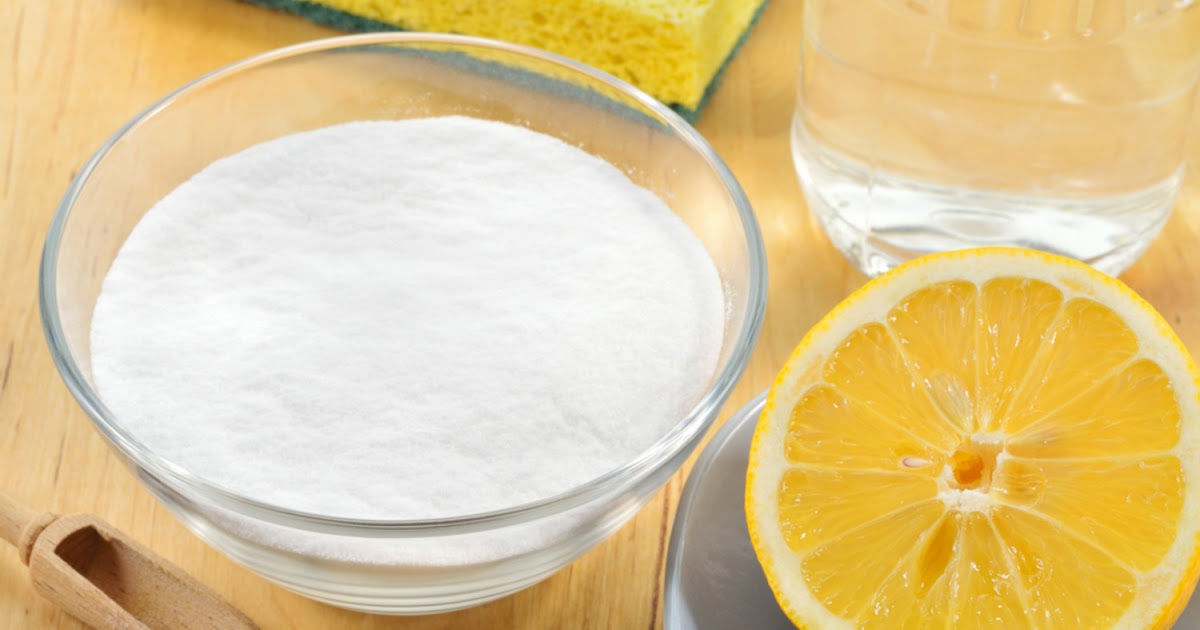
A surprisingly effective duo you probably already have
Sometimes the most useful solutions are right under our noses. A halved lemon dipped in a little baking soda can become a powerful, easy scrubber that helps clean, lift stains, and freshen surfaces around the home. It takes only a moment to prepare, it is gentle on many common materials, and it leaves behind a bright, clean scent without strong chemical odors. If you enjoy practical tips that are simple, budget friendly, and satisfying, this tiny combination is worth trying.
What makes this idea so appealing is how quickly it gets to work. Slice a lemon in half, dip the cut side in baking soda, and you have a ready-to-use tool that can tackle tough spots without much scrubbing. The results often feel instant, which is especially nice when you want things to look their best without spending all afternoon cleaning.
How this simple combo works
Lemon juice is naturally acidic. That gentle acidity helps dissolve mineral deposits, soap scum, and greasy buildup that can cling to surfaces. Baking soda, on the other hand, is mildly alkaline and slightly gritty. It adds just enough polishing power to loosen grime without acting like a harsh scouring powder. When lemon juice touches baking soda, the mixture fizzes. That tiny burst of bubbles helps lift dirt while the citrus oils leave a fresh smell.
This balance of brightening, deodorizing, and light scrubbing is why the pair is so handy for everyday messes. It is a practical choice when you want a cleaner home without a shelf full of specialty products. With a small plate of baking soda and a lemon from the fruit bowl, you are ready to handle many little challenges as they come up.
Getting started in seconds
Preparing this cleaner is as straightforward as it sounds. Cut a lemon in half crosswise to make a broad, flat surface. Sprinkle some baking soda onto a small dish or directly onto the cut side of the lemon. As soon as the lemon touches the baking soda, you will see a light foam. Hold the lemon like a short-handled scrubber and guide it over the area you want to clean using gentle pressure. When the lemon dries out, add a little more baking soda or squeeze the lemon slightly to release more juice. When you are finished, rinse or wipe away any remaining residue with a damp cloth and dry the surface for a streak-free finish.
If your skin is sensitive, consider slipping on a pair of light gloves before you begin. The lemon’s acidity can be drying, and gloves make it more comfortable to work for a longer time.
Shine up the kitchen quickly
A lemon-and-baking-soda scrubber is especially helpful in the kitchen. Stainless steel sinks and faucets often develop water spots and cloudy mineral film. Rubbing the lemon over these areas helps dissolve the film while the baking soda provides a gentle polish. After a quick rinse and dry, the steel regains its smooth shine without streaks or smudges.
Cutting boards absorb stains and odors from onions, garlic, and spices. After washing the board as usual, massage the surface with the lemon and baking soda to lift discoloration and freshen the smell. Rinse and dry thoroughly afterward. For wooden boards, keep the board lightly damp before you scrub and avoid soaking it, then stand it on edge to dry so it does not warp.
Greasy stovetops and splattered range hoods benefit from a quick pass with the lemon scrubber as well. The citrus helps break down oil while the baking soda loosens stuck-on spots. Work in small sections, wipe with a warm, damp cloth, and buff dry for a clean, even finish. If your stove has a special coating, test a small, hidden spot first to be sure the surface tolerates light abrasion.
Microwaves often trap food splatter and carry lingering smells. Dabbing the lemon half in baking soda and gently rubbing the interior loosens residue quickly. Rinse with a cloth dipped in warm water and dry to prevent water marks. The fresh scent after a quick wipe is a welcome bonus.
Make the bathroom sparkle
Soap scum on glass shower doors and ceramic tiles can dull an otherwise tidy bathroom. The lemon’s acidity softens the film so it releases with less effort. Work the lemon over the surface, let it sit for a short moment on stubborn areas, then wipe and rinse. Dry glass with a soft cloth for the clearest results.
Grout often collects discoloration that spoils the overall look of a tub or backsplash. The fine grit in baking soda, guided by the lemon, helps lift surface stains so the lines appear brighter. Apply with a gentle touch and rinse thoroughly. If your grout is colored or unsealed, try a small spot first to ensure the finish is not lightened.
Shiny taps and chrome fittings spot easily from hard water. A light rub with the lemon and baking soda removes the cloudy film and revives the gleam. Avoid scrubbing too hard, especially on older fixtures with worn plating. Rinse and dry to prevent new spots from forming.
Even the toilet bowl rim and seat hinges can benefit from a little of this mixture on a cloth to address light stains or odors. Wipe, then rinse with a damp cloth, and the area will feel noticeably fresher.
Rescue stained cups and baking dishes
Tea and coffee can leave stubborn rings in mugs that normal dish soap sometimes misses. Rubbing the inside of the cup with a baking-soda-dipped lemon gently buffs away the stain without scratching. Rinse well and enjoy a cup that looks as good as it did when new.
Baked-on residue in glass or ceramic baking dishes can also loosen under the gentle fizz of lemon and baking soda. Work the mixture over the stained area, allow it to sit briefly, and then continue to rub until the food releases. Follow up with your usual dishwashing routine and a final rinse.
Neutralize stubborn odors
Unpleasant smells often linger where water and food meet, such as in sinks and disposals. After cleaning, running the cut lemon around the drain and gently over the sink helps erase the last traces of odor. Rinse the area with warm water to remove baking soda and pulp, and the space will smell bright and clean.
Hands can also hold onto strong kitchen odors. A quick rub with the lemon half under running water helps cut the scent. If your skin is delicate, rinse promptly and use a little hand cream afterward to keep skin comfortable.
Why this method is so satisfying
Many people enjoy this cleaning approach because it is quick, low cost, and free of heavy chemical smells. It helps reduce the number of separate cleaners needed in the cupboard, and it is easy to remember how to use. The visible fizz and the immediate improvement on dull metal, stained cups, or spotted glass make the task feel rewarding, which often encourages us to keep up with small cleanups rather than letting them become big chores.
For anyone who prefers practical, straightforward solutions, the lemon and baking soda trick fits right in. It is a simple habit to adopt when you want your home to look and feel welcoming without a complicated process.
Helpful tips for best results
Mild pressure is plenty. The baking soda adds just enough texture to lift grime, so there is no need to press hard. Wipe and dry after each area to prevent streaks or light residue. If a spot is stubborn, add a touch more baking soda to the lemon, let it rest briefly on the area, and then rub again.
If you plan to clean several areas, keep a small dish of baking soda nearby to refresh the lemon as you go. When the lemon loses juice, switch to the other half or squeeze gently to release more. Once you are done, you can compost the used lemon and wipe the workspace clean.
A gentle note on safety and surfaces
Although this method is mild, it is not suitable for every surface. Avoid natural stone such as marble, travertine, and some types of granite because acids can etch and dull the finish. Steer clear of aluminum and lacquered or delicate wood finishes, which may stain or react. On painted or specialty-coated surfaces, test a discreet corner before cleaning a larger area.
Grout that is unsealed or colored may lighten with scrubbing, so try a small test first. On older fixtures with worn plating, use a cautious touch. Rinse all areas well to remove residue, and dry to keep water spots from returning.
While you may see suggestions to use lemon and baking soda for personal care like tooth whitening or facial scrubs, this is not a good idea. The acid and abrasion can be too harsh for enamel and skin. Keep this duo for household cleaning, where it truly shines.
Simple routine to keep things fresh
Consistency makes cleaning easier. When you notice water spots in the sink, a cloud on the shower door, or a faint tea ring in a favorite mug, reach for half a lemon and a sprinkle of baking soda right away. Quick attention prevents buildup from becoming stubborn, saving both time and effort. A minute here and there with this gentle scrubber can keep the most-used spaces in your home looking bright day after day.
For a regular touch-up, consider a short weekly session. Refresh the kitchen sink and faucet, wipe the stovetop, brighten the microwave interior, and give the bathroom faucets and shower door a quick pass. Rinse and dry as you go, and the results will look like you put in far more effort than you did.
Saving money and reducing clutter
One of the nicest benefits of this approach is how it simplifies your cleaning shelf. Lemons and baking soda are affordable, widely available, and multi-purpose. Instead of juggling several specialized sprays and powders, you can often handle everyday jobs with this gentle pair and a soft cloth or sponge. Fewer products also means less storage and less plastic waste, which many households appreciate.
By choosing a method that is easy to repeat, you also save time deciding what to use for each task. The less time you spend puzzling over options, the more energy you have for the parts of your day you enjoy most.
What to expect the first time you try it
Expect a light fizz, a pleasant citrus smell, and noticeably cleaner surfaces with very little scrubbing. Stainless steel will look brighter, glass will be clearer, and cups and dishes will often lose stains you thought were permanent. The process is calm and almost effortless, which makes it a nice way to tidy up between bigger cleanings. If you keep a lemon on hand and a small container of baking soda nearby, the whole task becomes second nature.
Everyone’s home is a little different, so your first session is also a chance to see how your particular surfaces respond. If you are ever uncertain, start small, go gently, and rinse well. The learning curve is short, and the payoff is quick.
Bringing it all together
Dipping half a lemon in baking soda turns an everyday fruit into a handy household helper. It clears cloudy film, softens soap scum, brightens metal, lifts stains, and freshens odors, all with a few easy motions. For a tidy kitchen and a sparkling bathroom, this simple method delivers cheerful results without fuss. It is practical, thrifty, and surprisingly satisfying.
The next time the sink looks a little spotted or a favorite mug has a ring around the inside, reach for a lemon and a bit of baking soda. A couple of minutes later, you will see why this small trick earns such big praise.