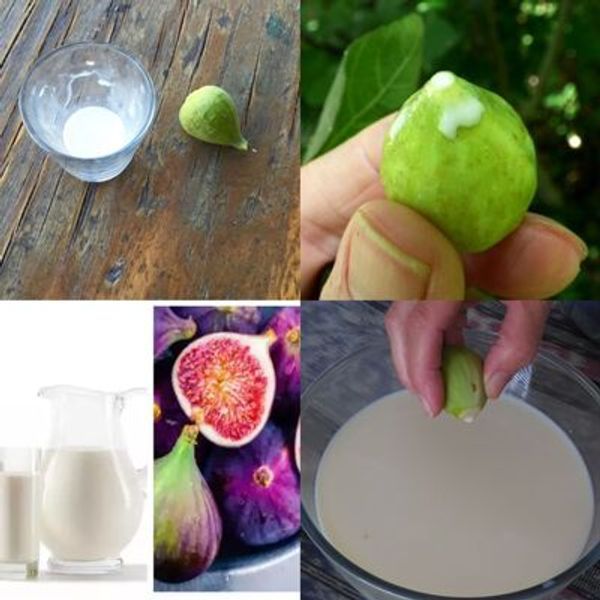
Hey there! Are you aware that fig trees offer more than just delicious fruits? They also produce a versatile sap with various uses. Let’s delve into how you can collect and utilize fig sap safely, all while embracing sustainable living practices.
Essential Tips for Collecting Fig Sap
Before embarking on your fig sap collection journey, remember these crucial points:
- Prioritize Safety: Fig sap contains latex, which can be harsh on your skin and eyes. Always wear gloves and protective eyewear when dealing with the sap.
- Timing is Crucial: Late spring to early autumn is the prime period for collecting fig sap, when the tree is in full growth mode and sap flow is at its peak.
- Healthy Trees Only: Opt for mature, healthy trees to extract sap from, ensuring you don’t burden young or weakened trees.
Steps to Collect Fig Sap
To gather fig sap successfully, equip yourself with the following tools:
- Gardening gloves
- Protective eyewear
- Sharp knife or clean cutting tool
- Collection container, such as a glass jar or plastic bowl
Follow these simple steps to safely collect fig sap:
- Prepare Your Tools: Ensure your tools are clean and sharp for a precise, tree-friendly incision.
- Choose the Right Spot: Locate a suitable area on a branch or trunk to make a small cut, avoiding any damaged or diseased areas.
- Make a Small Incision: Carefully slice into the fig tree’s bark, keeping the incision shallow and minimal to reduce harm.
- Collect the Sap: Place your container beneath the incision to capture the dripping sap, allowing it to accumulate for a few hours.
- Seal the Cut: After obtaining enough sap, safeguard the tree by sealing the incision with a natural tree sealant or covering it with smooth mud.
Diverse Uses of Fig Sap
Fig sap has served multiple purposes across different cultures:
- Natural Remedy: Diluted fig sap offers a natural solution for soothing skin irritations and addressing warts.
- Culinary Benefits: Through proper processing, fig sap can serve as a coagulant to create dairy-free cheese.
- Gardening Aid: Applying fig sap to other plants acts as a natural repellent against pests.
Engaging with fig sap not only connects you with nature but also provides an array of advantages. By adhering to these guidelines, you can responsibly collect fig sap, enriching your eco-friendly, sustainable lifestyle.
Safety Reminder: Prior to using fig sap, conduct a patch test with diluted sap to check for allergic reactions. If uncertain about handling or utilizing fig sap, seek guidance from a professional.