Welcome to the fascinating world of valuable plants, where Canapum Physalis shines as a remarkable species. Its benefits and uses are like discovering a gold mine in your own garden. In this article, we will delve into the intriguing world of Canapum Physalis, exploring its unique properties, health benefits, and various applications that make it a must-have for health-conscious gardeners like yourself.
What is Canapum Physalis?
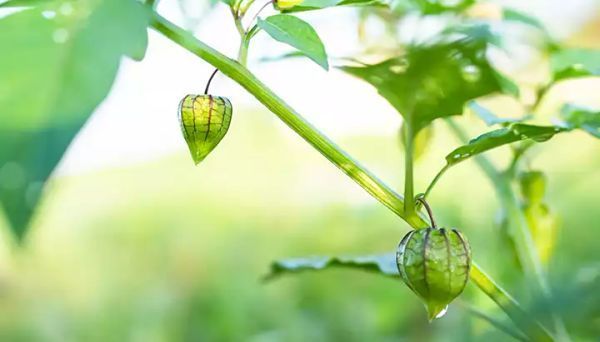
Canapum Physalis, also known as Cape Gooseberry, is a highly valuable plant belonging to the nightshade family, similar to more familiar species such as tomatoes and bell peppers. This plant is easily recognizable by its distinctive paper-like husk and small, round fruit that resembles a miniature orange lantern.
Nutritional Goldmine
Canapum Physalis is a powerhouse of vitamins and minerals. It is rich in vitamins A, C, and various B vitamins. Additionally, it boasts an abundant supply of iron, phosphorus, and calcium. This golden fruit is also packed with antioxidants, which help combat free radicals, reducing oxidative stress and preventing chronic diseases.
Health Benefits
The health benefits of Canapum Physalis are impressive. It boosts immunity with its high vitamin C content, making your immune system more effective in fighting off infections. The plant also promotes healthy vision, as vitamin A plays a crucial role in maintaining good eyesight. Furthermore, the calcium and phosphorus content in Canapum Physalis aids in strengthening bones and preventing osteoporosis.
Culinary Uses
Canapum Physalis is a versatile addition to your kitchen. You can enjoy the fruits raw, in salads, or as a tart and sweet snack. Their unique flavor also makes them an excellent base for exotic jams and preserves. Additionally, their attractive appearance makes them perfect as garnishes for desserts and festive dishes.
Gardening Tips
If you’re considering growing Canapum Physalis in your garden, here are some helpful tips. It thrives in a warm, temperate climate but can adapt to slightly cooler conditions. The plant prefers well-drained, fertile soil with a neutral to slightly acidic pH. Moderate watering is required, as it prefers drier conditions compared to other nightshade family members. Canapum Physalis can be grown from seeds, and it’s recommended to start them indoors if you live in a cooler climate and transplant them once the frost has passed. To protect the plant from common pests, you can use natural remedies such as neem oil or soap spray for pest management.
Environmental Impact
Canapum Physalis is a sustainable crop that requires minimal water and fertilizers. This makes it an excellent choice for organic and low-input gardening, reducing the environmental impact. If you’re interested in boosting your garden with organic methods, make sure to check out our article on an organic three-ingredient fertilizer.
A Plant with Promise
Canapum Physalis is more than just a plant; it’s a multipurpose asset that offers health benefits, culinary diversity, and aesthetic value to any garden. By integrating this plant into your garden, you tap into a “gold mine” of nutrients, flavors, and natural health boosters. Start growing Canapum Physalis today and enjoy the numerous benefits it brings to your table and garden.
For more insights into the health benefits of garden plants, consider reading about the surprising health benefits of dandelion seeds.