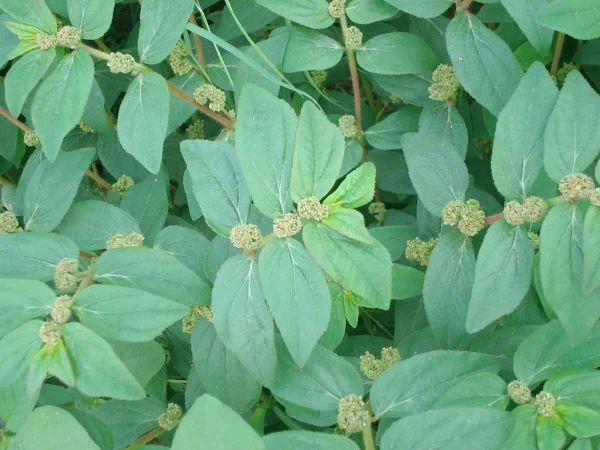
Have you ever encountered a small green plant with fuzzy stems and oval leaves known as Euphorbia hirta, or as some call it, the “Asthma-plant”? This unassuming plant, often dismissed as a weed, holds a treasure trove of health benefits, particularly in managing respiratory issues like asthma. Let’s delve into the traditional uses, advantages, and applications of Euphorbia hirta, shedding light on why it has stood the test of time as a natural remedy.
Discovering Euphorbia Hirta
Euphorbia hirta, a short perennial plant from the Euphorbiaceae family, thrives in warm tropical regions worldwide. You can spot it along roadsides, in gardens, and on disturbed soils. This plant’s anti-inflammatory, antispasmodic, and bronchodilator properties have made it a popular choice in treating respiratory conditions such as asthma and bronchitis for generations.
Time-Honored Uses and Benefits
1. Soothing Asthma and Respiratory Woes
Euphorbia hirta is revered for its ability to ease asthma symptoms. By utilizing the plant’s leaves and stems, herbalists have created remedies to address wheezing, coughing, and breathing difficulties. Its bronchodilator nature helps relax the bronchial tubes, promoting smoother airflow to the lungs. Moreover, its anti-inflammatory effects aid in reducing airway inflammation and congestion, making it a vital traditional treatment for asthma and other respiratory ailments.
2. Combatting Infections Naturally
Recognized for its antibacterial and antiviral properties, Euphorbia hirta has been a cornerstone in traditional medicine’s arsenal against infections. Extracts from the plant are utilized to combat various infections and bolster the immune system. Studies have validated its antimicrobial prowess, showcasing its effectiveness against a spectrum of bacterial strains. This makes it a compelling natural option for managing infections.
3. Digestive Harmony and Relief from Diarrhea
In traditional medicine, Euphorbia hirta is a go-to for addressing digestive concerns like diarrhea and dysentery. Its anti-inflammatory and antispasmodic traits work together to alleviate gut inflammation and spasms, bringing relief from gastrointestinal discomfort and cramping. Communities in certain regions consume Euphorbia hirta tea to ease stomach pain and cleanse the digestive tract naturally.
4. Alleviating Pain and Inflammation
Herbal practitioners have revered Euphorbia hirta for its analgesic and anti-inflammatory properties. Whether applied topically or consumed as a decoction, it proves effective in relieving pain and inflammation from conditions like arthritis, joint pain, and headaches. Its anti-inflammatory abilities also aid in managing skin conditions, offering a natural remedy for minor injuries and ailments.
5. Supporting Menstrual Health
Euphorbia hirta shines in women’s health by aiding in regulating menstrual cycles and easing menstrual discomfort. Its antispasmodic properties help mitigate cramps, while its mild estrogenic effect assists in hormonal balance. In some cultures, a tea derived from Euphorbia hirta is imbibed to address menstrual pain, heavy bleeding, and menopausal symptoms.
6. Enhancing Urinary Tract Health
For centuries, Euphorbia hirta has been a stalwart in addressing urinary tract infections and other urinary health issues. The plant’s diuretic properties aid in flushing out toxins and thwarting bacterial buildup in the urinary tract. Traditional healers craft infusions of Euphorbia hirta to ease UTI symptoms and fortify overall urinary health.
The Magic of Active Compounds
Euphorbia hirta’s healing properties stem from its bioactive compounds, including alkaloids, flavonoids, phenols, and tannins. These compounds collaborate to deliver the following effects:
- Antioxidant: The flavonoids and phenols in Euphorbia hirta boast antioxidant qualities that counteract free radicals and diminish oxidative stress.
- Anti-inflammatory: Tannins found in the plant contribute to its anti-inflammatory prowess, mitigating internal and external inflammation and swelling.
- Bronchodilator: Alkaloids present in Euphorbia hirta confer bronchodilator effects, aiding in bronchial tube relaxation for easier breathing during asthma episodes.
Incorporating Euphorbia Hirta in Your Routine
1. Embrace Infusions and Teas
An easy method is by brewing an infusion or tea using dried or fresh Euphorbia hirta leaves and stems. This traditional tea is consumed to alleviate asthma symptoms, coughs, digestive issues, and menstrual discomfort. It’s advisable to consume in moderation due to its potent nature.
2. Harness the Power of Poultices and Topical Applications
For pain relief and treating skin infections, Euphorbia hirta can be used externally as a poultice. Crush or grind the fresh leaves to form a paste, applying it to the affected area. This application works wonders for wounds, minor skin issues, and swelling, thanks to its antibacterial and anti-inflammatory properties.
3. Exploring Extracts and Tinctures
In the realm of traditional herbalism, Euphorbia hirta is formulated into extracts or tinctures. These concentrated forms encapsulate the plant’s active compounds, offering a potent treatment for respiratory issues, digestive troubles, and immune support.
4. Opting for Capsules and Powders
For a standardized approach, Euphorbia hirta is available in capsule or powdered form in select herbal supplement markets. These convenient preparations allow for easier dosage management, providing a hassle-free way to reap the plant’s benefits without the need for fresh or dried herbs.
Safety First: Precautions and Considerations
While Euphorbia hirta is generally safe in moderate, traditional usage, exercising caution is paramount. Here are some safety considerations:
- Pregnancy and breastfeeding: Avoid Euphorbia hirta during pregnancy and breastfeeding due to limited research on its effects.
- Allergic reactions: Some individuals may experience skin irritation or allergies when handling or consuming Euphorbia hirta. Perform a patch test before applying topically.
- Dosage: Overconsumption may lead to adverse effects, especially for those sensitive to plants in the Euphorbiaceae family. Consult with an herbalist or healthcare professional before incorporating Euphorbia hirta into your regimen.
In Closing
Euphorbia hirta, dubbed the “Asthma-plant,” holds a special place in traditional medicine, offering a plethora of health benefits for respiratory wellness, digestive harmony, and pain relief, among other advantages. Its efficacy and versatility shine through various applications, from infusions to topical remedies. As interest in herbal medicine burgeons, Euphorbia hirta stands as a bridge between age-old wisdom and contemporary wellness practices, capturing the attention of both traditional healers and modern researchers alike.