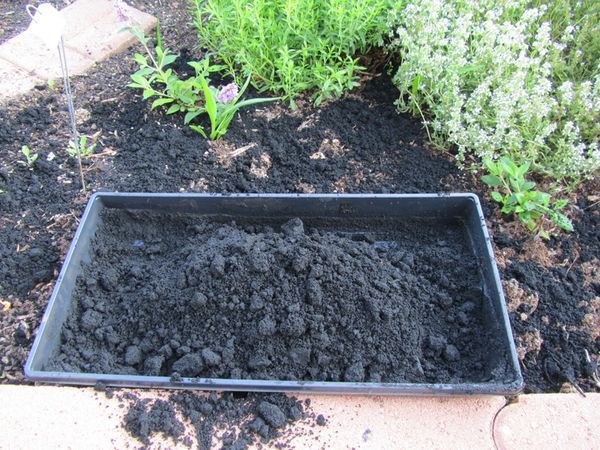
Have you ever thought about using charcoal as a fertilizer for your plants? It’s not just for grilling—it’s actually a fantastic natural fertilizer packed with nutrients that can work wonders for your greenery. The best part? It won’t cost you a thing if you have leftover charcoal from your barbecue or fireplace.
Why Charcoal Works as Fertilizer
Charcoal contains essential minerals like potassium, calcium, and magnesium that are vital for plant growth. Additionally, it helps improve soil drainage, prevent waterlogging, balance soil pH, and even repel pests. Think of it as a natural way to store carbon, keeping nutrients and water in the soil longer.
How to Prepare Charcoal Fertilizer
What You Need:
- Leftover charcoal (preferably natural and untreated)
- A hammer or mortar and pestle
- Water
- Optional: Compost or organic matter
Steps:
- Crush the Charcoal: Break the charcoal into small pieces or powder for easier absorption by your plants.
- Activate the Charcoal: Soak the crushed charcoal in water to allow it to absorb nutrients.
- Mix with Soil or Compost: Combine the activated charcoal with your soil or compost at a ratio of 1:4.
- Apply to Plants: Spread the mixture around the base of your plants, gently working it into the soil.
Using Charcoal for Different Plants
- For Potted Plants: Improve drainage and prevent root rot by adding a layer of crushed charcoal at the bottom of pots.
- For Vegetables: Enrich your vegetable garden soil by mixing in charcoal for added nutrients.
- For Flowering Plants: Boost blooms by sprinkling powdered charcoal around the base of your flowers.
Tips for Success
- Choose natural, untreated charcoal to avoid harmful chemicals.
- Fertilize your plants every 4–6 weeks for optimal growth.
- Combine charcoal with organic fertilizers like compost for maximum benefits.
Benefits of Charcoal for Your Garden
- Healthier plants with stronger roots and lush growth.
- Reduced soil acidity and prevention of nutrient loss.
- Protection against pests and fungal infections.
In conclusion, charcoal is a budget-friendly, eco-conscious, and incredibly effective way to nourish your plants. Whether you have a small garden or a large variety of plants, this natural fertilizer can keep your greenery thriving. So, why not give it a try today? It’s free, simple, and offers a host of benefits for your garden! 🌱✨