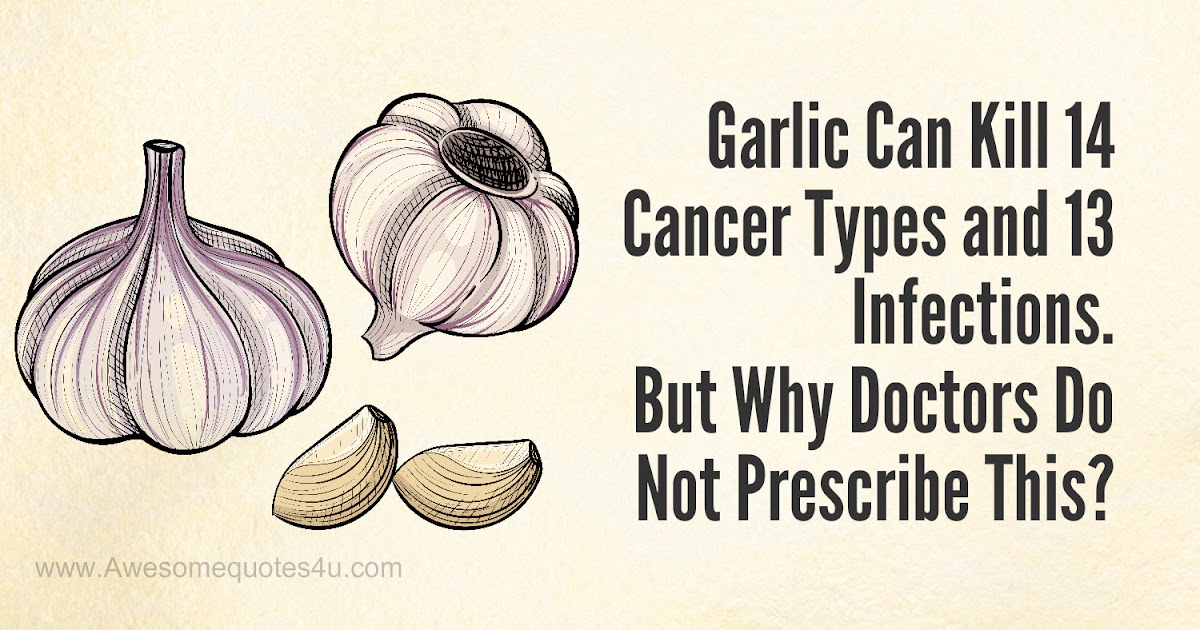
Garlic has long been celebrated for its remarkable health benefits. Known for adding flavor to a wide array of dishes, this humble bulb boasts potent medicinal properties. It has been particularly esteemed for its potential in combating a variety of ailments, showing promise against 14 types of cancer and numerous infections.
The story of garlic dates back thousands of years. Ancient civilizations recognized its potent properties and often used it as a remedy. In modern times, scientific studies have lent credence to these traditional uses, showcasing garlic’s multifaceted health benefits. However, despite its impressive credentials, it’s not commonly prescribed by doctors. Let’s explore why.
The Potent Power of Garlic
Garlic contains a unique compound known as allicin, which is responsible for most of its medicinal effects. Allicin boasts powerful anti-inflammatory, antifungal, and antimicrobial properties, making it an excellent natural remedy for a variety of health issues.
Studies suggest that garlic can help reduce the risk of heart disease by lowering cholesterol and blood pressure. Furthermore, its antioxidant properties have shown promise in reducing the risk of certain cancers, particularly in the stomach and colon.
Why Isn’t Garlic a Common Prescription?
Despite these benefits, garlic is rarely found in a doctor’s prescription pad. The reasons for this are multifaceted. Firstly, while garlic shows potential in the lab, translating these effects into clinical practice is complex. Medical treatments require standardized doses, and the potency of garlic can vary significantly depending on factors such as how it’s stored and processed.
An additional complicating factor is that medical professionals often rely on treatments that are supported by extensive clinical trials. While garlic has been the subject of many studies, these are often small and vary in their findings. More large-scale, rigorous trials would be needed to make garlic a formal part of medical prescriptions.
Incorporating Garlic into Your Diet
While you might not find this potent bulb in a prescription, you can certainly include it in your diet. Fresh garlic is a convenient and flavorful addition to meals. It can be consumed raw or cooked, although cooking can reduce some of its active compounds.
For those not keen on the taste or smell, garlic supplements are an alternative. It’s worth noting that before adding any new supplement to your regimen, it’s a good idea to discuss it with a healthcare provider, especially for those on medication or with medical conditions, as garlic can interact with certain drugs.
The Balance Between Nature and Medicine
Garlic’s case illustrates the broader conversation about natural remedies in healthcare. While many plants and herbs offer health benefits, integrating them into conventional medicine often involves navigating challenges like standardized dosing and the rigor of clinical trials.
Nonetheless, garlic remains a strong symbol of nature’s power to promote health. It serves as a reminder that our dietary choices can significantly impact our wellbeing. Embracing garlic and other natural remedies, alongside conventional medicine, can contribute to a holistic approach to health.
Ultimately, the choice to use garlic or any natural treatment should be informed and tailored to individual health needs. As more research emerges, perhaps we’ll see a shift in how natural remedies like garlic are integrated into health care practices.