Garlic has a powerful reputation. What does it really do?
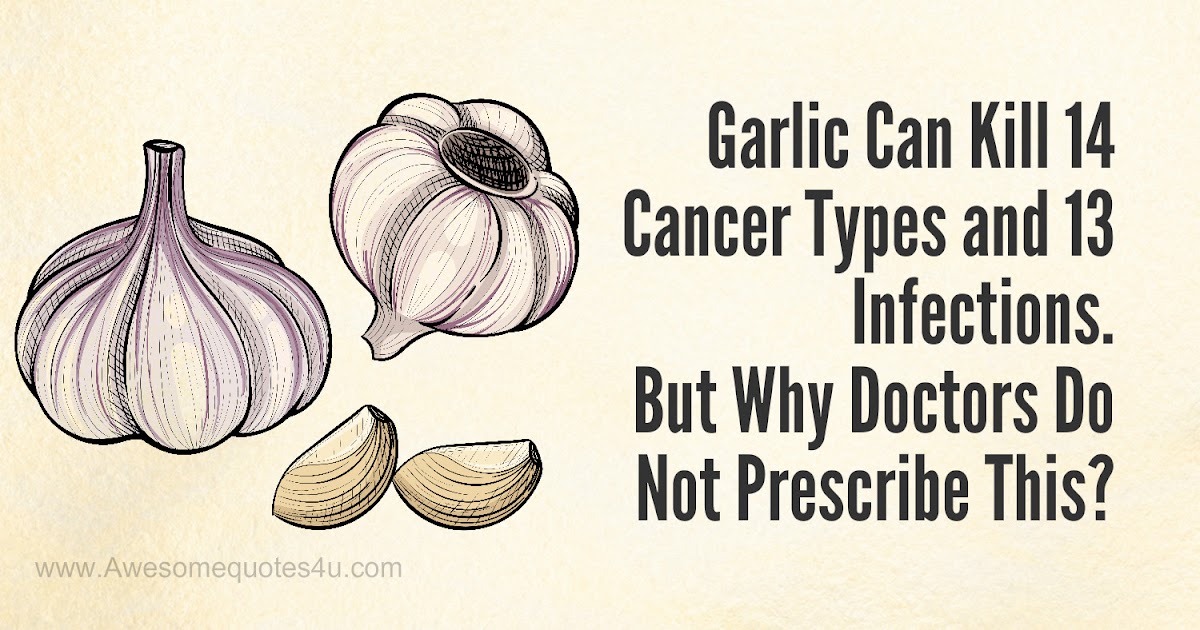
Garlic has been part of home cooking and traditional remedies for generations. You may have heard bold claims that it can fight many kinds of cancer or wipe out infections, and you might wonder why, if it is so effective, doctors do not write a prescription for it. The short answer is that garlic does have promising properties, but the full story is more nuanced. Understanding what scientists know, what remains uncertain, and how to use garlic safely can help you make smart choices for your health.
It is true that garlic has been studied for its potential to protect our health. Many of these studies are eye-catching and often shared widely. But there is a big difference between what researchers observe in a laboratory and what doctors can reliably prescribe to people. Let’s take this step by step in clear, everyday terms so you can separate helpful facts from hopeful headlines.
What is inside garlic that makes it interesting to researchers?
Garlic contains natural substances called organosulfur compounds. One of the most talked-about is allicin. Allicin does not exist in the clove until you crush or chop it. When you break the clove, an enzyme goes to work and creates allicin, which is responsible for garlic’s strong smell and many of its studied effects.
In test tubes and in animal studies, compounds from garlic have shown the ability to slow the growth of certain cells, reduce inflammation, and affect how microbes like bacteria and fungi behave. This is the kind of early-stage research that gets people excited. However, what happens in a dish under a microscope or in a mouse is not the same as what happens in the complex human body. The amounts used in lab experiments are often much higher than we can safely or practically get from food, and our bodies digest and transform these compounds in ways that can change their effects.
Garlic and cancer: promising hints, not a cure
You may have heard statements that garlic can “kill” a long list of cancers. Here is what the evidence actually shows. In laboratory settings, garlic extracts and related compounds can sometimes slow the growth of certain cancer cells or encourage them to self-destruct. These observations have sparked interest in cancers of the digestive tract such as stomach and colorectal cancers, as well as research into breast, prostate, and other cancers.
Beyond laboratory work, some population studies have noticed that people who regularly include garlic and other allium vegetables like onions and leeks in their diets may have a slightly lower risk of certain cancers. These studies are encouraging, but they also have limits. People who eat more garlic may also have other healthy habits, such as eating more vegetables overall, moving their bodies more often, or smoking less. It is hard to separate the benefits of garlic from the benefits of a generally healthy lifestyle using these types of studies.
When we look for the strongest type of proof—carefully controlled clinical trials in people with clearly measured outcomes—the picture is more cautious. There is not enough high-quality evidence to say that garlic treats cancer or that it can replace proven cancer therapies. Doctors do not prescribe garlic as a cancer treatment because it has not met the strict standards required to show that it works safely and consistently in real patients the way approved medicines do.
That does not make garlic unimportant. It simply means the right place for garlic is as part of a healthy diet rather than as a medicine to cure cancer. Enjoying garlic in your cooking may support overall wellness, and it adds flavor that can help you choose home-cooked meals over heavily processed options. Think of it as one piece of a big picture that includes regular screenings, balanced eating, physical activity, and following your healthcare provider’s advice.
Garlic and infections: helpful in the lab, not a replacement for treatment
Garlic has also been studied for its activity against microbes such as bacteria, fungi, and some viruses. In test tubes, garlic’s compounds can interfere with the growth of certain germs, and this is why you often hear that garlic can “fight infections.” This research is interesting, especially as scientists look for new ways to tackle germs that have become resistant to antibiotics.
However, the leap from a laboratory result to a safe and reliable human treatment is large. If you are fighting a serious infection, such as pneumonia, a urinary tract infection, or a deep skin infection, garlic is not a substitute for medical care. Proper diagnosis and, when needed, antibiotics or other treatments can be lifesaving. Garlic can be a flavorful part of meals when you are well, but it is not a self-treatment for infections.
You might also have heard that garlic can prevent or shorten colds. A few small studies suggest a modest benefit for some people, but the results are mixed, and not every person will notice a difference. The best-supported ways to reduce infection risk still include washing your hands, staying up to date on recommended vaccines, getting enough sleep, and managing stress.
So why do doctors rarely prescribe garlic?
It is a fair question. If garlic shows promise, why not give it as a prescription? The first reason is that prescriptions need very strong proof. Medicines are approved only when large, well-designed studies in people show clear benefits that outweigh the risks. Garlic has exciting early research, but it has not passed that level of testing for cancer treatment or for treating infections in people.
The second reason is dosing. In the kitchen, garlic cloves come in different sizes, and people prepare them in different ways. Crushing, chopping, cooking time, and heat all change how much allicin and other compounds are available. Supplements vary widely from one brand to another. Without a consistent, reliable dose, it is hard for a doctor to prescribe garlic and know what effect to expect from patient to patient.
The third reason is safety in certain situations. Although garlic is generally safe as a food, it can cause problems for some people. It can interact with blood thinners and medicines that affect platelets. It can increase the risk of bleeding during and after surgery or dental procedures. It can also cause heartburn, stomach upset, or reflux in sensitive individuals. On the skin, raw garlic can cause burns if applied directly for more than a short time, and this risk is higher in older adults with fragile skin. Doctors are careful to recommend treatments that have been well tested for safety as well as benefit, especially for people who take multiple medications or have chronic conditions.
How to enjoy garlic safely and get the most benefit
Food first is a simple and sensible approach. Using garlic regularly in your meals is a flavorful way to support a healthy diet. If you like fresh garlic, try this tip used by many home cooks: crush or chop the cloves and let them rest for about ten minutes before cooking. This brief rest gives the enzyme time to create allicin. If you are going to cook the garlic, adding it later in the cooking process or using moderate heat can help preserve more of these delicate compounds while still delivering delicious taste.
Cooked garlic is easier on the stomach for many people, and it still brings plenty of enjoyable flavor. Roasted garlic, for example, becomes sweet and mellow and can be spread onto whole-grain toast or stirred into soups and stews. If raw garlic tends to bother your stomach, do not force it. There is no need for extreme amounts. A small, regular amount as part of a balanced diet is a reasonable goal for most people.
What about supplements? Some people consider aged garlic extract or other garlic capsules. Keep in mind that supplements are not regulated as strictly as prescription medicines, and products can vary in dose and quality. If you are thinking about a supplement, especially if you take blood thinners, antiplatelet medicines, or have a surgery scheduled, talk with your healthcare professional first. They can help you weigh the potential benefits and risks in your situation and, if appropriate, suggest a reasonable option.
Setting realistic expectations
Garlic is not a magic cure, and it should not replace treatments that have strong evidence behind them. Many people find it encouraging to think of garlic as part of a heart-healthy, plant-forward eating pattern. Research suggests that garlic may help with modest improvements in cholesterol or blood pressure for some people, though the effects are usually small and vary from person to person. The biggest gains in heart and overall health still come from the basics: eating a variety of fruits and vegetables, choosing whole grains, staying active, avoiding tobacco, managing stress, and getting enough rest.
If you or a loved one has cancer, it is understandable to hope that a common kitchen ingredient might make a big difference. Hope is valuable, but it is also important to rely on treatments proved to work. Garlic can belong in your meals during and after treatment if your care team says it is appropriate for you, but it is not a substitute for chemotherapy, radiation, surgery, targeted therapies, or other recommended care. Always let your oncology team know about any supplements or herbal products you are considering, because they can interact with treatments.
Common questions people ask
Can garlic cure cancer? No. While compounds in garlic have shown interesting effects in lab studies, there is not enough reliable human evidence to say garlic cures cancer. Doctors do not prescribe garlic for this purpose because it has not been proven to work as a treatment in people.
Can I use garlic instead of antibiotics? No. If you have a bacterial infection that your doctor says needs antibiotics, it is important to take the medicine as directed. Garlic is not a replacement, and delaying the right treatment can allow an infection to worsen.
Is it safe to put raw garlic on the skin or in the ear or nose to treat infections? This is not recommended. Raw garlic can burn the skin and delicate tissues, especially if left on for more than a short time. If you have a skin or ear problem, seek medical advice for safe options.
Should I stop garlic before surgery or dental work? Many providers recommend stopping garlic supplements one to two weeks before procedures because of bleeding risk. If you eat a normal amount of garlic in food, ask your provider for guidance based on your health and the type of procedure.
How scientists continue to study garlic
Researchers are still actively exploring garlic and its compounds. New studies aim to understand the best ways to prepare garlic, how much might be useful, and which people could benefit most. Scientists are also looking at whether certain standardized extracts might offer more consistent results than raw cloves. This kind of careful research takes time, but it is the right path to find out what truly helps and what does not.
As this research unfolds, a balanced view serves us well. Celebrate garlic as a time-honored ingredient that brings joy to the table. Welcome the possibility that it may contribute to health in small but meaningful ways, especially as part of an overall healthy lifestyle. At the same time, lean on proven medical care when you need it, and use garlic sensibly and safely.
The bottom line
Garlic has a big reputation, and for good reason. In the laboratory, its natural compounds can affect cancer cells and microbes. In everyday life, however, garlic is best viewed as a flavorful part of a healthy diet rather than as a prescription treatment. Doctors are careful about what they prescribe because they must rely on strong, consistent evidence from studies in people, clear dosing, and well-understood safety. Garlic does not yet meet those standards for treating cancer or infections.
If you enjoy garlic, keep it in your kitchen and on your plate. Chop or crush it, let it rest briefly, and cook it gently to keep the flavor and potential benefits. If you are considering a supplement, or if you take medicines or have upcoming surgery, talk with your healthcare professional. With this practical approach, you can appreciate garlic’s strengths while protecting your health and getting the care you need when it matters most.