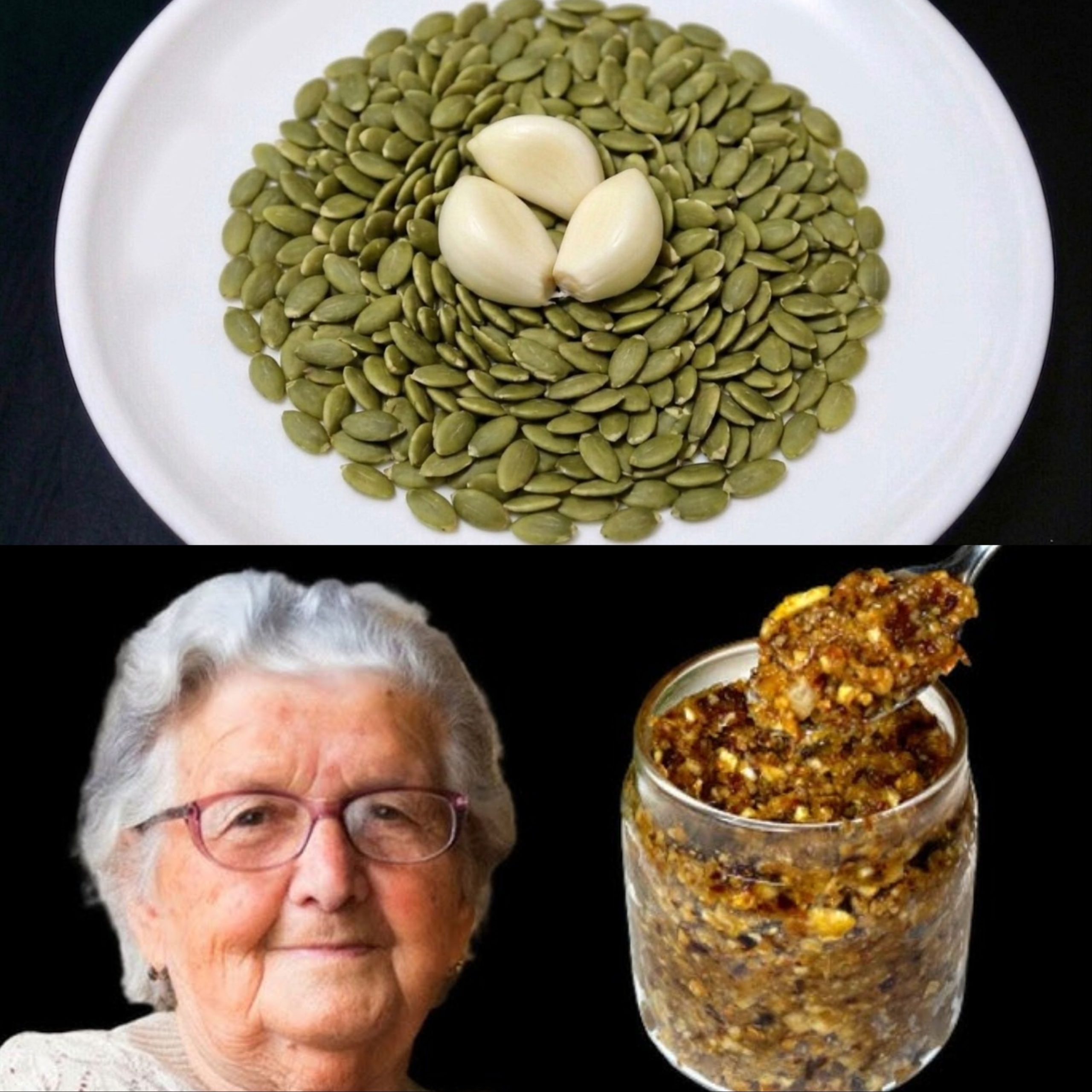

Flax seeds, also known as linseeds, are tiny seeds packed with incredible health benefits. Loaded with nutrients, they are considered one of the most powerful plant-based foods on the planet. Incorporating flax seeds into your diet can improve your overall health, from boosting digestion to promoting heart health. Here’s why these little seeds deserve a place in your daily routine.
Nutritional Profile of Flax Seeds
Flax seeds are rich in:
- Omega-3 Fatty Acids: Specifically alpha-linolenic acid (ALA), a plant-based omega-3 that supports heart and brain health.
- Fiber: Both soluble and insoluble, promoting digestive health and controlling blood sugar.
- Lignans: Plant compounds with antioxidant and estrogen-like properties.
- Protein: A plant-based source of protein that supports muscle repair and growth.
Health Benefits of Flax Seeds
- Supports Heart Health
- Omega-3 fatty acids help lower bad cholesterol (LDL) and reduce blood pressure.
- Lignans and fiber further promote cardiovascular health by reducing inflammation and preventing arterial plaque buildup.
- Aids Digestion
- The high fiber content in flax seeds supports healthy bowel movements and prevents constipation.
- Soluble fiber feeds beneficial gut bacteria, improving overall gut health.
- Helps Manage Diabetes
- Flax seeds help regulate blood sugar levels by slowing glucose absorption, making them beneficial for people with type 2 diabetes.
- Promotes Healthy Skin and Hair
- Omega-3s and antioxidants in flax seeds hydrate the skin and reduce inflammation, while vitamin E supports hair growth and scalp health.
- Supports Weight Management
- Flax seeds are high in fiber and protein, which help keep you feeling full longer, reducing overeating and aiding weight loss.
- Reduces Inflammation
- The omega-3s and lignans in flax seeds have anti-inflammatory properties, helping manage conditions like arthritis and other inflammatory diseases.
- May Reduce Cancer Risk
- Lignans have been shown to reduce the risk of hormone-related cancers, such as breast and prostate cancer, by balancing estrogen levels.
- Balances Hormones
- The phytoestrogens in flax seeds help regulate hormone levels, alleviating symptoms of menopause and improving reproductive health.
How to Incorporate Flax Seeds into Your Diet
- Ground Flax Seeds: Grinding makes the nutrients more bioavailable. Add them to smoothies, oatmeal, or yogurt.
- Baking: Include flax seeds in baked goods like muffins, bread, or cookies.
- Sprinkle on Salads: Add whole or ground flax seeds to salads for a nutty crunch.
- As an Egg Substitute: Mix 1 tablespoon of ground flax seeds with 2.5 tablespoons of water to replace 1 egg in recipes.
Tips for Using Flax Seeds
- Start Slowly: If you’re new to flax seeds, introduce them gradually to avoid digestive discomfort.
- Store Properly: Keep ground flax seeds in an airtight container in the refrigerator to prevent rancidity.
- Drink Plenty of Water: Flax seeds absorb water, so staying hydrated is essential to avoid bloating.
Incorporate Flax Seeds for a Healthier You
Flax seeds are an incredibly versatile and nutritious addition to any diet. Whether you’re looking to improve heart health, manage weight, or boost digestion, these tiny seeds offer a wealth of benefits. Add them to your daily meals and enjoy the transformative effects on your health! ?✨