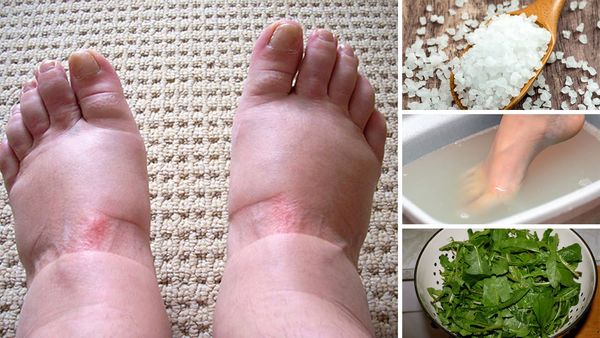
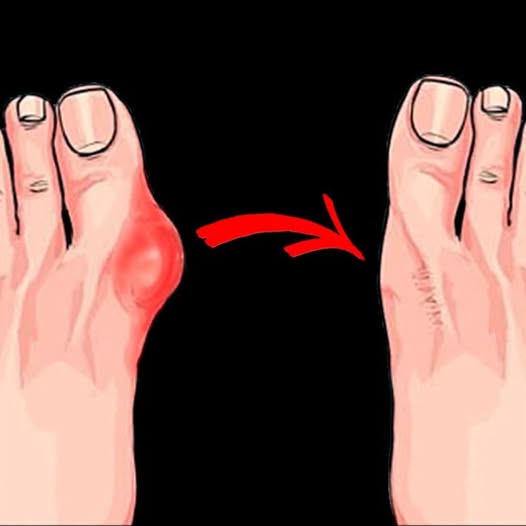
Swollen feet can be uncomfortable and even painful, especially for older adults. There are many factors that can contribute to this condition, such as prolonged standing, pregnancy, or underlying health issues. If you’re experiencing swollen feet, here are several effective home remedies that can help reduce swelling and alleviate discomfort.
1. Elevate Your Feet
Whenever you’re sitting or lying down, make sure to elevate your feet above the level of your heart. You can use pillows or cushions to prop them up. This simple action helps improve circulation and reduces fluid retention in your legs and feet. Try to do this several times a day, especially after long periods of standing or sitting.
2. Stay Hydrated
Drinking plenty of water is crucial for reducing swelling. It helps flush toxins and excess salt from your body, which can contribute to swelling. Aim to drink at least 8-10 glasses of water a day, and even more if you are active or in hot weather.
3. Reduce Salt Intake
Excess salt in your diet can cause your body to retain more fluid, leading to swelling in your feet. Try to avoid processed foods and season your meals with herbs and spices instead of salt. This small change can make a big difference.
4. Exercise Regularly
Regular, gentle exercise is beneficial for stimulating blood circulation and preventing fluid buildup in your legs and feet. Activities like walking, swimming, or cycling are great options. Aim for at least 30 minutes of moderate exercise most days of the week.
5. Massage
Giving your feet a gentle massage can help improve circulation and reduce swelling. Use firm strokes and massage towards your heart. You can use a moisturizing lotion or oil to help your hands move smoothly over your feet.
6. Soak in Epsom Salts
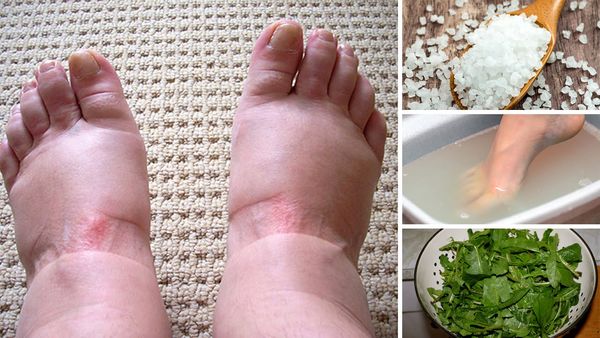
Fill a basin with warm water and add half a cup of Epsom salt. Soak your feet in this solution for 15-20 minutes. Epsom salt can help reduce swelling and soothe sore muscles.
7. Wear Compression Stockings
Compression stockings are specially designed to promote circulation and reduce swelling in your feet and legs. Wear them during the day, but make sure to remove them at night for comfort.
8. Cold Compress
Applying a cold compress or immersing your feet in cold water for a short period can help reduce swelling. However, remember not to apply ice directly to your skin and limit cold exposure to 15-20 minutes at a time to avoid skin damage.
9. Avoid Tight Footwear
Wearing comfortable and supportive shoes is essential to promote proper circulation. Avoid tight socks or shoes that can restrict blood flow to your feet.
10. Dietary Changes
Including foods rich in magnesium and potassium in your diet can help reduce swelling. Bananas, avocados, and leafy greens are excellent sources of these nutrients.
Conclusion
While these home remedies can be effective for mild swelling, it’s important to consult with a healthcare provider if your swollen feet persist, are accompanied by pain, or occur alongside other symptoms like fatigue or weight gain. These could be signs of a more serious underlying condition that requires medical attention. Take care of your feet and prioritize your well-being.