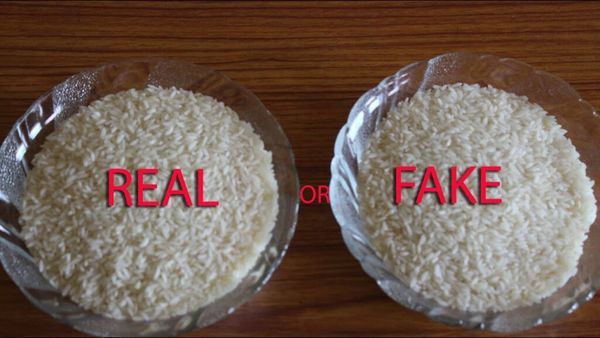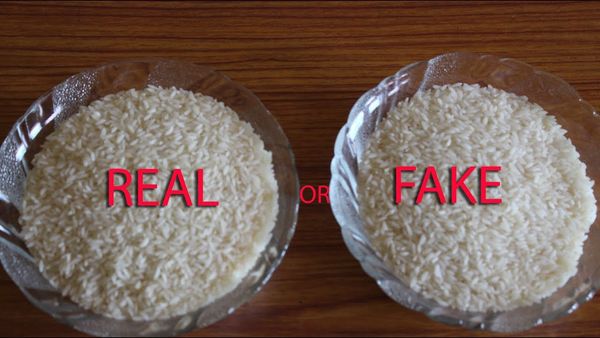
Concerns about plastic rice, a fake version of rice made from synthetic materials, have alarmed many consumers in recent years. While it’s rare, it’s important for consumers between 45 – 65 years old to know how to distinguish real rice from plastic rice to avoid potential health risks. Here are six different steps you can follow to identify plastic rice in 2024.
1. Water Test
Start with the simplest method: the water test. Plastic rice tends to float, while real rice will sink. Here’s how to do it:
- Take a glass of water and add a tablespoon of uncooked rice.
- Stir the water thoroughly.
- If the rice sinks to the bottom, it’s real.
- If the rice floats on the surface, it could contain plastic.
2. Fire Test
Plastic melts when exposed to heat, making the fire test an effective way to identify plastic rice. Follow these instructions:
- Take a handful of rice and light it with a match or lighter.
- If the rice starts to melt or smells like burning plastic, it’s likely fake.
- Real rice will not melt or give off a plastic odor.
3. Boiling Test
Real rice behaves differently when boiled compared to plastic rice. Follow these steps to identify the difference:
- Boil a small amount of rice in water.
- Real rice will cook normally, producing a fluffy texture and an authentic rice aroma.
- Plastic rice will stay hard or form a thick layer on the surface, looking unusually glossy or sticky even after being cooked.
4. Mold Test
Plastic rice is not organic like real rice, so it won’t spoil in the same way. The mold test will help you tell the difference:
- Cook a small portion of rice and place it in a container.
- Leave it at room temperature for a few days.
- Real rice will develop mold after a few days, especially in a warm environment.
- Plastic rice will remain unchanged and show no signs of mold growth.
5. Hot Oil Test
When fried, plastic rice reacts differently than real rice. Conduct the hot oil test to identify fake rice:
- Heat some oil in a pan and drop a few grains of rice into the hot oil.
- Plastic rice will melt or clump together when fried.
- Real rice will not melt and instead will become crispy and golden brown.
6. Texture and Smell After Cooking
Real rice has a natural texture and aroma that is hard to replicate, while plastic rice lacks authenticity. Use your senses to detect fake rice:
- After cooking the rice, check the texture. Real rice should feel soft but firm, with a grainy texture.
- Smell the rice. Real rice will have a pleasant, neutral rice aroma.
- Plastic rice may have a slightly chemical or synthetic smell, and the texture could be gummy or too smooth.
Conclusion: Protect Yourself from Plastic Rice
While plastic rice is not common, it’s crucial for individuals in the 45 – 65 age group to be aware of these identification methods, especially if they’re uncertain about the source of their rice. By following these six simple steps, you can safeguard yourself and your family from consuming potentially harmful synthetic rice. Remember to always purchase rice from trusted and reputable brands to reduce the chances of encountering counterfeit rice products.