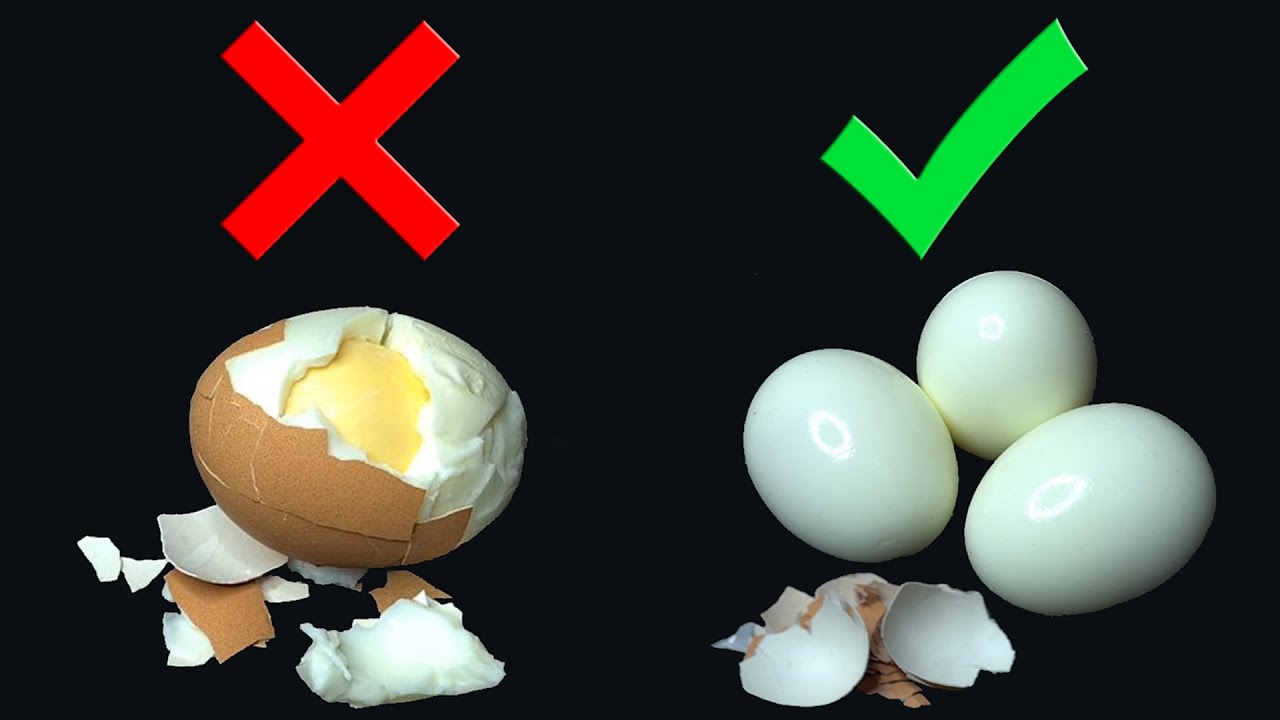
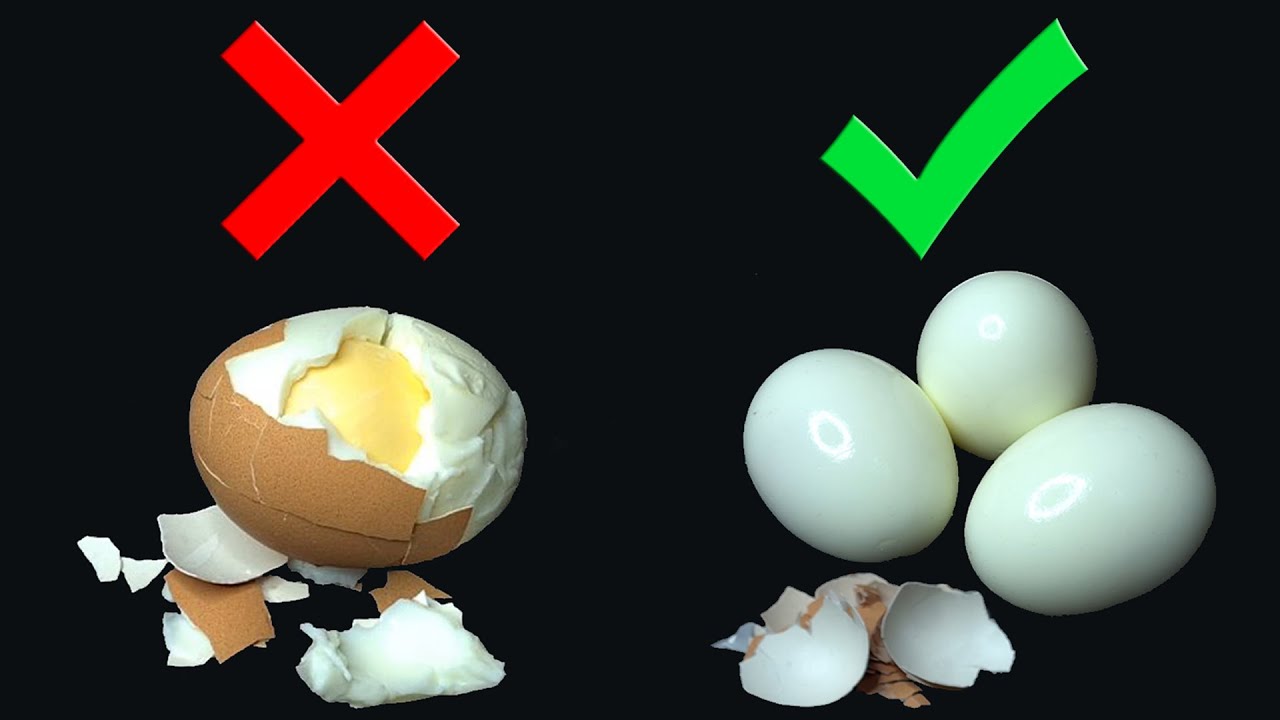
Boiling eggs might seem simple, but achieving perfectly cooked eggs that are easy to peel and don’t crack requires a few techniques. Here’s a step-by-step guide to ensure flawless results every time.
1. Choose the Right Eggs
- Older Eggs Peel Easier: Eggs that are about 7-10 days old are ideal for boiling. Fresher eggs tend to stick to the shell, making them harder to peel.
2. Prevent Eggs from Cracking
- Bring to Room Temperature: If your eggs are cold from the refrigerator, let them sit at room temperature for 10-15 minutes before boiling. This reduces the risk of cracking due to sudden temperature changes.
- Add Salt or Vinegar: Adding 1 teaspoon of salt or a splash of vinegar to the boiling water can help prevent the egg whites from leaking out if the shell does crack.
3. Step-by-Step Boiling Process
- Arrange Eggs in a Single Layer:
- Place the eggs in a pot in a single layer to prevent them from bumping into each other and cracking.
- Add Water:
- Fill the pot with enough cold water to cover the eggs by about 1 inch.
- Bring to a Gentle Boil:
- Place the pot on medium heat and slowly bring the water to a boil. Starting with cold water heats the eggs gradually, reducing the risk of cracks.
- Simmer, Don’t Boil:
- Once the water reaches a boil, reduce the heat to low so that the water is gently simmering. Boiling too vigorously can cause the eggs to bounce around and crack.
- Set the Timer:
- For soft-boiled eggs: 6-7 minutes.
- For medium-boiled eggs: 8-10 minutes.
- For hard-boiled eggs: 11-12 minutes.
4. Cool Eggs Quickly for Easy Peeling
- Ice Bath: Immediately transfer the boiled eggs to a bowl of ice water. Let them sit for at least 10 minutes. This stops the cooking process and helps separate the egg whites from the shell for easier peeling.
- Tap and Roll: Gently tap the eggs on a hard surface to crack the shell, then roll them under your palm to loosen the shell. Start peeling from the wider end where the air pocket is located.
Extra Tips:
- Steam Instead of Boiling: If peeling is a persistent issue, steam your eggs. Place them in a steamer basket over boiling water for the same time as boiling. Steamed eggs are often easier to peel.
- Pierce the Shell (Optional): Use a pin to make a tiny hole in the rounded end of the egg before boiling. This allows air to escape, preventing cracks and centering the yolk.
By following these steps, you’ll have perfectly boiled eggs that are easy to peel and free from cracks every time!