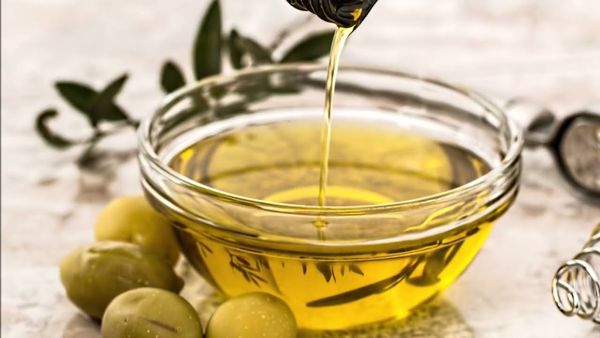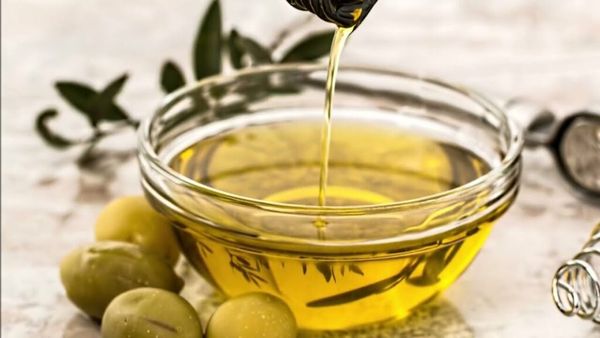
Olive oil, especially extra virgin olive oil (EVOO), is known for its health benefits and delicious flavor. However, not all olive oils are created equal. Some are of higher quality and offer more nutritional value than others. So how can you determine if the olive oil you’re buying is really of high quality? Here are some tips to help you make the right choice.
1. Look for ‘Extra Virgin’ on the Label
Extra virgin olive oil is the highest quality oil, extracted using gentle methods without chemicals or heat. It retains more nutrients and natural flavors. When choosing olive oil, check the label for the term ‘Extra Virgin’. This indicates that the oil meets high standards for purity, low acidity (below 0.8%), and no defects in taste or smell.
2. Check the Harvest Date
High-quality olive oil should have a harvest date on the label. This tells you when the olives were picked and pressed. Olive oil is best consumed within 18 months of harvest for peak freshness. If there’s no harvest date or if it’s too old, it may indicate lower quality.
3. Look for Certification Seals
Check if the olive oil bottle has certifications from trusted authorities such as DOP (Denominazione d’Origine Protetta) from Italy, AOC (Appellation d’Origine Contrôlée) from France, COOC (California Olive Oil Council) from the U.S., or PDO (Protected Designation of Origin) from the European Union. These certifications indicate that the oil is produced under strict quality controls and is authentic.
4. Pay Attention to Bottle Packaging
High-quality olive oil is typically packaged in dark green or opaque bottles to protect it from light, which can degrade the oil’s quality and lead to rancidity. Avoid clear bottles, as they allow light to penetrate and affect the oil’s freshness.
5. Consider the Origin
High-quality olive oil usually comes from specific regions known for producing premium olive oils, such as Italy, Greece, Spain, or California. Look for single-origin oils, which means the oil is from one place, ensuring consistency and quality. Avoid oils labeled as “blended” from multiple countries, as they may indicate lower quality.
6. Trust Your Taste and Smell
High-quality olive oil has a distinct flavor and aroma. When assessing the oil, pay attention to the following:
- Smell: Fresh olive oil should have a grassy, fruity, or herbaceous scent. If it smells rancid, musty, or like old oil, it’s not high quality.
- Taste: Good olive oil has a balanced flavor profile with notes of pepperiness, bitterness, and fruitiness. It should leave a slight peppery sensation in the back of your throat, indicating freshness and the presence of antioxidants.
Red flags to watch out for include a greasy, buttery, or waxy mouthfeel, as well as a flat, overly mild, or bland taste, which may indicate poor quality or adulteration.
7. Look for Low Acidity
High-quality EVOO typically has a low acidity level (below 0.8%), which is usually indicated on the label. Lower acidity reflects a higher quality oil because the olives were fresh and processed correctly.
8. Use Caution with the Fridge Test
Some people suggest refrigerating olive oil as a test—if it becomes cloudy or solidifies, it’s high in monounsaturated fats, which is a marker of good quality. However, this test is not always reliable because some adulterated oils can still solidify.
9. Consider the Price
While price alone is not always a definitive indicator, high-quality olive oil often costs more due to the careful process of harvesting and cold-pressing fresh olives. Be cautious of unusually cheap olive oil, as it may be diluted or of lower quality.
10. Check for Sediment
Unfiltered olive oil may have a slight sediment at the bottom of the bottle, which is natural and can indicate fresh, minimally processed oil. However, too much sediment can lead to spoilage over time.
By following these guidelines, you can confidently choose a high-quality olive oil that will enhance the taste of your dishes and provide you with the health benefits you desire. Happy olive oil shopping!