
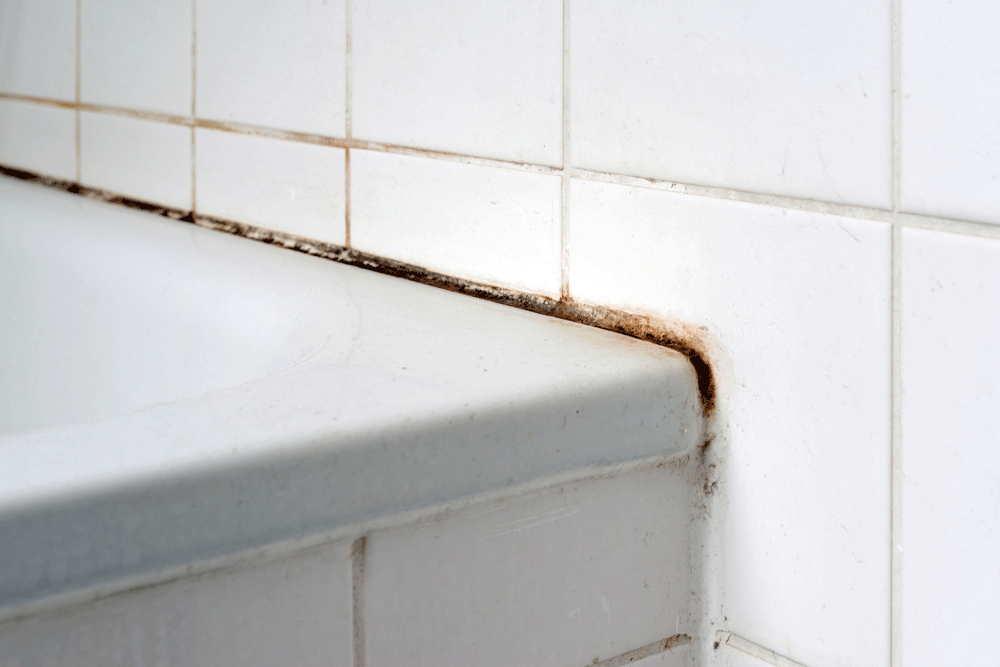
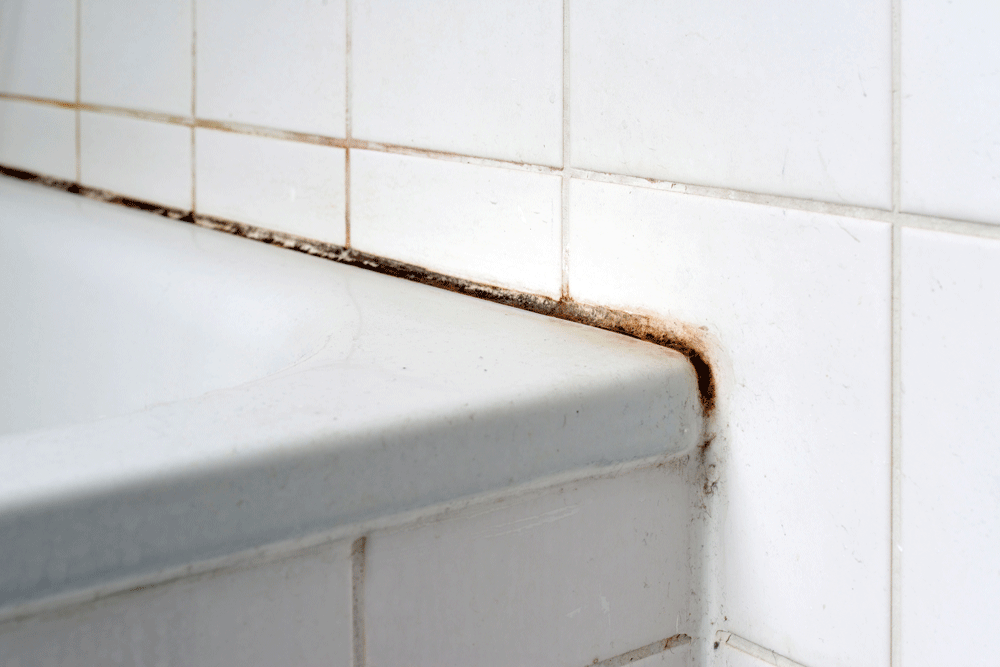
Cleaning moldy silicone in your bathroom, kitchen, or around windows can be a daunting task, but it’s important for maintaining a healthy living environment. Here are step-by-step instructions on how to effectively remove mold from silicone sealant:
Tools and Materials Needed
- White vinegar or bleach (Note: Never mix the two)
- Baking soda
- Rubber gloves
- Protective eyewear
- Small brush (an old toothbrush works well)
- Spray bottle (if using liquid solutions)
- Soft cloth or sponge
Instructions
Step 1: Prepare the Area
- Ensure the area is well-ventilated. Open windows or use an exhaust fan.
- Put on rubber gloves and protective eyewear to protect your hands and eyes from mold spores and cleaning agents.
Step 2: Choose Your Cleaning Agent
- For a natural solution: Use white vinegar, which kills most mold species. It’s effective and less harmful than bleach.
- For tougher mold: Use a bleach solution (1 part bleach to 4 parts water) if the mold is persistent. Bleach is more aggressive and effective at removing stubborn mold stains but can discolor the silicone if not used carefully.
Step 3: Apply the Cleaning Agent
- Vinegar: Fill a spray bottle with white vinegar and spray generously on the moldy silicone. Let it sit for at least an hour without rinsing.
- Bleach solution: Apply the bleach solution directly to the moldy areas using a sponge or cloth. Allow it to sit for 5 to 15 minutes. Be careful with the exposure time to avoid damage to the silicone.
Step 4: Scrub the Mold
- After letting the cleaning solution sit, take a small brush or old toothbrush and scrub the silicone vigorously. The mold should start to lift away from the silicone.
Step 5: Apply a Baking Soda Paste for Stubborn Stains (Optional)
- If mold persists, make a paste of baking soda and a little water.
- Apply this paste over the affected areas and let it sit for a few minutes before scrubbing again. This paste acts as a mild abrasive to help remove stubborn mold without damaging the silicone.
Step 6: Rinse and Dry
- Rinse the area thoroughly with water to remove any residue of the cleaning solution.
- Dry the area completely with a soft cloth. Ensuring the area is dry helps prevent mold from quickly returning.
Tips for Prevention
- Keep areas prone to mold as dry as possible.
- Use a dehumidifier or increase ventilation in mold-prone areas.
- Regularly clean and inspect silicone sealants to catch mold growth early.
Conclusion
Regular maintenance and early detection are key to managing mold on silicone sealants. Whether you choose natural cleaners like vinegar or stronger agents like bleach, make sure to handle these materials with care and follow safety precautions. Keeping the areas dry and well-ventilated can prevent future mold growth, maintaining the cleanliness and health of your environment.



