With increasing concerns about food authenticity, it’s important to know what you’re really putting on your plate. One of the alarming issues in recent years has been plastic rice — fake grains made to look like real rice but composed of synthetic materials. Though rare, knowing how to detect it can give you peace of mind and help protect your health.
Here’s how to identify plastic rice in 6 easy steps:
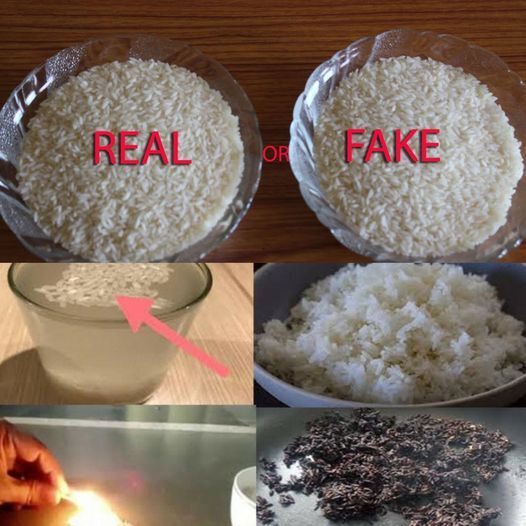
1. The Water Test
- What to do: Drop a tablespoon of uncooked rice into a glass of water.
- What to watch for: Real rice sinks; plastic rice floats. This is because plastic is lighter than water, while real rice is denser.
2. The Boiling Test
- What to do: Boil a small batch of rice as you normally would.
- What to watch for: If the rice forms a thick layer on top or smells strange (like burnt plastic), it might be fake. Plastic rice also tends to stay hard and rubbery after cooking.
3. The Hot Oil Test
- What to do: Drop a few raw rice grains into very hot oil.
- What to watch for: Plastic rice will melt or stick together at the bottom, forming a gummy mass. Real rice simply crisps up.
4. The Fire Test
- What to do: Take a few dry grains and set them on fire using a lighter or match.
- What to watch for: If it burns with a plastic smell or turns black like melted plastic, it’s not real rice.
5. The Mold Test
- What to do: Cook a small portion and leave it in a sealed container at room temperature for 2–3 days.
- What to watch for: Real rice will develop mold over time. Plastic rice won’t — it will stay unchanged.
6. The Smash Test
- What to do: Crush a few grains of raw rice with a hard object or between your fingers.
- What to watch for: Real rice crumbles into a fine powder. Plastic rice will be tough and might bend or shatter oddly.
Stay Safe, Stay Informed
While plastic rice is not common in regulated markets, it’s always better to be cautious — especially when buying from unknown sources. Use these simple home tests to protect your food and your health.