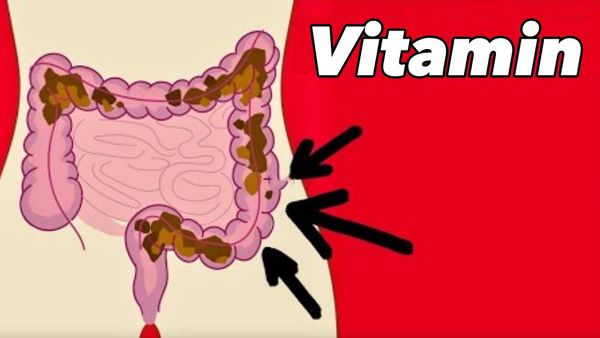
Relieving constipation can be a frustrating experience, especially when typical advice focused on fiber and water doesn’t seem to work. But did you know that there are two surprising nutrients that can significantly improve your bowel function? Let’s explore how magnesium and potassium can help you find relief from constipation.
1. Magnesium: The Gentle Laxative
Magnesium is a mineral that plays a crucial role in muscle function, including the muscles in your digestive tract. These muscles help move stool through your colon. Additionally, magnesium attracts water into the intestines, softening the stool and making it easier to pass.
How to Use It:
- Diet: Include magnesium-rich foods in your meals. Spinach, chard, pumpkin seeds, almonds, avocados, and black beans are great sources of magnesium.
- Supplements: Magnesium supplements, such as magnesium citrate, can effectively treat constipation. This form of magnesium is easily absorbed by the body and has a gentle laxative effect.
2. Potassium: Balancing Act
Potassium helps balance sodium levels in the body and is essential for normal muscular function, including the muscles of the digestive tract. Similar to magnesium, potassium can regulate fluid balance in the body and prevent stools from becoming too hard.
How to Use It:
- Diet: Increase your intake of potassium-rich foods like bananas, oranges, cantaloupe, sweet potatoes, tomatoes, spinach, and beans.
- Attention to Hydration: Alongside increasing potassium, ensure you are drinking plenty of fluids. This will help the nutrient work effectively in managing constipation.
Integrating These Nutrients into Your Diet
Now that you know the power of magnesium and potassium, here are some practical ways to incorporate them into your meals:
- Daily Smoothie: Whip up a delicious and healthy smoothie using spinach (magnesium), a banana (potassium), and coconut water (potassium and hydrating). Not only does it taste great, but it also supports digestive health.
- Balanced Meals: Aim for a balanced plate at each meal. Consider having grilled salmon (magnesium) with a side of roasted sweet potatoes (potassium) and a leafy green salad (magnesium and potassium). This meal is not only nutritious but also constipation-busting.
Other Tips to Enhance Effectiveness
In addition to magnesium and potassium, there are a few other habits that can help relieve constipation:
- Regular Exercise: Engaging in physical activity can increase muscle activity in your intestines, helping you have more regular bowel movements.
- Proper Hydration: Drinking enough water is essential, especially when increasing your intake of fibrous or bulk-forming nutrients. It helps prevent your digestive system from becoming clogged.
- Mind Your Fiber: While focusing on magnesium and potassium, don’t forget about fiber. It is still a key player in preventing and relieving constipation. Include a variety of soluble and insoluble fibers in your diet to help keep things moving.
Conclusion
If you’re struggling with constipation, don’t just rely on the usual advice of fiber and water. Take a closer look at your intake of magnesium and potassium. Adjusting your diet to include more of these nutrients can provide a natural and effective way to alleviate constipation and improve your overall digestive health. Remember, it’s always a good idea to consult with a healthcare provider before starting any supplements, particularly if you have underlying health conditions or are taking other medications.