If you’re looking to make cheese using just milk and without relying on vinegar or citric acid, you can use a more traditional method involving rennet. Rennet is a set of enzymes commonly used in cheesemaking to coagulate milk, helping it to separate into curds and whey. Here’s a straightforward guide to making about 1 kg of fresh cheese from 2 liters of milk using rennet, which is more realistic in terms of yield compared to traditional methods:
Ingredients:
- 2 liters of whole milk (the fresher, the better)
- 1/4 teaspoon liquid rennet (or the appropriate amount of tablet rennet, dissolved in a little cool, non-chlorinated water)
- 1-2 teaspoons salt (to taste)
- Optional: Herbs or other flavorings
Equipment:
- Large pot
- Thermometer
- Long knife (for cutting the curd)
- Slotted spoon
- Cheesecloth or a fine mesh strainer
- Cheese mold (optional)
Instructions:
- Warm the Milk: Pour the milk into a large pot. Slowly heat the milk to 32°C (90°F), stirring gently to ensure even heat distribution. It’s important not to overheat the milk, as this can affect the activity of the rennet.
- Add Rennet: Once the milk has reached the correct temperature, remove it from the heat. Add the dissolved rennet to the milk, stirring gently in a consistent direction for about 30 seconds to ensure it’s well incorporated. Stop stirring and allow the milk to sit undisturbed.
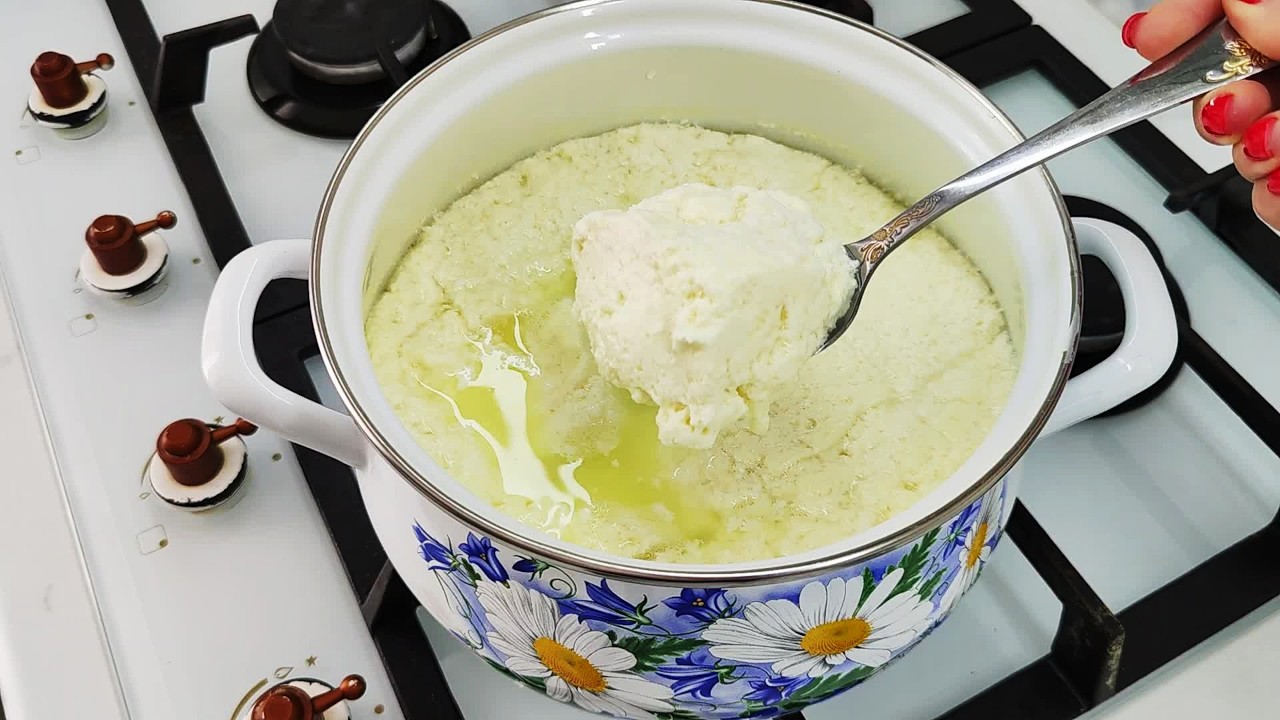
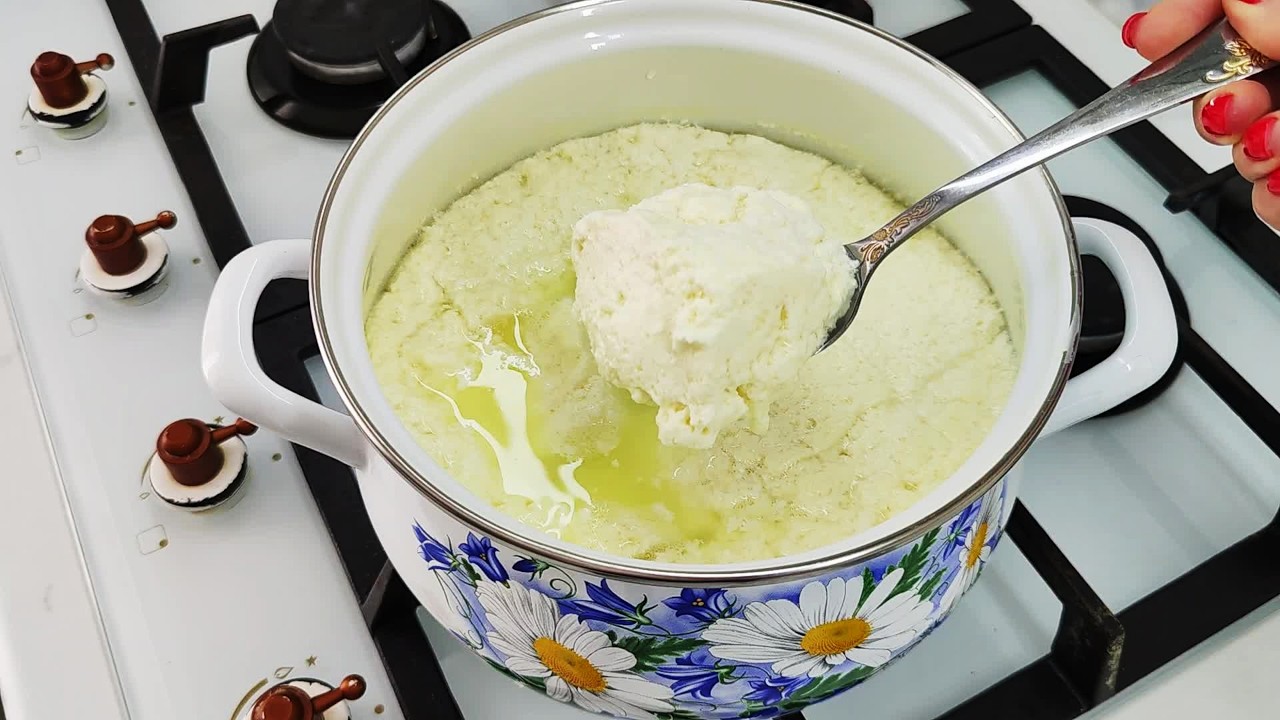
- Curds Formation: Let the milk sit for about 1 hour, or until the curd has set and shows a clean break when you insert a knife. If the curd is still too soft or the whey is milky, let it sit for a bit longer.
- Cut the Curds: With a long knife, cut the curd into roughly 1-inch cubes. Allow the cut curds to sit for about 5 minutes. This helps expel more whey from the curds.
- Cook the Curds: Return the pot to low heat and gently warm the curds to about 38°C (100°F), stirring very gently to avoid breaking them up too much. This process helps tighten the curds and expel more whey.
- Drain the Curds: Once the curds have cooked, remove the pot from the heat. Use a slotted spoon to ladle the curds into a cheesecloth-lined colander or cheese mold. If you want to flavor your cheese, now is the time to mix in salt and any herbs or spices.
- Press the Cheese: Gather the corners of the cheesecloth and twist to gently squeeze out the whey. For a firmer cheese, place a weight on top of the wrapped curds and press for several hours.
- Curing the Cheese: Depending on your preference for fresh cheese, you might eat it right away, or you could let it age in a cool, humid environment to develop flavor and texture.
- Storage: Fresh cheese should be consumed within a few days or can be stored in the refrigerator.
By following these steps, you can make a simple, fresh cheese that’s customizable to your taste preferences, perfect for a variety of dishes or enjoyed on its own.