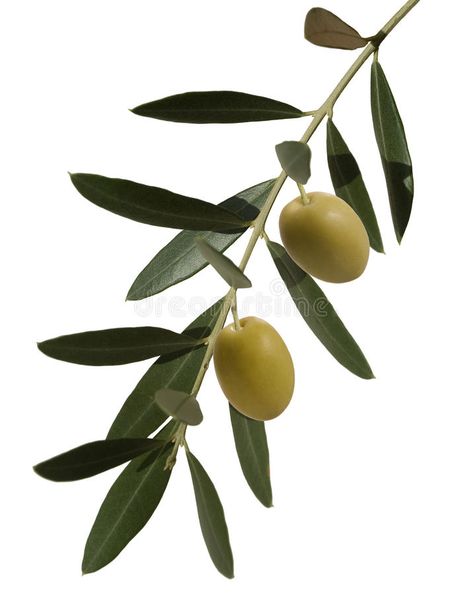
Often overlooked in favor of olive oil and fruit, olive leaves are a treasure trove of health benefits and have been used in traditional medicine for centuries. Known as a “gift from God,” olive leaves are believed to support longevity and fight numerous ailments—potentially helping with over 70 diseases. Here’s why incorporating olive leaves into your health regimen can be transformative.
The Powerful Compounds in Olive Leaves
The secret to olive leaves’ health benefits lies in their rich composition of bioactive compounds, particularly oleuropein. This powerful antioxidant is responsible for many of the plant’s anti-inflammatory, antimicrobial, and immune-boosting properties. Additionally, olive leaves contain polyphenols and flavonoids that protect against cellular damage and promote overall wellness.
Health Benefits of Olive Leaves
- Strengthens the Immune System
Olive leaves have antiviral and antimicrobial properties that can help the body fight off infections, from colds and flu to more severe illnesses. Their immune-enhancing effects make them a natural remedy for maintaining good health year-round. - Lowers Blood Pressure and Supports Heart Health
Studies show that olive leaves can help lower blood pressure by improving blood vessel function. They also reduce bad cholesterol (LDL) and inflammation, lowering the risk of heart disease. - Regulates Blood Sugar Levels
For those with diabetes or prediabetes, olive leaves can improve insulin sensitivity and regulate blood sugar levels, helping to manage the condition naturally. - Powerful Antioxidant Protection
Oleuropein in olive leaves fights oxidative stress, which is a major contributor to aging and chronic diseases. This antioxidant protection supports longevity and helps reduce the risk of conditions like cancer and neurodegenerative diseases. - Anti-Inflammatory Effects
Chronic inflammation is linked to numerous illnesses, including arthritis and autoimmune disorders. Olive leaves help reduce inflammation, providing relief from pain and stiffness. - Promotes Healthy Skin
The antioxidants and anti-inflammatory properties of olive leaves can improve skin health by reducing damage from free radicals, slowing signs of aging, and supporting wound healing.
How to Use Olive Leaves
Olive leaves can be consumed in various forms, including teas, extracts, or supplements. Here’s how you can enjoy the benefits at home:
Olive Leaf Tea Recipe
Ingredients:
- 1-2 teaspoons of dried olive leaves (available at health stores or online)
- 2 cups of water
- Optional: Honey or lemon for taste
Instructions:
- Boil Water: Bring 2 cups of water to a boil.
- Steep the Leaves: Add the dried olive leaves to the water and reduce the heat. Let the leaves steep for 10-15 minutes.
- Strain and Serve: Strain the tea into a cup, add honey or lemon if desired, and enjoy.
Olive Leaf Extract
If you prefer convenience, olive leaf extract is available in liquid or capsule form. Always follow the recommended dosage on the packaging or consult with a healthcare professional.
Precautions
While olive leaves are generally safe, moderation is key. People taking blood pressure or diabetes medications should consult their doctor before using olive leaf products, as the combination could lead to overly low blood pressure or sugar levels.
Conclusion
Olive leaves are truly a natural gift, offering a wide range of health benefits that can improve immunity, heart health, and longevity. Whether you choose to drink olive leaf tea or take it as a supplement, incorporating this powerful plant into your daily routine can be a step toward a healthier, longer life. Celebrate this gift from nature and experience the wellness it brings!