I thought I was going to lose him.
My grandfather, Matteo, had always been strong. Not gym-strong, but mountain-strong. The kind of man who split firewood in the snow at 76, and never missed a Sunday dinner.
Then came the winter of ’21.
He got sick—not hospital-sick at first. Just a cough. Dry, then wet. Then relentless.
We tried everything. Steam. Honey. Doctors prescribed syrup after syrup. Nothing helped. Every night, I’d hear him from the hallway, hacking so hard it bent him forward. His eyes would water. His ribs hurt to touch.
“You sound like you’re drowning,” I said once.
He just smiled, that same tired smile. “Better out than in.”
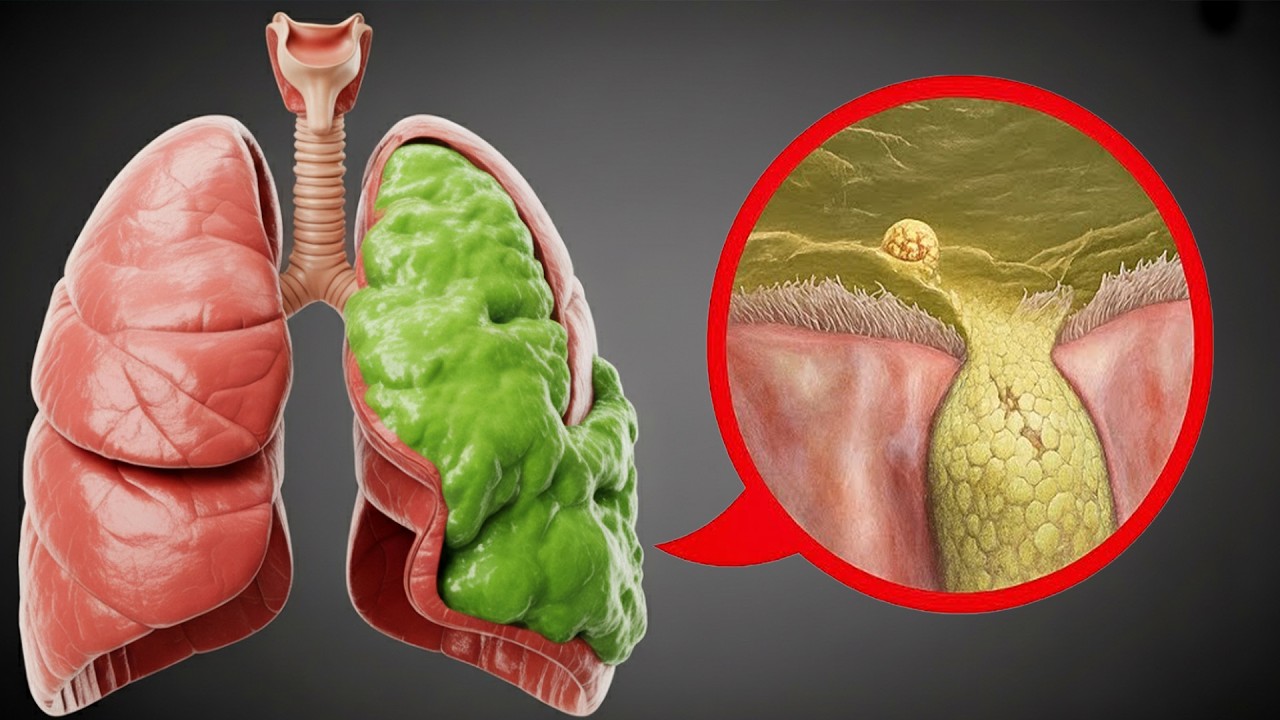
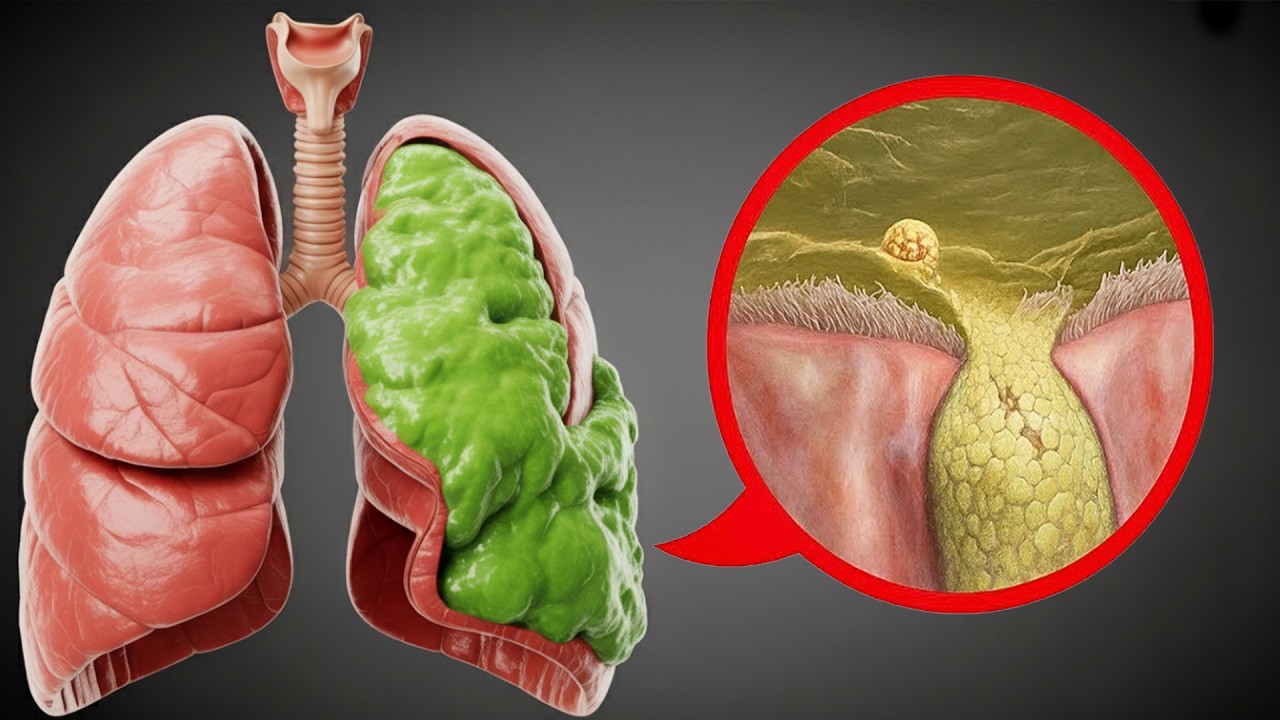
But it wasn’t coming out. Whatever it was—phlegm, mucus—it was stuck in his chest like wet cement.
One night, I couldn’t take it anymore. I called Nonna.
She’s not a doctor. But she’s a Sicilian grandmother with more healing knowledge in her pinky finger than most pharmacies.
She came the next morning, holding a paper bag.
Inside? Cloves.
“Boil them,” she said. “Strong. Three pinches. Then let it sit. Add honey. He drinks it hot, before bed.”
I didn’t argue.
That night, I made the tea. Gave it to him.
It smelled like Christmas and firewood. He wrinkled his nose, but drank it down in three gulps.
And I’m telling you now, what happened next felt impossible.
He slept.
No coughing.
Not once.
By morning, his chest was clear enough to breathe deep without gasping. By day three, the mucus was nearly gone.
I asked Nonna what was in the cloves.
She just tapped her temple. “Old remedies. Nature remembers what we forget.”
Now, anytime someone starts coughing in our house, I reach for the spice rack.
Not for soup. For breath.
And the best part?
It didn’t just clear his lungs.
It gave me my grandfather back.
What I didn’t tell you is this—before that winter, I had almost stopped believing in home remedies.
I was raised on over-the-counter solutions. Flu? Cold? Pharmacy trip. It was always quicker to swallow a pill than to brew a tea. But that winter shook me.
Seeing Matteo, once the strongest man I knew, bent over with a cough that rattled the windows… it reminded me how helpless modern medicine can feel when it hits a wall.
The night after the cloves worked, I sat in the kitchen with Nonna. I asked her to teach me everything.
She poured us both some of her clove tea—lighter this time, just for sipping—and said something I’ll never forget.
“Real healing starts when someone slows down enough to care.”
I didn’t fully get it then. But I would.
That winter was long. Cold. And not just outside. My job had been downsized to part-time. I was helping care for Matteo, who still had good and bad days. I barely saw friends anymore.
But every evening, I’d make that tea.
Not just for him. For me too.
Sometimes I added ginger. Sometimes lemon. But always, cloves.
It became our ritual.
One night, he said, “You know what this reminds me of?”
I shook my head.
“The war. Not the bombs. The after. When food was tight and medicine tighter. Your great-grandmother used cloves for everything. Sore throat, bad breath, toothache. She used to boil them with orange peel when we couldn’t stop coughing.”
I asked him why no one talks about that anymore.
He just looked out the window and said, “Because people forgot how to trust what grows.”
That sentence lodged in me.
The turning point came a few weeks later.
Matteo’s friend from the church, Mr. Dario, came over to drop off soup. But the moment he stepped in, he started wheezing.
“You alright?” I asked.
He waved it off. “Just a chest cold. Been three weeks now. Won’t budge.”
Matteo looked at me.
I got the pot.
We didn’t say anything fancy. I just offered him a mug and told him to sip slow.
He finished it in five minutes, coughed into a napkin, then said, “That’s the first time I’ve felt warm down to my lungs.”
Three days later, he came back. “What was in that tea? I haven’t slept that well in a month.”
That’s when it began.
Word spread.
A woman from Matteo’s choir called me the following week, asking if I’d make some for her husband. Then the neighbor’s daughter showed up with a note from her aunt.
Within a month, I was boiling cloves every other night.
I didn’t sell it. I didn’t charge. I just made a batch, poured it into mason jars, and left them on the front steps for pickup.
Every jar had a note:
“Clove tea. 3-5 cloves per cup of water. Boil 10 minutes. Let steep. Add honey and drink hot. Breathe deep.”
That was it.
But the messages I started getting?
That’s what truly floored me.
One woman wrote, “My dad hasn’t needed his inhaler for two nights.”
Another said, “My 6-year-old finally slept through the night. I cried.”
Someone sent me a photo of their spice rack, labeled “Respiratory Rescue.”
And yet—it wasn’t the tea alone.
It was what happened because of the tea.
People slowed down. They brewed it for each other. They sat at their tables and waited for water to boil. They breathed in the steam. They felt something ancient come back.
Care.
Presence.
Hope.
One night, Matteo asked me why I kept doing it.
“You’re not running a tea shop,” he said.
“No,” I told him, “but I am running a reminder.”
He smiled. “Of what?”
“That the simplest things still work. And people still matter.”
He reached for my hand and squeezed it.
That was the last winter we had together.
He passed the following spring, in his garden, humming an old Italian hymn and pulling weeds like nothing hurt.
His lungs were clear.
I spoke at his funeral. I told them about the cloves. About how he trusted nature when medicine failed him. How he taught me that strength sometimes smells like spices and sounds like silence between sips.
After the service, more people came up asking about the tea than anything else.
And every time I told the story, I felt like I was giving away a piece of him.
A warm, living piece.
It’s been three years since then.
I still make the tea.
For my friends. For neighbors. For anyone who’s tired of coughing and tired of feeling like their body is betraying them.
Sometimes I host little workshops in my kitchen. We sit, we boil cloves, and we talk about everything and nothing.
One woman told me her son stopped hiding his wheezing after starting the tea.
Another said her husband didn’t believe in it—until it worked. Now he asks for “that witchy brew” every flu season.
I keep a journal now. Like my Nonna’s old recipe book, but filled with stories. People who’ve used the tea. People it helped. People it comforted.
It’s not about magic.
It’s about remembering.
Cloves don’t cure everything. But they clear enough to make room for breath, for sleep, for peace.
And that’s enough.
If there’s one thing I’ve learned from all of this, it’s this:
Sometimes the most powerful medicine is the one made with love.
The world moves fast. Pharmacies are full. Ads scream at us every day with new solutions.
But what if healing doesn’t always come from something new?
What if it’s already sitting in your spice rack, waiting?
So if you or someone you love can’t shake the cough… if the nights are full of wheezing and restlessness…
Try this:
Take 3-5 whole cloves. Boil them in a cup of water for 10 minutes. Let it sit. Add honey. Sip slowly before bed.
And breathe.
Not just because the steam helps.
But because you’re worth the time it takes to care for yourself.
And if this story reminded you of someone?
Send it to them.
Because maybe—just maybe—the remedy they need is already right in their kitchen.
And maybe it smells like Christmas. Just like healing should.
❤️ If this touched you, please like and share. Let’s keep the story—and the healing—going.