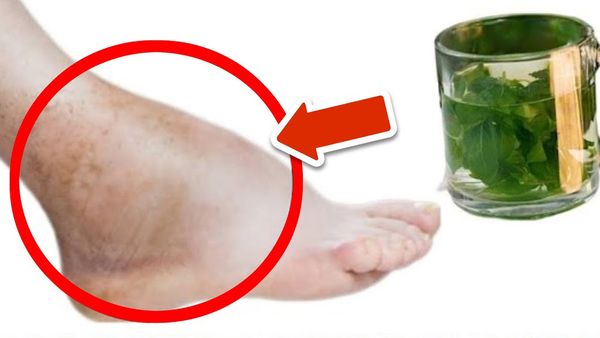
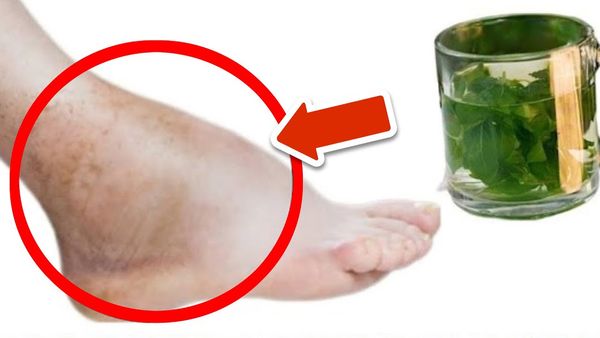
Heavy, swollen feet and legs can make even simple daily activities feel uncomfortable. Sitting too long, standing for hours, warm weather, or fluid retention can all contribute to that tight, puffy feeling. While no tea can promise permanent results, parsley tea is widely appreciated as a gentle, natural way to support the body’s balance and help reduce water buildup when used consistently.
This simple herbal drink is easy to prepare, soothing, and fits naturally into a healthy daily routine.
Why Parsley Tea Is So Helpful
Parsley is naturally rich in antioxidants and plant compounds that support fluid balance in the body. It is traditionally known for its gentle diuretic effect, which helps the body release excess water without harsh stimulation. Parsley also supports circulation and kidney function—both key factors when it comes to swelling in the lower body.
When enjoyed regularly, parsley tea can help your legs feel lighter, less tight, and more comfortable throughout the day.
Simple Parsley Tea Recipe
You will need:
- 1 handful of fresh parsley (or 1 tablespoon dried parsley)
- 2 cups hot water
- Optional: a slice of lemon or a teaspoon of honey
How to prepare it:
Wash and chop the parsley. Pour hot water over it and cover. Let it steep for 10 minutes. Strain and drink warm. You can enjoy this tea once per day.
What This Tea Can Help With
- Reducing water retention
- Supporting lighter, less swollen legs
- Improving circulation comfort
- Easing the heavy feeling in feet and ankles
- Supporting overall fluid balance
Many people notice that with a few days of regular use, their legs feel less tight, shoes fit more comfortably, and daily movement feels easier.
A Gentle Truth About Swelling
Swelling is your body’s way of showing that something is out of balance—whether it’s fluid retention, circulation, or daily habits. Parsley tea doesn’t fight your body; it gently assists it. For best results, combine it with regular movement, proper hydration, and short periods of leg elevation during rest.
Relief doesn’t have to come from harsh solutions. Sometimes, the simplest plants offer the most comforting support.