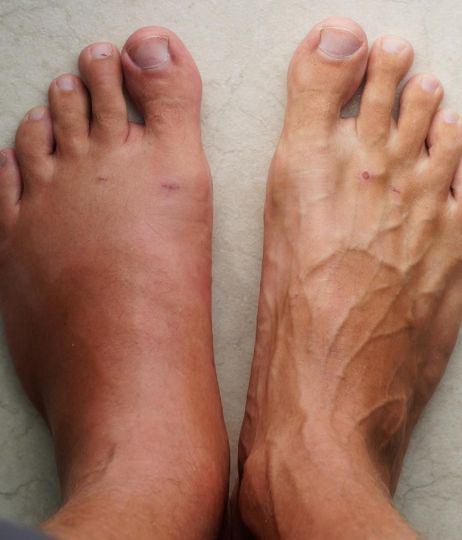
In our fast-paced world, many of us often overlook the importance of a balanced diet and a calm lifestyle. Unfortunately, this can take a toll on our hearts, leading to heart attacks becoming the leading cause of death worldwide over recent years. But here’s the good news: by making a few simple lifestyle changes and being mindful of our body’s signals, we can protect our hearts.
To take care of your heart, embrace a healthier lifestyle. This includes feasting on plenty of fresh fruits and vegetables, ensuring a good night’s sleep of at least eight hours, and finding ways to manage stress effectively. Most importantly, always listen to your body. About a month before a heart attack, your body will often start giving warnings. These symptoms are crucial and should never be ignored.
Breathlessness May Occur
Ever felt out of breath for no apparent reason? When your heart struggles, it might not efficiently circulate the blood and oxygen your lungs need, leaving you breathless. If you notice this symptom, it’s important to reach out to your doctor immediately.
Flu-Like Symptoms
Feeling under the weather with cold or flu-like symptoms? While it might seem like just a virus, if these symptoms coincide with others in this list, it’s worth getting checked out.
Chest Discomfort
Perhaps the most obvious heart warning sign is pressure or discomfort in the chest. Don’t dismiss this as normal. A visit to the doctor is essential if you feel any tightness or pain.
Experiencing Weakness
Weakness or unusual fatigue can occur when your heart isn’t providing enough blood and oxygen to your muscles. Rather than brushing it off as simply being tired, it’s wise to consult your physician for an evaluation.
Sweating and Feeling Dizzy
Experiencing cold sweats or dizziness? Poor blood circulation and reduced supply to the brain might be the culprits. This is significant since proper brain function relies heavily on uninterrupted blood flow.
Persistent Sleepiness
Feeling constantly sleepy even after a full night’s rest? This can be a sign of the heart struggling to pump sufficient blood. This ongoing fatigue isn’t to be ignored and warrants medical attention.
Remember, prevention is the key when it comes to heart health. By recognizing and addressing these symptoms early, you significantly reduce the risk of a heart attack. Taking action promptly can make all the difference.