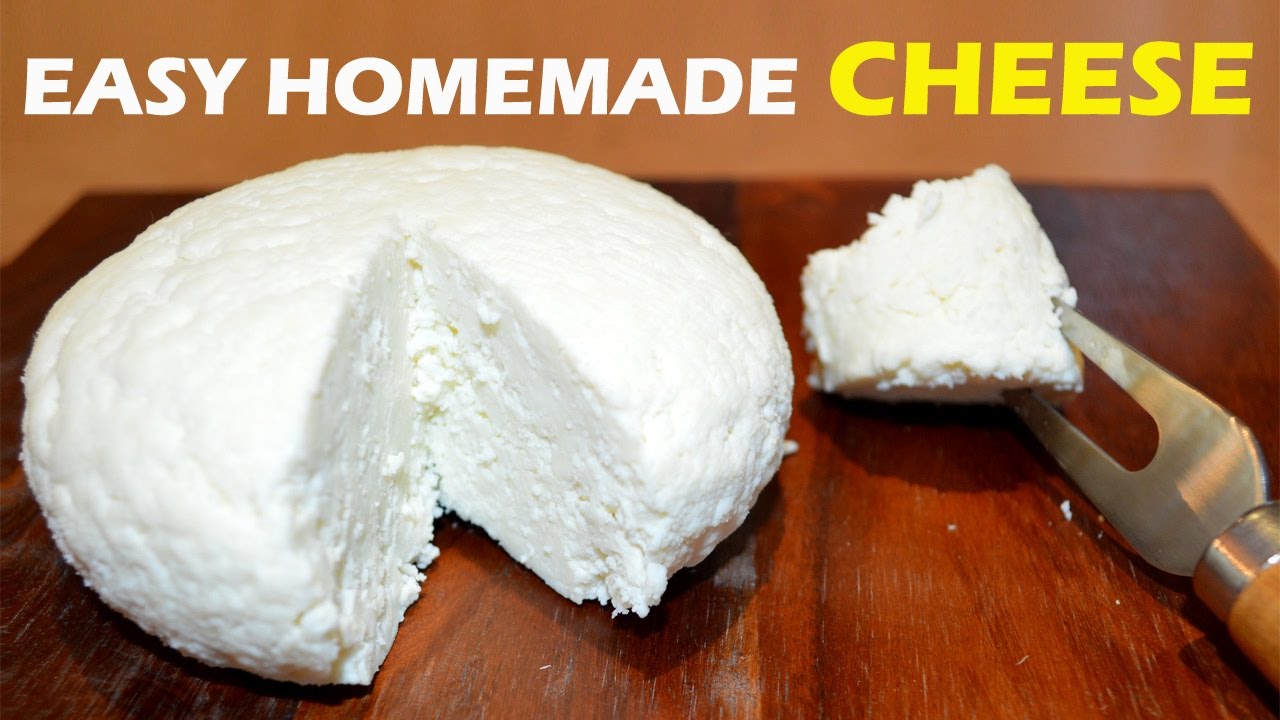
Making your own cheese at home can be surprisingly simple and satisfying. Here’s a quick recipe to make fresh, soft cheese in just 5 minutes. This recipe uses basic ingredients and is cost-effective, making it a great alternative to store-bought cheeses.
Ingredients:
- 1 liter of full-fat milk (use pasteurized instead of ultra-pasteurized for better curdling)
- 2 tablespoons of white vinegar or lemon juice
- Salt to taste
- Optional herbs or spices (such as garlic powder, fresh herbs, black pepper) for flavor
Equipment:
- Saucepan
- Stirring spoon
- Strainer or colander
- Cheesecloth or a clean, thin dish towel
Instructions:
- Heat the Milk: Pour the milk into a large saucepan and slowly heat it on the stovetop over medium heat. Stir constantly to prevent the milk from scorching on the bottom. Heat the milk to just before boiling (about 85-90°C or 185-194°F).
- Add Vinegar or Lemon Juice: Once the milk is hot, add the vinegar or lemon juice and stir gently. You’ll see the milk begin to curdle immediately as the curds separate from the whey. If the milk doesn’t start to curdle, add a little more vinegar or lemon juice.
- Let it Sit: Remove the pan from the heat and let it sit undisturbed for a minute to allow the curdling process to complete.
- Strain the Curds: Line a colander with cheesecloth or a clean dish towel and place it over a bowl to catch the whey. Carefully pour the curds and whey into the colander to separate them. The liquid whey can be saved for other recipes, or used to water plants as it is rich in nutrients.
- Season the Cheese: Sprinkle the curds with salt and any other seasonings you’d like to add. Mix gently to distribute the seasonings evenly.
- Press the Cheese: Gather the corners of the cheesecloth or towel and twist to press the curds together. Squeeze gently to remove as much whey as possible. For a firmer cheese, you can press it under a heavy object for a few hours.
- Store or Serve: Your homemade cheese is ready to eat immediately, or it can be stored in the refrigerator for up to a week. Enjoy your cheese as is, or incorporate it into your favorite recipes!
Tips for Success:
- Acid Choice: The type of acid used (vinegar vs. lemon juice) can affect the flavor of the cheese, so you might want to experiment with both to see which you prefer.
- Milk Type: Higher fat milk tends to yield softer, richer cheese, so consider using whole milk for the best texture.
- Flavor Variations: You can customize your cheese by adding herbs, spices, or even edible flowers into the curds before pressing them to create unique flavor profiles.
This homemade cheese is not only economical but also allows you to experiment with various flavors and ingredients. It’s a fun and rewarding process with delicious results that might even rival the best-selling cheeses globally! Enjoy crafting your own cheese and incorporating it into your meals.