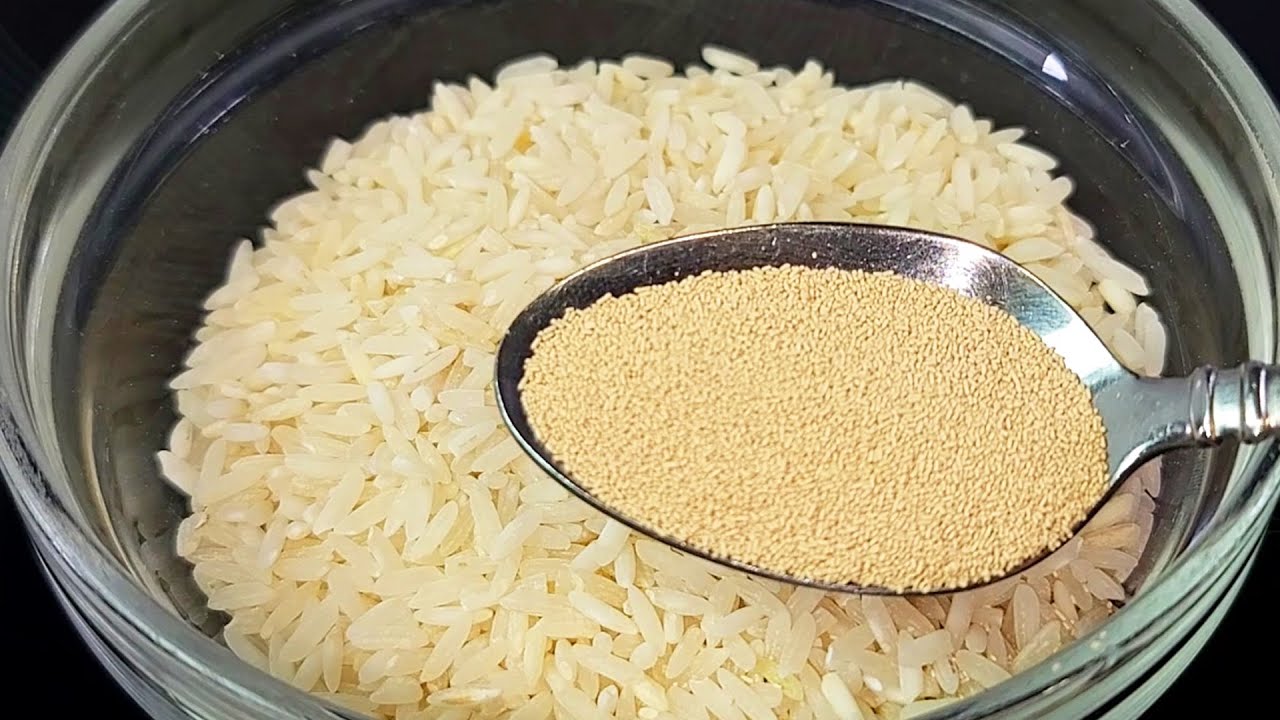
Combining yeast with rice might seem unusual at first, but this pairing taps into traditional methods of fermentation that can unlock a wealth of flavors and health benefits. Historically, fermenting rice with yeast has been used to create a variety of dishes, from savory porridges to sweet desserts and even alcoholic beverages. Here’s how you can rediscover this long-forgotten recipe and see why it’s truly amazing.
Benefits of Fermented Rice with Yeast
- Enhanced Nutritional Profile: Fermentation helps break down the starches and proteins in rice, making it easier to digest and allowing the body to absorb more nutrients.
- Probiotic Properties: Yeast can help cultivate beneficial bacteria in the gut, which aids in digestion and overall gut health.
- Richer Flavor: Fermentation can enhance the natural flavors of rice, adding depth and complexity.
Ingredients
- 1 cup of rice (any variety, although whole grain types such as brown rice provide more nutrients)
- 1 teaspoon of active dry yeast
- Water (as needed)
- A pinch of salt (optional)
Equipment
- Large bowl
- Spoon or spatula
- Cloth or paper towel
- Fermentation vessel or jar
Instructions
- Prepare the Rice:
- Wash the rice thoroughly to remove any impurities and excess starch.
- Cook the rice according to package instructions. Make sure the rice is fully cooked but not overly mushy.
- Cool the Rice:
- Allow the cooked rice to cool to room temperature. This step is crucial as hot rice can kill the yeast.
- Mix the Yeast:
- In a small bowl, dissolve the active dry yeast in a small amount of lukewarm water. Let it sit for 5-10 minutes until it becomes frothy, indicating that the yeast is active.
- Combine Ingredients:
- In a large bowl, mix the cooled rice with the activated yeast. Stir thoroughly to ensure that the yeast is evenly distributed throughout the rice.
- Ferment:
- Transfer the mixture to a fermentation vessel or jar. Cover it with a cloth or paper towel secured with a rubber band. This allows the mixture to breathe while keeping out contaminants.
- Place the container in a warm, dark place for 24 to 48 hours. The exact time will depend on the desired level of fermentation and ambient temperature.
- Check the Fermentation:
- After 24 hours, check the rice for signs of fermentation, such as a slight tangy smell and perhaps some bubbles. Taste a small amount to determine if it has reached the desired flavor and texture.
- Enjoy or Cook Further:
- Once fermented, the rice can be eaten as is, or you can use it as a base for other dishes. It can be added to soups, made into pancakes, or even used to create a type of rice pudding.
Serving Suggestions
- Savory Pancakes: Mix the fermented rice with chopped onions, green chilies, and herbs to make savory pancakes.
- Sweet Porridge: Add milk, sugar, and cardamom to the fermented rice and cook it down into a creamy porridge.
Conclusion
Mixing yeast with rice not only revives a traditional cooking method but also enhances the rice’s nutritional value and flavor profile. This simple yet transformative recipe is a testament to the ingenuity of ancient culinary practices and is definitely worth exploring in your kitchen. Give it a try and be amazed by the versatility and benefits of fermented rice!