
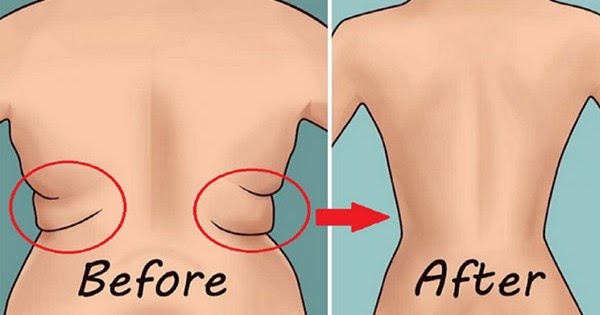
Carrying extra weight around the middle can feel frustrating, especially as we get into our 40s, 50s, and 60s. You might be doing the same things you used to, yet your belly seems more determined than ever to stick around. The good news is that change is absolutely possible. With a few smart, science-backed habits practiced consistently, you can trim your waistline, feel lighter on your feet, and support your long-term health.
Age, hormones, stress, sleep, and changes in muscle all play a role in how our body stores fat. The strategies below are designed with those changes in mind. They are friendly to joints, simple to put into daily life, and proven to help your body burn fat more efficiently without extreme measures or complicated plans. Most importantly, they encourage steady, realistic progress that you can maintain over time.
Why belly fat can be stubborn after 45
As we age, our bodies naturally lose muscle if we do not actively maintain it. Muscle is metabolically active tissue, which means it helps you burn more calories even when you are at rest. With less muscle, the body tends to burn fewer calories, and fat can accumulate more easily around the midsection. Hormonal changes can also encourage the body to store fat centrally. On top of that, busy lives, disrupted sleep, and stress can nudge us toward choices that are quick and comforting but not always helpful for our waistlines.
While this may sound discouraging, it is actually empowering. Once you understand what the body is up to, you can work with it, not against it. The eight tips below address the real reasons belly fat sticks around and offer practical steps to turn things around in a gentle, sustainable way.
Tip 1: Make protein the cornerstone of each meal
Protein does more than help with muscles. It keeps you satisfied, helps control appetite, and has a slightly higher calorie-burning effect during digestion compared to fats and carbohydrates. Including a steady, moderate amount of protein at breakfast, lunch, and dinner helps manage hunger and supports lean muscle, which in turn supports a healthier metabolism.
In simple terms, think about starting your day with eggs or Greek yogurt, choosing fish or chicken for lunch or dinner, and adding plant proteins like beans or lentils throughout the week. If you prefer smaller, more frequent meals, aim to include a portion of protein each time you eat. When in doubt, picture a palm-sized portion of protein at main meals and adjust based on your appetite and needs. If you have kidney issues or other medical conditions, speak with your healthcare provider about the amount that is right for you.
Tip 2: Build and protect your muscle with strength training
Strength training is one of the most effective tools for trimming your waistline over time. With age, the body tends to lose muscle unless we give it a reason to stay. Gentle strength work two to three times per week helps keep that precious muscle on your frame, supports better balance and posture, and makes everyday activities easier. It also improves how your body handles carbohydrates and insulin, which is important for reducing belly fat.
You do not need a gym or heavy weights. Start with simple bodyweight moves you can do at home: sit and stand from a chair to strengthen legs, press against a wall for assisted push-ups to target chest and arms, and perform light rows with a resistance band to support your back. If you are new to exercise or have joint concerns, begin slowly and consider asking a trainer or physical therapist to help you learn safe technique. Even ten to fifteen minutes of gentle strength work, done regularly, adds up in powerful ways.
Tip 3: Move more throughout the day, especially after meals
Daily movement is the quiet hero of waistline health. It is not just about a formal workout. The small bits of movement you do all day long—walking the dog, tending the garden, strolling through the store, or tidying the house—add up to meaningful calorie burn and better blood sugar control. Short walks after meals are especially helpful. A ten to fifteen minute walk after breakfast, lunch, or dinner helps your body use the sugar from your meal more efficiently, which can reduce fat storage over time.
Set a simple target that feels doable. Many people feel great aiming for seven to nine thousand steps per day, but the best goal is the one you will stick with. If you have been more sedentary, start with shorter, gentle walks and add a few minutes each week. If standing for long stretches is tough, break it into shorter efforts and sit to rest as needed. Comfort shoes, a safe walking route, and a friend or family member to join can make this a habit you truly enjoy.
Tip 4: Tame added sugars and refined carbohydrates
Excess added sugar and highly refined carbohydrates can push blood sugar and insulin higher than your body is comfortable with, especially as we age. Over time, this tends to encourage fat storage around the belly. You do not need to cut out all carbs. Instead, choose carbohydrates that come with fiber and nutrients, and enjoy sweets more thoughtfully.
Simple swaps make a big difference. Choose oatmeal or eggs over sugary cereals, reach for whole fruit instead of fruit juice, and enjoy whole grains like brown rice or quinoa rather than white rice or refined pasta most of the time. Read product labels when it is convenient and look for options lower in added sugars. If you love dessert, savor a smaller portion and pair it with a protein-rich meal so it digests more steadily. These gentle changes reduce cravings, support steady energy, and make it easier for your body to use fat for fuel.
Tip 5: Fill your plate with fiber-rich vegetables and smart portions
Fiber is your friend for trimming the waistline. It adds bulk without a large calorie cost, helps keep you full, and supports a healthy gut. Filling half your plate with colorful, non-starchy vegetables—such as leafy greens, peppers, broccoli, cauliflower, cucumbers, or tomatoes—naturally nudges you toward a comfortable calorie intake without strict dieting.
Portion awareness is also key. You do not need to measure every bite, but using smaller plates, slowing down while you eat, and pausing when you feel comfortably satisfied can help you tune into your natural fullness signals. If you often find yourself hungry soon after meals, reassess your plate to ensure it includes a satisfying mix of protein, vegetables, and a moderate portion of higher-fiber carbohydrates. When those pieces are in place, your belly has a much easier time shrinking.
Tip 6: Prioritize better sleep to support your waistline
Sleep is often the missing piece in the belly fat puzzle. Too little sleep can increase appetite, dial up cravings, and make willpower feel scarce. It can also nudge stress hormones higher, which encourages the body to store weight in the midsection. Aim for a sleep routine that helps you feel refreshed, whether that is seven, eight, or even nine hours.
Simple habits make a big difference. Try to go to bed and wake up at similar times each day. Dim lights in the evening, keep the room cool and dark, and avoid screen time right before bed if it makes your mind race. A warm shower, a brief stretch, or a few calming breaths can help your body shift into rest mode. If you suspect sleep apnea or another sleep disorder, speak with your healthcare provider. Better sleep supports better choices, steadier energy, and a healthier waistline.
Tip 7: Manage stress and practice gentle relaxation
Stress is a normal part of life, yet ongoing, unrelieved stress can push the body to store more fat around the belly. While we cannot remove every stressor, we can change how our bodies respond. A few minutes of relaxation practice each day can lower stress hormones and help your system feel calmer and safer, which supports fat loss over time.
Find a practice that feels good to you. Some people enjoy a quiet moment with deep breathing, inhaling slowly through the nose and exhaling longer through the mouth. Others prefer a short walk outdoors, gentle stretching, a favorite hobby, or a few minutes of gratitude journaling. The best method is the one you will actually do. Try a short routine after meals or before bed, and notice how more peaceful moments make it easier to stick with your healthy habits.
Tip 8: Be mindful with drinks and alcohol
Calories from beverages can sneak up on us because they do not fill us up the way food does. Sweetened coffees, sodas, specialty teas, and even fruit juices can add large amounts of sugar quickly. Alcohol adds extra calories too, and it can loosen inhibitions around snacks or late-night eating. You do not have to eliminate these entirely, but a few mindful shifts can help your belly and your overall health.
Choose water most of the time, and dress it up with a splash of lemon or a few slices of cucumber if you like. Enjoy unsweetened tea or black coffee, or keep sweeteners light. With alcohol, consider smaller servings and a few alcohol-free days during the week. If you choose to drink, pair it with a balanced meal and sip slowly to savor it. These small steps help reduce overall calorie intake without feeling like you are missing out.
Consistency and patience: the true secret behind lasting change
All of these tips work best when practiced steadily. There is no need for extreme diets or punishing workouts. The goal is to make your daily routine a little kinder to your body each week. When you consistently include protein, add gentle strength work, move more during the day, reduce added sugars, eat plenty of fiber, sleep better, ease stress, and watch liquid calories, your waistline responds.
Progress often shows up in how your clothes fit and how you feel before it shows on the scale. Aiming for steady, sustainable weight loss—often about one to two pounds per week—tends to lead to better long-term success and a lower chance of regaining. If your progress stalls, make one or two small adjustments, such as adding a few minutes to your daily walk or replacing an afternoon sugary snack with a protein-rich option. Gentle course corrections are easier to maintain and usually all that is needed.
How to measure progress beyond the scale
The scale is only one tool. Measuring your waist at the level of your belly button every few weeks can show changes that the scale misses. Pay attention to how your favorite pants fit, how your energy feels during the day, and whether you are sleeping more soundly. Celebrate the wins you notice, because they are signs that your habits are working even if the number on the scale is moving slowly.
Another helpful check-in is your after-meal energy. If you feel consistently sluggish or very sleepy after eating, it may be a sign to adjust meal portions or balance, especially carbohydrates. Try pairing carbs with protein and fiber to keep energy steady. Small changes can have a surprisingly big impact on how you feel in the hours after meals.
A simple two-week jumpstart plan you can tailor
In your first week, focus on the basics without trying to be perfect. Choose a protein source at each main meal, add a palm-sized portion as a starting point, and include a generous serving of non-starchy vegetables. Take a short walk after one meal per day, even if it is just around the block. Turn in for bed a little earlier, and treat your bedroom like a rest zone by dimming lights and reducing noise where possible.
In your second week, add gentle strength sessions on two days. Keep them short and comfortable. Try sit-to-stands from a chair for your legs, a wall push-up or counter push-up for your chest and arms, and a light band row for your back. If you feel any pain, stop and adjust the movement or ask a professional for guidance. Continue your after-meal walks and add a few more minutes if you feel good. Choose water or unsweetened drinks most of the time and enjoy sweets more mindfully. By the end of two weeks, you will likely feel lighter, steadier, and encouraged to keep going.
Common questions, answered simply
Many people wonder if it is possible to burn fat only from the belly. While we cannot pick and choose exactly where the body loses fat first, the habits shared here encourage the body to reduce harmful visceral fat that often settles in the midsection. As your overall body fat level decreases, your waistline will reflect those changes.
Another common concern is how to exercise with joint pain or an old injury. The answer is to move in ways that feel good and avoid movements that cause sharp pain. Choose options that are friendly to your body, like walking, swimming, cycling on a stationary bike, or gentle strength work using a chair and resistance bands. If you have questions about safety, consult your healthcare provider or a physical therapist for personalized advice. Protecting your joints while staying active is not only possible, it is the wisest path forward.
Tailoring these tips to your health conditions
If you are managing conditions such as diabetes, high blood pressure, heart disease, or arthritis, you can still benefit greatly from these habits. In fact, stable blood sugar, improved insulin sensitivity, and stronger muscles are especially helpful when these conditions are present. Work with your healthcare provider to adjust portions, timing, and medications as needed. For example, if you take insulin or other medications for blood sugar, monitor closely when you increase activity and adjust with your provider’s guidance.
Older adults often do best with a gradual approach. Gentle consistency beats dramatic changes every time. Pay attention to how you feel with each adjustment, keep what works, and let go of what does not. Over the course of a few months, these steady steps lead to meaningful changes in your waistline and your health.
Encouragement for the journey ahead
You do not need perfection to make real progress. You only need a few reliable habits that you practice most days. Start with the tips that feel easiest, make them part of your routine, and then add another. In a short time, you will notice your pants fitting more comfortably, your energy lifting, and your confidence growing.
Your body is designed to respond to steady care at every age. With protein to protect your muscles, gentle strength work to keep you capable, daily movement to support your metabolism, smart carbohydrate choices to manage cravings, fiber and mindful portions to keep you satisfied, better sleep to reset your appetite, stress relief to calm your system, and thoughtful beverage choices to trim excess calories, you are giving yourself everything you need to slim your waist and feel your best.
Before you know it, these steps will feel like second nature. Keep going, be kind to yourself on tough days, and remember that every small effort counts. Your health, comfort, and confidence are worth it.



